Good investigators understand what their biases are and work to control them while in investigation mode. Adopt the persona of a sports referee—the neutral arbitrator, without a stake in the outcome.
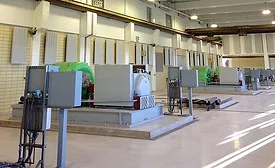
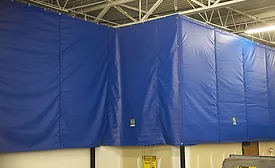
Industrial plants are known for being loud, acoustically-harsh environments. The combination of high ceilings, reflective surfaces and heavy machinery din creates an environment for reverberation and noise. Such conditions can decrease productivity and increase health and safety hazards.
Prevention is a key factor for any organization seeking continual improvement in its occupational health and safety performance. In the hierarchy of controls, elimination of the hazard comes first, and the last line of defence is proper use of personal protective equipment (PPE).
Wellness is defined as “the condition of good physical, mental and emotional health, especially when maintained by an appropriate diet, exercise, and other lifestyle modifications.” Companies are turning to preventative programs to reduce workplace injuries.
Despite all our best efforts and often those of the employees we train and advise - people have a problem with safety. It can be a hard topic to bring to life, and there’s a fine line between honesty and being accused of scaremongering.
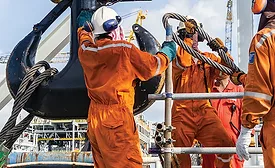
Dropped tools and equipment are some of the deadliest hazards from working at height that often go overlooked. New developments and standards are bringing more focus to this hazard in general, but is your company maximizing the benefits of a dropped objects program?
The first 10 to 15 seconds after exposure to a hazardous substance, especially a corrosive substance, are critical. Delaying treatment for even a few seconds may cause serious, permanent injury.
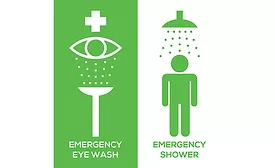
For chemical exposures and splashes, you need more protection than the use of goggles, face shields and other PPE. Showers and eyewashes are a necessary backup in an emergency to minimize effects of chemical contamination.
For guidance, use the American National Standards Institute (ANSI) / International Safety Equipment Association (ISEA) Z358.1-2014 emergency equipment standard.
Loud noises such as a backing semi-trailer or a fire alarm alert workers of impending danger. However, loud noises themselves can be dangerous, causing a host of immediate and long-term problems for employees and operations.
ANSI/ISEA 138 is a work in progress. The second consensus ballot/public review draft was released in October, 2018.
February 7, 2019
There are 110,000 lost-time hand injuries annually. Hand injuries send more than one million workers to the emergency room each year. And 70 percent of workers who experience hand injuries are not wearing gloves.
In recent years, technology advancement has allowed manufacturers to create more sophisticated yarns that improve glove performance significantly. The level of cut protection can be increased by using high-performance materials, and by increasing a material's weight.
 RSS
RSS