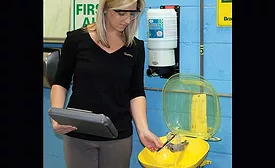
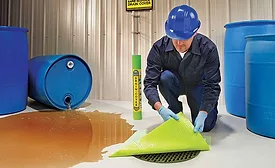
Safety managers know the importance of correctly using eyewashes and safety showers to flush hazardous substances from one's eyes, face or body. They also know the true test of any safety program hinges on the level of a facility's preparedness before an emergency strikes.
Creating a safe working environment for employees goes beyond training these days, relying on technology to fill in the gaps where human instinct might fail.
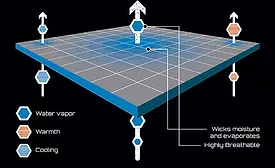
The world’s top athletes wear high-performance fabrics to optimize their competitiveness and have better concentration on the task in front of them. Can high performance FR fabrics help your employees be safer, more focused and achieve a better safety culture?
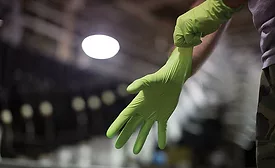
Industrial process environments where workers must wear PPE gloves are becoming increasingly controlled. While protecting the wearer from chemical exposure, gloves for cleanrooms must not introduce any contaminants into the space.
While increasing profits and lowering costs are still primary business goals; history and research have shown it is less expensive to support incentive programs that promote safety education and compliance than it is to dismiss them.
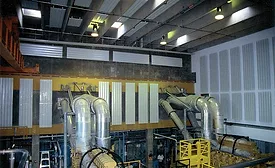
Industrial plants are known for being loud, acoustically-harsh environments. The combination of high ceilings, reflective surfaces and the din from heavy machinery creates an optimal environment for reverberation and noise.
Organizations today are under ever-increasing pressure to perform faster and smarter, keep up with the pace of technology, ensure compliance with government regulations, and protect the safety of their workers.
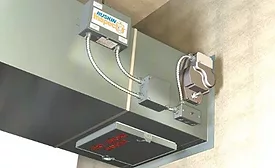
A fire damper is a device installed in ducts and air transfer openings of an air distribution or smoke control system that is designed to close automatically upon detection of heat.
Everyone is exposed to radiation every day and sources of radiation often surround us. Some are natural and some are man-made, but we can’t see or feel radiation’s presence.
 RSS
RSS