It is often said that the U.S. and the U.K. are two nations divided by a common language. For example, Americans name the people who investigate occupational exposure and control methods industrial hygienists, whereas we Brits use occupational hygienists. But where noise is concerned, we definitely have agreement on the causal relationship between exposure and hearing loss, which has been observed anecdotally for centuries.
In addition to traditional commercial new product development, there is growing involvement by government agencies and the military to help stimulate and support research to bring better tools to practitioners entrusted with worker safety and health outcomes.
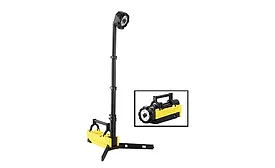
From flashlights that perform like floodlights, to USB rechargeable lights that can be charged on the go, to safety-rated lights that protect workers in all types of hazardous environments, today’s professional grade flashlight products have come a long way.
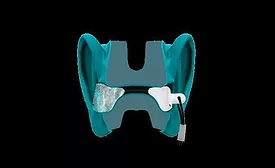
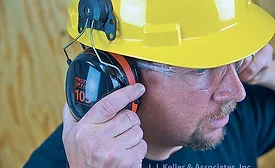
When your workplace is noisy, your first reaction is to have affected employees wear hearing protection devices (HPDs). But you need details on each employee’s exposure and the effectiveness of the HPD you provide before you can know for certain that each worker is protected.
Given the eyes’ complexity, size and location, they are extremely vulnerable to injury – from flying or falling objects in the yard, sand and dust particles, chemicals and vapors from household cleaning products and even ultraviolet light. And in many workplaces eye hazards are abundant.
Amid the discussion about the types of safety incentive programs that are most effective, it is clear that safety incentive program recipients, much like other incentive program recipients, are leaning more and more favorably toward receiving gift cards as their preferred reward for safe behavior in the workplace.
Tired feet in and of itself is not a medical condition, though it can lead to medical problems. This article focuses the role proper industrial footwear plays in reducing the hurt of tired or fatigued feet.
Fortunately, while no regulations or laws require them to do so, top-tier protective glove manufacturers provide comprehensive instruction and training in those how-to disciplines as a matter of course.
The agenda will highlight marketing techniques, developing impact standards, economic outlook, glove education and market analysis and data. To register, visit www.iga-online.com/ or call (814) 328-5208
 RSS
RSS