If your business requires more skill than laborers off the street, it costs money to find and train the right employees. To keep the talent you have found and developed, you must maintain a civil workplace. Bullies chase away talent.
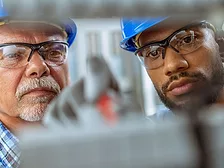
Of all areas of the body, the eyes are among the most exposed to hazards on a daily basis. It takes only a single speck of flying debris to cause serious damage to an eye.
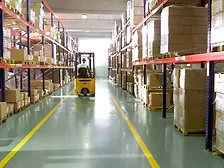
Not only does OSHA have regulations for the forklifts themselves, they also have specific requirements for forklift operators. The Powered Industrial Truck Standard outlines the topics that must be included during training, as well as requirements for refresher trainings.
High-reliability organizations are those whose leaders strive to create the safest and most effective hazard controls and then constantly re-assess these operations for any possibility of failure so that it can be resolved before an incident occurs.
A priority changes with circumstances. A value remains constant, regardless of circumstances. Safety is a value. If integrated into the process, procedures, and practices, safety will not be the first to go when budgets are cut or when time pressures push for compromise.
Although workplace incident rates have steadily declined by 28% over the last decade, rates for serious injuries and fatalities (SIFs) have remained virtually unchanged.
Health, safety, and environment (HSE) regulations and standards require taking an integrated approach to reducing risks that could put people or the planet in danger.
Make sure you protect your organization when implementing technology that collects data from your workers. Data security is imperative, now more than ever.
For two centuries, workers in every industry and from every background have collectivized in order to secure safe and healthy working conditions. Huge leaps have been made in that time, but because around 15 people per day died on job sites in the U.S. in 2019, there is still much work to be done.
 RSS
RSS