Understanding macroeconomics is helpful as you advance in your OHS career. Macroeconomics is the big picture evaluation of how an economy works based upon numerous influences at the local, regional, and global levels.
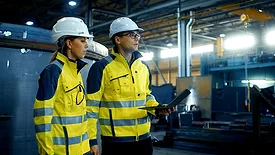
We are often asked about what advice we would have for other women in manufacturing. At first, it was a difficult question for us to answer because we did not particularly focus on being women – we just were people working hard at doing the jobs we were engaged in.
For those many people who work alone outdoors during the winter months, the conditions in which they perform their various tasks are obviously more dangerous with increased risk of certain, potentially deadly safety hazards in the workplace.
OSHA announced the availability of $3.2 million in funds from the American Rescue Plan Act of 2021 for Susan Harwood Workplace Safety and Health Training on Infectious Diseases, Including COVID-19 grants.
As expert panels around the world got together to discuss what they think are reliable leading indicators, an unexpected result surfaced during the discussions.
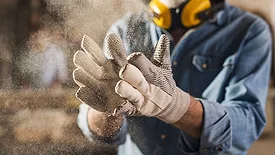
Safety gloves provide a layer of protection for your hands and shield them from different types of hazards on the job, including cuts, scratches, punctures, and burns. It’s important to replace your gloves as needed.
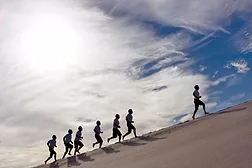
There are many parallels between exceptional safety leadership and sports. It takes proper planning and execution to be a consistent winner. Great leadership is great leadership, regardless of the context. Here are some lessons learned from the sports world to improve your own safety leadership.
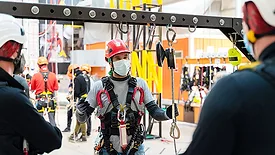
Business inflection points are key events offering significant opportunities for change. Our actions at those times determine whether the opportunity is squandered or capitalized. The onboarding process for new plant workers is one moment that determines how a business is perceived and the safety culture imbuing an organization.
Hypothermia is a condition caused by a general cooling of the body which drops a person’s internal core temperature below 98.6 degrees F. Most of us have experienced at least mild hypothermia when the body core temperature reaches 95 degrees F, which causes the body to shiver in efforts to generate more internal heat.
 RSS
RSS