In this article, we'll explore the intricacies of ergonomic hazards, from physical ailments like muscle strains and carpal tunnel syndrome to the broader implications they have in the workplace. We'll also explore OSHA's national emphasis program and uncover practical, impactful solutions that can be implemented across various work environments.
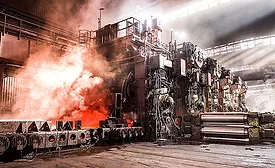
When you hear about large-scale combustion explosions and loss of human life, you wonder how this tragedy could happen. And, yet, the No. 1 cause of industrial fuel and combustion system explosions is human error.
In this series, the concept of and need for whistleblowers will be explored along with historical and present-day cases. In this part one, the concept of whistleblowers, OSHA’s language regarding them and types of whistleblower reports are explored.
My first recollection of the harm a dropped object can cause was in my youth when touring the Empire State Building in New York City. I remember over-hearing, “If you drop a penny or pen from the Empire State Building and it lands on someone, it could kill them.” You may have heard this anecdote too.
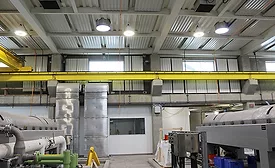
The Orange County Sanitation District in Huntington Beach, California provides wastewater collection, treatment, and disposal services for approximately 2.6 million people. They had a combination of loud industrial equipment, cavernous space, and highly reflective surfaces creating an acoustic nightmare.
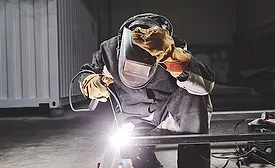
Dust particles become airborne during indoor metalworking processes like welding and plasma cutting. They also become airborne during the manufacturing and processing of food, chemicals, pharmaceuticals and other dry products.
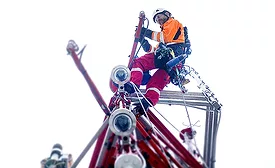
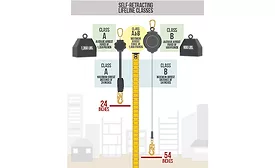
Nearly eight years ago, in its Z359.14 Safety Requirements for Self-Retracting Devices standard, ANSI divided self-retracting lifelines (SRLs) into two classes, Class A and Class B. Although it’s been close to a decade, there is still some misunderstanding as to what these classes mean.
“What are you going to do for an 18- to 23-year-old who yesterday worked at Wendy’s and today will be walking into a high-risk work environment?” asked Mike Deetsch. Mike is the director of education and engagement for the Toledo Museum of Art.