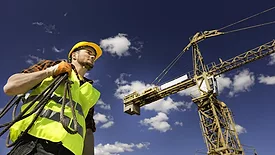
Virginia Transformer Corp. exposed employees to hazards similar to those identified during two 2024 inspections involving cranes used to handle heavy loads with faulty brakes and switches.
Even experienced operators and safety managers can make mistakes or forget key preventive measures. Here is an essential crane safety checklist to run through before your next project.
Learn about the risks posed by harsh weather conditions as well as a few essential guidelines for safely operating overhead cranes when the weather turns.
Construction involves many hazardous operations. Crane lifts are particularly concerning, as they present risks from heavy machinery, heights and heavy loads all at once. New 3D lift planning technology can minimize these dangers.
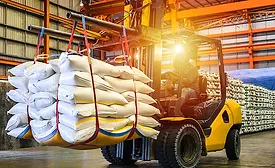
Material handling consists of the moving, handling, and storing of materials in a facility using manual force, employee-operated equipment (forklifts), and automated equipment (conveyors). The handling and storing of materials inside a facility includes activities like:
A crane collapse that caused injuries in New York City last summer has resulted in citations against a Missouri-based contractor.
Three construction workers were injured – one critically - when an unsecured mini-crane overturned and fell four stories from an East Harlem worksite on June 25, 2018. The injured included the worker who fell with the crane.
A man is in custody after driving a crane drunk down the Long Island Expressway (LIE) on the evening of July 11.
Forty-seven-year-old Brian Sinclair drove a 2000 Liebherr mobile crane drunk for nine miles on the eastbound side of the LIE, starting at the Ronkonkoma entrance at around 6 p.m. The equipment had logos for Bay Crane in Long Island City, N.Y., on the back and the sides.
Florida’s construction cranes weathered Hurricane Irma better than expected, although three massive cranes did collapse in the southern part of the state after being battered by 120 mph winds and heavy rain. There were no injuries reported from the crane incidents.
OSHA has announced a new enforcement policy that excludes monorail hoists from the requirements of Subpart CC – Cranes and Derricks in Construction, as long as employers meet other OSHA requirements.