ISHN logo
search
cart
facebook twitter linkedin youtube
  • Sign In
  • Create Account
  • Sign Out
  • My Account
ISHN logo
  • NEWS
    • Today's News
    • Global Safety News
    • Government Regulations
  • PRODUCTS
    • Product Innovations
    • Featured Products
  • TOPICS
    • Environmental Health and Safety
    • Facility Safety
    • Workplace Health
    • Occupational Safety
    • PPE
    • More Topics
  • CONSTRUCTION
  • TECHNOLOGY
  • COLUMNS
    • Best Practices
    • Dave Johnson: What’s going on
    • Editorial Comments
    • Leading Safety
  • MULTIMEDIA
    • ISHN Podcast
    • Videos
    • Cold Stress Education Quiz
    • Webinars
    • White Papers
  • MORE
    • Buyer's Guide
    • Newsletters
    • Convention Companion
    • Polls
    • Events
    • ISHN Store
    • Sponsor Insights
  • EMAGAZINE
    • eMagazine
    • Archived Issues
    • Contact
    • Advertise
  • JOIN TODAY!
Government Safety RegulationsOccupational SafetyFacility Safety

Working around wires: 3 safety standards to know
By Devin Partida
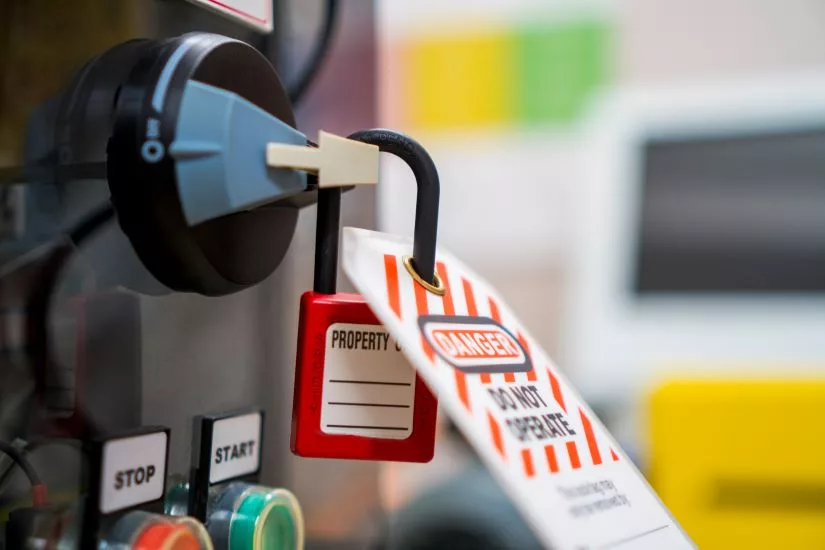
Electrical safety lockout tagout
October 22, 2020

Electrical wires pose hazards for people working on or around them. Fortunately, there are numerous safety standards in place. They reduce accidents and ensure that workplaces follow the rules to keep sites free from preventable dangers. 

1. 1910.137(b)(2)

This is a standard from the Occupational Safety and Health Administration (OSHA) concerning the protective equipment for people working around wires. It requires regular testing for the gloves and sleeves worn as insulating gear.

The standard requires performing electrical tests on the items as often as monthly during regular use. Furthermore, these formal examinations must occur at least every year for sleeves and every six months for gloves.

Similarly, air tests should occur daily to check for abnormalities like holes, cuts or tears. These checks must also happen immediately after any events that the wearer or an employer believes caused possible damage.

Employers can encourage individual compliance by training users on how to examine their insulating sleeves and gloves. They could also set up a companywide reminder system so all gear of this type gets tested on the same day or during the same week at the specified periods.

2. 1926.431

Statistics indicate that preventive maintenance can stop more than 65% of system-induced outages. Keeping electrical equipment functioning correctly involves scheduling professional checks to identify minor issues that could become major problems. However, all workers play roles in carrying out these actions.

The OSHA standard titled 1926.431 relates to the construction sector. It requires employers to keep all wiring components and utilization equipment in hazardous locations maintained in an explosion-proof condition. It must prevent dust-ignition events from causing dangers in the surrounding environment.

Moreover, this standard requires addressing loose or missing screws, poor seals, threaded connections, or any other abnormalities that prevent the accompanying covers' necessary tightness.

Employers can abide by this standard by setting up a reporting system that workers can use to alert supervisors to any problems they find. Additionally, after supervisors become aware of these issues, they should stop using the affected wiring until resolution occurs.

3. 1926.416(a)(3)

The stipulations in this OSHA standard relate to employers needing to locate all energized power circuits before any work happens that brings a person or object in contact with it. This standard concerns both concealed and exposed circuits.

Employers can find circuits through personal observations, specialized instruments, or through parties that know each one's placement. Next, the company must proactively inform and warn people about circuit locations and how they affect their work.

For example, posting warning signs at each circuit's location is one requirement. However, employers must go further by informing workers of all line locations, the associated hazards and the wire safety measures to follow.

Company leaders can insist that verifying energized circuits' locations becomes a required part of all site inspections occurring before work begins. Such a requirement is likely already in place at many sites where electrical work happens, so abiding by this standard may not require a change in behavior.

However, the people who oversee training at workplaces may need to revisit current educational approaches and ensure they adequately cover the specific electrical hazards associated with different jobs and types of work. Treating safety training as a crucial part of every task keeps accident rates down and helps people uphold a culture of safe work practices.

Understanding the obligations

These OSHA standards are three examples of the requirements that support electrical safety on job sites. Anyone responsible for overseeing safe work practices should not stop at learning them, however.

Specific rules exist for wire safety and almost every other workplace concern imaginable, but they don't pertain to every sector or job type.

Knowing what regulators require helps companies avoid penalties, including substantial fines. Additionally, a commitment to following the standards reduces the likelihood of circumstances that could cause accidents and fatalities.

It's impossible to eliminate the dangers of working with electricity. However, knowing the standards and following them are two things companies can do to keep employees as safe as possible.

KEYWORDS: electrical safety OSHA standards

Share This Story

Looking for a reprint of this article?
From high-res PDFs to custom plaques, order your copy today!

Devin Partida is an industrial tech writer and the Editor-in-Chief of ReHack.com, a digital magazine for all things technology, big data, cryptocurrency and more. To read more from Devin, please check out the site.

Recommended Content

JOIN TODAY
to unlock your recommendations.

Already have an account? Sign In

  • forklift safety

    Exploring the latest technologies in forklift safety

    With more staff and more stock in warehousing now more...
    Workplace Training Strategies
    By: Josh Cramer
  • welding

    All about welder’s flash or arc eye

    A flash burn is a painful inflammation of the cornea,...
    Environmental Health and Safety
  • dangerous jobs

    The 10 most dangerous jobs in the U.S.

    On-the-job deaths have been rising — hitting the highest...
    Construction Industry Safety and Health
    By: Benita Mehta
Manage My Account
  • eMagazine Subscriptions
  • ISHN Newsletter & Other Newsletter Alerts
  • Online Registration
  • Manage My Preferences
  • Subscription Customer Service

More Videos

Sponsored Content

Sponsored Content is a special paid section where industry companies provide high quality, objective, non-commercial content around topics of interest to the ISHN audience. All Sponsored Content is supplied by the advertising company and any opinions expressed in this article are those of the author and not necessarily reflect the views of ISHN or its parent company, BNP Media. Interested in participating in our Sponsored Content section? Contact your local rep!

close
  • man wearing the the Sundström SR200 Full Face Mask Respirator
    Sponsored byOHD

    5 Fit Testing Mistakes That Could Cost You

  • This image shows Magid AcuSpex polarized blue mirrored safety glasses.
    Sponsored byMagid Glove and Safety

    Construction PPE Guide: What Crews Need for Each Task

  • lone worker in confined space
    Sponsored byAlphasense Ltd.

    GET THE LEAD OUT of your Safety Oxygen Sensors!

Popular Stories

SpaceX 7 launch

OSHA Investigating Fatal Fall at SpaceX Starbase

Worker Impairment

How to Tell When a Co-Worker is Impaired? A Safety Pro’s Challenge

Automated loading dock equipment

After March 2026 Rivian Death, Safety Managers Reassess Loading Dock Systems Under OSHA's Warehouse Emphasis Program

top 10 most dangerous jobs

Poll

Seasonal Readiness

With the federal heat stress prevention rule on the horizon, which area of your safety program needs the most attention?
View Results Poll Archive

Products

Surviving an OSHA Audit A Management Guide, 2nd Edition

Surviving an OSHA Audit A Management Guide, 2nd Edition

See More Products

ISHN Podcasts

Related Articles

  • Reopening businesses COVID-19

    OSHA and other COVID-19 reopening standards to know

    See More
  • North Carolina contractor's disregard of safety standards leads to fatal trench collapse

    See More
  • OSHA: Nebraska beef processor ignored safety standards, leading to amputation

    See More

Related Products

See More Products
  • 111885960X.jpg

    Professional Rope Access: A Guide To Working Safely at Height

See More Products

Related Directories

  • Magid Glove and Safety

    As your true partner in safety, our mission is to provide the expertise and revolutionary innovations in PPE that help you keep your workers safe. The relationships we build with our customers drive everything we do as we get to know you and your unique needs. Our skilled manufacturing provides the latest innovations and technologies in PPE that you can’t get anywhere else. Our worldwide network of suppliers gives you access to the top brands in safety. We have everything you need to increase safety, reduce spend, and supercharge your workers! Since 1946, fourth generation and family-owned, safety isn't just a job, it's our legacy.
×

Become a Leader in Safety Culture

Build your knowledge with ISHN, covering key safety, health and industrial hygiene news, products, and trends.

JOIN TODAY
  • RESOURCES
    • Advertise
    • Contact Us
    • Directories
    • Manufacturing Division
    • Store
    • Want More
  • SIGN UP TODAY
    • Create Account
    • eMagazine
    • Newsletters
    • Customer Service
    • Manage Preferences
  • SERVICES
    • Marketing Services
    • Reprints
    • Market Research
    • List Rental
    • Survey/Respondent Access
  • STAY CONNECTED
    • LinkedIn
    • Facebook
    • YouTube
    • X (Twitter)
  • PRIVACY
    • PRIVACY POLICY
    • TERMS & CONDITIONS
    • DO NOT SELL MY PERSONAL INFORMATION
    • PRIVACY REQUEST
    • ACCESSIBILITY

Copyright ©2026. All Rights Reserved BNP Media, Inc. and BNP Media II, LLC.

Design, CMS, Hosting & Web Development :: ePublishing