ISHN logo
search
cart
facebook twitter linkedin youtube
  • Sign In
  • Create Account
  • Sign Out
  • My Account
ISHN logo
  • NEWS
    • Today's News
    • Global Safety News
    • Government Regulations
  • PRODUCTS
    • Product Innovations
    • Featured Products
  • TOPICS
    • Environmental Health and Safety
    • Facility Safety
    • Workplace Health
    • Occupational Safety
    • PPE
    • More Topics
  • CONSTRUCTION
  • TECHNOLOGY
  • COLUMNS
    • Best Practices
    • Dave Johnson: What’s going on
    • Editorial Comments
    • Leading Safety
  • MULTIMEDIA
    • ISHN Podcast
    • Videos
    • Cold Stress Education Quiz
    • Webinars
    • White Papers
  • MORE
    • Buyer's Guide
    • Newsletters
    • Convention Companion
    • Polls
    • Events
    • ISHN Store
    • Sponsor Insights
  • EMAGAZINE
    • eMagazine
    • Archived Issues
    • Contact
    • Advertise
  • JOIN TODAY!
Today's Safety NewsWorkplace Safety CultureWorkplace Training Strategies

3 ways PPE use improves with human factors training

April 14, 2015

PPEPPE compliance is a major concern for safety professionals. Despite new PPE developments that offer reduced weight and improved comfort and style, there are few new solutions that directly address an employee’s decision to wear PPE.

If you want to achieve real improvements in the use of PPE then you need to target what causes workers to forgo wearing it in the first place: human factors. Human factors training can reduce human error, which will make employees more likely to wear protective equipment, and provide other benefits to help you get the most from your PPE program.

Improve PPE use

When it comes to PPE compliance, the primary—and most obvious—benefit of human factors training is that employees become more likely to use protective devices. A lack of PPE use is usually caused by employees taking safety shortcuts or “forgetting.” Human factors training gives employees the skills and personal awareness to make better safety decisions, and helps them build stronger safety habits so they’re more likely to wear PPE when it is needed.

Avoid reliance on PPE

PPE protects people when they come into contact with hazardous energy, and in a complete safety program it’s the last line of defense. Human factors training can not only positively influence employees’ decisions to wear PPE, but it also helps people avoid making errors that put them at risk of hazardous energy. As a result, employees are less likely to need PPE, even as they get in the habit of wearing it more often, doubling the benefit of human factors training.

Create stronger safety culture

Safety is contagious. Once employees start following a few safety procedures they’re more likely to follow other ones too. Companies can see a tremendous spill-over effect in all areas of safety simply by boosting PPE use through human factors training.

PPE use can act as what Charles Duhigg, author of The Power of Habit, calls a “keystone habit.” Improved PPE use is often a guiding force that gets people in the habit of thinking about safety in all aspects of their life, keeping them safer at home, on the road and in other aspects of their job that may not expressly require PPE.

If you’ve taken the required steps to meet PPE regulations but employees are still working without the proper PPE, consider implementing human factors training to improve PPE use, reduce errors and build an enviable safety culture.

KEYWORDS: protective equipment

Share This Story

Looking for a reprint of this article?
From high-res PDFs to custom plaques, order your copy today!

Recommended Content

JOIN TODAY
to unlock your recommendations.

Already have an account? Sign In

  • forklift safety

    Exploring the latest technologies in forklift safety

    With more staff and more stock in warehousing now more...
    Workplace Training Strategies
    By: Josh Cramer
  • welding

    All about welder’s flash or arc eye

    A flash burn is a painful inflammation of the cornea,...
    Environmental Health and Safety
  • dangerous jobs

    The 10 most dangerous jobs in the U.S.

    On-the-job deaths have been rising — hitting the highest...
    Construction Industry Safety and Health
    By: Benita Mehta
Manage My Account
  • eMagazine Subscriptions
  • ISHN Newsletter & Other Newsletter Alerts
  • Online Registration
  • Manage My Preferences
  • Subscription Customer Service

More Videos

Sponsored Content

Sponsored Content is a special paid section where industry companies provide high quality, objective, non-commercial content around topics of interest to the ISHN audience. All Sponsored Content is supplied by the advertising company and any opinions expressed in this article are those of the author and not necessarily reflect the views of ISHN or its parent company, BNP Media. Interested in participating in our Sponsored Content section? Contact your local rep!

close
  • man wearing the the Sundström SR200 Full Face Mask Respirator
    Sponsored byOHD

    5 Fit Testing Mistakes That Could Cost You

  • This image shows Magid AcuSpex polarized blue mirrored safety glasses.
    Sponsored byMagid Glove and Safety

    Construction PPE Guide: What Crews Need for Each Task

  • lone worker in confined space
    Sponsored byAlphasense Ltd.

    GET THE LEAD OUT of your Safety Oxygen Sensors!

Popular Stories

SpaceX 7 launch

OSHA Investigating Fatal Fall at SpaceX Starbase

Worker Impairment

How to Tell When a Co-Worker is Impaired? A Safety Pro’s Challenge

Automated loading dock equipment

After March 2026 Rivian Death, Safety Managers Reassess Loading Dock Systems Under OSHA's Warehouse Emphasis Program

top 10 most dangerous jobs

Poll

Seasonal Readiness

With the federal heat stress prevention rule on the horizon, which area of your safety program needs the most attention?
View Results Poll Archive

Products

Surviving an OSHA Audit A Management Guide, 2nd Edition

Surviving an OSHA Audit A Management Guide, 2nd Edition

See More Products

ISHN Podcasts

Related Articles

  • How to tell when your organization is ready for human factors training

    See More
  • SafeStart

    SafeStart Human Factors Conference announced

    See More
  • Focus on organizational and human factors impacting risk

    See More

Related Products

See More Products
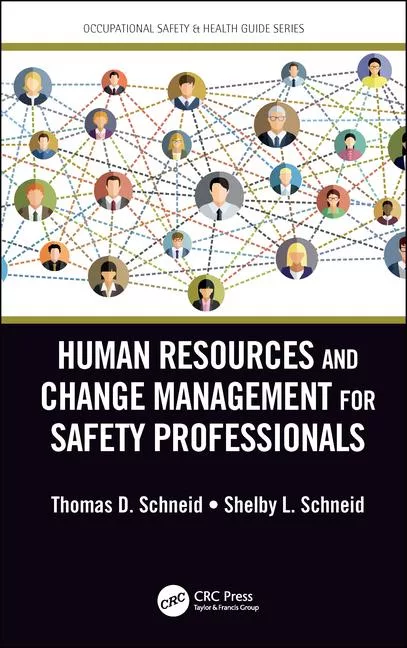
  • human resources.jpg

    Human Resources and Change Management for Safety Professionals

See More Products
×

Become a Leader in Safety Culture

Build your knowledge with ISHN, covering key safety, health and industrial hygiene news, products, and trends.

JOIN TODAY
  • RESOURCES
    • Advertise
    • Contact Us
    • Directories
    • Manufacturing Division
    • Store
    • Want More
  • SIGN UP TODAY
    • Create Account
    • eMagazine
    • Newsletters
    • Customer Service
    • Manage Preferences
  • SERVICES
    • Marketing Services
    • Reprints
    • Market Research
    • List Rental
    • Survey/Respondent Access
  • STAY CONNECTED
    • LinkedIn
    • Facebook
    • YouTube
    • X (Twitter)
  • PRIVACY
    • PRIVACY POLICY
    • TERMS & CONDITIONS
    • DO NOT SELL MY PERSONAL INFORMATION
    • PRIVACY REQUEST
    • ACCESSIBILITY

Copyright ©2026. All Rights Reserved BNP Media, Inc. and BNP Media II, LLC.

Design, CMS, Hosting & Web Development :: ePublishing