ISHN logo
search
cart
facebook twitter linkedin youtube
  • Sign In
  • Create Account
  • Sign Out
  • My Account
ISHN logo
  • NEWS
    • Today's News
    • Global Safety News
    • Government Regulations
  • PRODUCTS
    • Product Innovations
    • Featured Products
  • TOPICS
    • Environmental Health and Safety
    • Facility Safety
    • Workplace Health
    • Occupational Safety
    • PPE
    • More Topics
  • CONSTRUCTION
  • TECHNOLOGY
  • COLUMNS
    • Best Practices
    • Dave Johnson: What’s going on
    • Editorial Comments
    • Leading Safety
  • MULTIMEDIA
    • ISHN Podcast
    • Videos
    • Cold Stress Education Quiz
    • Webinars
    • White Papers
  • MORE
    • Buyer's Guide
    • Newsletters
    • Convention Companion
    • Polls
    • Events
    • ISHN Store
    • Sponsor Insights
  • EMAGAZINE
    • eMagazine
    • Archived Issues
    • Contact
    • Advertise
  • JOIN TODAY!
PPE

Assessing levels of abrasion, cut, tear & puncture exposure

By Anthony di Giovanni
abrasion, cut, tear & puncture exposure
February 2, 2016

Risk is always present in a work environment. The challenge becomes understanding the risks and potential injuries, and ensuring proper protection is worn. With gloves, General Purpose or General Handling Gloves are often considered the solution because there is a need to be generally protected. But when you think about it, what is “General Protection?”

If the glove actually provides “General Protection,” the acceptable and quantifiable standard covers abrasion, cut, tear and puncture. As it stands, if the levels for these four characteristics are comparatively low, then the glove is relegated to the “General Purpose” or “General Handling” category. But when do you need a work glove with generally low protection?

Defining risk

Even when handling boxes, one is exposed to a risk of injury by a cut or abrasion. That said, we have to be careful about how we are defining risk, including not defining it only by the severity of the injury.

For example, when handling boxes (to stay with our example), the selection of General Purpose over Cut Resistant gloves can be the result of underestimating the risk of injury and the associated costs.

Let’s say the most reasonably severe injury one would incur handling boxes is an incision. Seemingly, a simple bandage solves this and the person can be back to work. But the fact is the real costs related to even a simple incision or abrasion wound are quite heavy. Take the cost of administrating first aid correctly: a visit to the company nurse, cleaning, sterilizing and bandaging the wound – you’re looking at about $50 to $60 in direct and indirect costs combined.

Indirect costs, such as lost time and production as a result of the worker addressing their wound, should not be overlooked -- it often has a greater impact on the company’s bottom line. The earnings to make up that cost are even more significant: $300 at five times earnings. Three or four of these per month, and the costs can mount quickly. But this is an example of a lower level hand injury. Per the Bureau of Labor Statistics (BLS), the average hand injury claim now exceeds $6,000. Unfortunately, when injuries happen, we can’t dictate how severe they will be, and the impacts go beyond economics.

The goal is prevention. Only gloves with cut protection can help avoid these potential injuries.

A common selection

Leather gloves have traditionally been thought of as a solution and are still widely used today. Other than the known fact that they are bulky and lack tactile sensitivity, they also offer a false sense of protection. That’s not to say they don’t protect at all – they do well to protect against abrasions, but they are comparatively susceptible to cuts. Leather is treated animal skin and sharp objects can slice it easily, depending on the thickness. In addition to lacking dexterity, leather gloves do not offer the grip of coated gloves. This lack of grip can lead to an increased risk for cut injuries.

Remember: cut injuries generally don’t occur from hands pressing against something. It’s usually an object moving across the hand that leads to a cut or laceration.

So what is the solution?

An obvious component

Gloves that are dexterous, coated for an enhanced grip, and made with materials that are inherently cut resistant are crucial. While cut resistance is an obvious component of elevated protection, the other two aspects should not be overlooked. A glove that lacks dexterity may be removed to perform certain tasks, which removes the worker’s protection. An enhanced grip makes it less likely something will slip out of or through the worker’s hands, which could cause a laceration. There are multiple variables to take into account for each job or task to ensure the overall protection meets the needs of the workers, as well as the demands of the work to be performed.

Lowering the price point

But aren’t these Cut Resistant gloves much more expensive than General Purpose gloves? Until most recently that was the case. However, advancements in engineered yarn technology are shifting this paradigm. Engineered yarns allow glove manufacturers to blend various fibers and materials of strength so cut resistance is elevated to higher cut protection levels. Affordable cut protection now can be provided for everyone, in every market.

Construction workers are most typically seen wearing those fabric/leather split palm gloves. Switching to coated seamless knits with engineered yarns enhance protection and allow them to more securely hold power tools as they handle sharp fasteners and sheet metal. Warehouse workers often wearing the economical General Purpose gloves can now feel more secure, even while handling those dangerous box cutters or razor sharp tape dispenser blades.

What’s important is that we change our perception of “General Protection” and how it’s achieved. Advances in technology will continue to provide enhanced performance and cost efficiency solutions to this persistent issue.

KEYWORDS: cut protection Hand Protection work gloves

Share This Story

Looking for a reprint of this article?
From high-res PDFs to custom plaques, order your copy today!

Anthony Di Giovanni is Vice President of Global Marketing for Protective Industrial Products, Inc. He has more than 25 years of international experience in sales and marketing of industrial and safety products within multinationals as well as his own consulting firm. e joined PIP in 2013.

Recommended Content

JOIN TODAY
to unlock your recommendations.

Already have an account? Sign In

  • forklift safety

    Exploring the latest technologies in forklift safety

    With more staff and more stock in warehousing now more...
    Workplace Training Strategies
    By: Josh Cramer
  • welding

    All about welder’s flash or arc eye

    A flash burn is a painful inflammation of the cornea,...
    Environmental Health and Safety
  • dangerous jobs

    The 10 most dangerous jobs in the U.S.

    On-the-job deaths have been rising — hitting the highest...
    Construction Industry Safety and Health
    By: Benita Mehta
Manage My Account
  • eMagazine Subscriptions
  • ISHN Newsletter & Other Newsletter Alerts
  • Online Registration
  • Manage My Preferences
  • Subscription Customer Service

More Videos

Sponsored Content

Sponsored Content is a special paid section where industry companies provide high quality, objective, non-commercial content around topics of interest to the ISHN audience. All Sponsored Content is supplied by the advertising company and any opinions expressed in this article are those of the author and not necessarily reflect the views of ISHN or its parent company, BNP Media. Interested in participating in our Sponsored Content section? Contact your local rep!

close
  • man wearing the the Sundström SR200 Full Face Mask Respirator
    Sponsored byOHD

    5 Fit Testing Mistakes That Could Cost You

  • This image shows Magid AcuSpex polarized blue mirrored safety glasses.
    Sponsored byMagid Glove and Safety

    Construction PPE Guide: What Crews Need for Each Task

  • lone worker in confined space
    Sponsored byAlphasense Ltd.

    GET THE LEAD OUT of your Safety Oxygen Sensors!

Popular Stories

SpaceX 7 launch

OSHA Investigating Fatal Fall at SpaceX Starbase

Worker Impairment

How to Tell When a Co-Worker is Impaired? A Safety Pro’s Challenge

Automated loading dock equipment

After March 2026 Rivian Death, Safety Managers Reassess Loading Dock Systems Under OSHA's Warehouse Emphasis Program

top 10 most dangerous jobs

Poll

Seasonal Readiness

With the federal heat stress prevention rule on the horizon, which area of your safety program needs the most attention?
View Results Poll Archive

Products

Surviving an OSHA Audit A Management Guide, 2nd Edition

Surviving an OSHA Audit A Management Guide, 2nd Edition

See More Products

ISHN Podcasts

Related Articles

  • abrasion, cut, tear & puncture exposure

    Assessing levels of abrasion, cut, tear & puncture exposure

    See More
  • Inspector with clipboard and hardhat image

    Consider personal perceptions and levels of transparency when assessing risk to improve safety

    See More
  • New levels of cut protection from Dyneema® partners at A+A

    See More

Related Products

See More Products
  • 1118911040.jpg

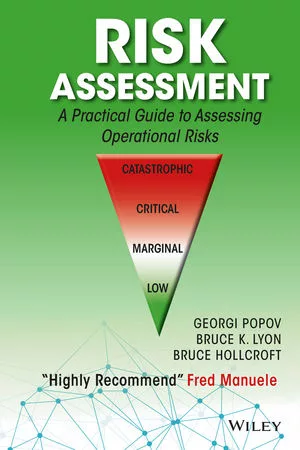
    Risk Assessment: A Practical Guide to Assessing Operational Risks

See More Products

Related Directories

  • ESAB Welding & Cutting

    At ESAB, we exist to shape the future of welding and cutting. We connect fabricators with the widest range of products and PPE under our industry-leading brand portfolio with the latest technologies to solve virtually any industry challenge — then we back it up with our knowledge, experience and passion to help them be more productive than ever before. To learn more, visit esab.com or call 1-800-ESAB-123.
×

Become a Leader in Safety Culture

Build your knowledge with ISHN, covering key safety, health and industrial hygiene news, products, and trends.

JOIN TODAY
  • RESOURCES
    • Advertise
    • Contact Us
    • Directories
    • Manufacturing Division
    • Store
    • Want More
  • SIGN UP TODAY
    • Create Account
    • eMagazine
    • Newsletters
    • Customer Service
    • Manage Preferences
  • SERVICES
    • Marketing Services
    • Reprints
    • Market Research
    • List Rental
    • Survey/Respondent Access
  • STAY CONNECTED
    • LinkedIn
    • Facebook
    • YouTube
    • X (Twitter)
  • PRIVACY
    • PRIVACY POLICY
    • TERMS & CONDITIONS
    • DO NOT SELL MY PERSONAL INFORMATION
    • PRIVACY REQUEST
    • ACCESSIBILITY

Copyright ©2026. All Rights Reserved BNP Media, Inc. and BNP Media II, LLC.

Design, CMS, Hosting & Web Development :: ePublishing