ISHN logo
search
cart
facebook twitter linkedin youtube
  • Sign In
  • Create Account
  • Sign Out
  • My Account
ISHN logo
  • NEWS
    • Today's News
    • Global Safety News
    • Government Regulations
  • PRODUCTS
    • Product Innovations
    • Featured Products
  • TOPICS
    • Environmental Health and Safety
    • Facility Safety
    • Workplace Health
    • Occupational Safety
    • PPE
    • More Topics
  • CONSTRUCTION
  • TECHNOLOGY
  • COLUMNS
    • Best Practices
    • Dave Johnson: What’s going on
    • Editorial Comments
    • Leading Safety
  • MULTIMEDIA
    • ISHN Podcast
    • Videos
    • Cold Stress Education Quiz
    • Webinars
    • White Papers
  • MORE
    • Buyer's Guide
    • Newsletters
    • Convention Companion
    • Polls
    • Events
    • ISHN Store
    • Sponsor Insights
  • EMAGAZINE
    • eMagazine
    • Archived Issues
    • Contact
    • Advertise
  • JOIN TODAY!
Today's Safety NewsOccupational Safety

Lightning strikes an overlooked occupational hazard

When thunder roars, go indoors!
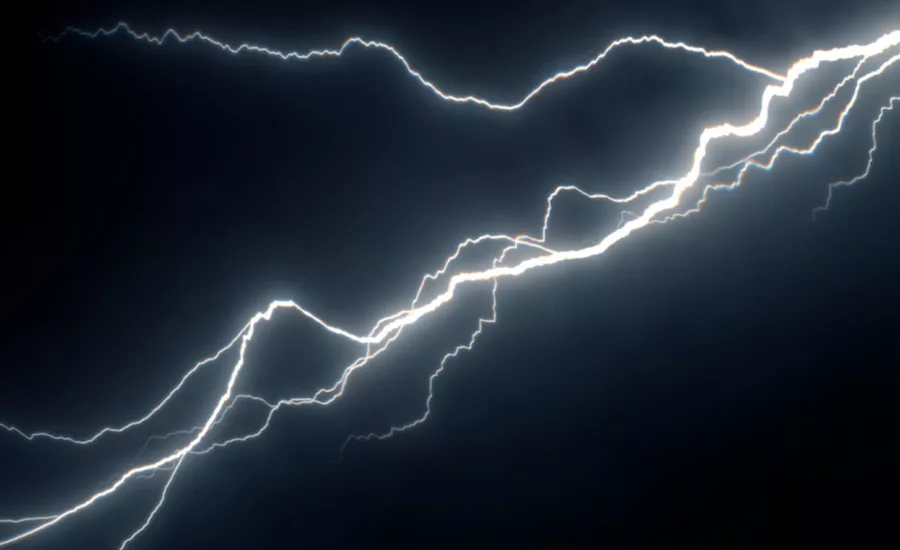
lightning
June 6, 2016

Heat gets plenty of attention as a danger for those who have to work outdoors – or indoors in certain types of facilities. However, lightning strikes can also severely injure and kill workers.

In the United States, cloud-to-ground lightning occurs 20 to 25 million times a year and more than 300 people are struck by lightning. During the past 30 years, about 50 people, on average, have been killed by lightning strikes every year, and many more suffer permanent disabilities.

OSHA and the National Oceanic and Atmospheric Administration (NOAA) are urging employers to take lightning seriously as a hazard. The have  issued a fact sheet, Lightning Safety When Working Outdoors, with recommendations that supervisors and workers at outdoor worksites should take.

At greatest risk: workers whose jobs involve working outdoors in open spaces, on or near tall objects, or near explosives or conductive materials (e.g., metal) have significant exposure to lightning risks.

Worker activities at higher risk for lightning hazards include:

  • Logging
  • Explosives handling or storage
  • Heavy equipment operation
  • Roofing
  • Construction (e.g., scaffolding)
  • Building maintenance
  • Power utility field repair
  • Steel erection/telecommunications Farming and field labor
  • Plumbing and pipe fitting
  • Lawn services/landscaping
  • Airport ground personnel operations
  • Pool and beach lifeguarding

It's unpredictable

Lightning is unpredictable and can strike outside the heaviest rainfall areas or even up to 10 miles from any rainfall. Many lightning victims are caught outside during a storm because they did not act promptly to get to a safe place, or they go back outside too soon after a storm has passed. If signs of approaching thunderstorms occur, workers should not begin any task they cannot quickly stop.

Thunderstorms always include lightning. Any thunder you hear is caused by lightning! NOAA advises that nowhere outside is safe when thunderstorms are in your area.

OSHA’s advice: When thunder roars, go indoors! If you hear thunder, even a distant rumble, get to a safe place immediately.

Click here for the fact sheet, Lightning Safety When Working Outdoors.

KEYWORDS: extreme weather outdoor worker safety

Share This Story

Looking for a reprint of this article?
From high-res PDFs to custom plaques, order your copy today!

Recommended Content

JOIN TODAY
to unlock your recommendations.

Already have an account? Sign In

  • forklift safety

    Exploring the latest technologies in forklift safety

    With more staff and more stock in warehousing now more...
    Workplace Training Strategies
    By: Josh Cramer
  • welding

    All about welder’s flash or arc eye

    A flash burn is a painful inflammation of the cornea,...
    Environmental Health and Safety
  • dangerous jobs

    The 10 most dangerous jobs in the U.S.

    On-the-job deaths have been rising — hitting the highest...
    Transportation Safety
    By: Benita Mehta
Manage My Account
  • eMagazine Subscriptions
  • ISHN Newsletter & Other Newsletter Alerts
  • Online Registration
  • Manage My Preferences
  • Subscription Customer Service

More Videos

Sponsored Content

Sponsored Content is a special paid section where industry companies provide high quality, objective, non-commercial content around topics of interest to the ISHN audience. All Sponsored Content is supplied by the advertising company and any opinions expressed in this article are those of the author and not necessarily reflect the views of ISHN or its parent company, BNP Media. Interested in participating in our Sponsored Content section? Contact your local rep!

close
  • man wearing the the Sundström SR200 Full Face Mask Respirator
    Sponsored byOHD

    5 Fit Testing Mistakes That Could Cost You

  • This image shows Magid AcuSpex polarized blue mirrored safety glasses.
    Sponsored byMagid Glove and Safety

    Construction PPE Guide: What Crews Need for Each Task

  • lone worker in confined space
    Sponsored byAlphasense Ltd.

    GET THE LEAD OUT of your Safety Oxygen Sensors!

Popular Stories

SpaceX 7 launch

OSHA Investigating Fatal Fall at SpaceX Starbase

Worker Impairment

How to Tell When a Co-Worker is Impaired? A Safety Pro’s Challenge

Automated loading dock equipment

After March 2026 Rivian Death, Safety Managers Reassess Loading Dock Systems Under OSHA's Warehouse Emphasis Program

top 10 most dangerous jobs

Poll

Seasonal Readiness

With the federal heat stress prevention rule on the horizon, which area of your safety program needs the most attention?
View Results Poll Archive

Products

Surviving an OSHA Audit A Management Guide, 2nd Edition

Surviving an OSHA Audit A Management Guide, 2nd Edition

See More Products

ISHN Podcasts

Related Articles

  • Occupational hazard in space: headaches

    See More
  • Are low wages an occupational health hazard?

    See More
  • lightning

    Worker killed by lightning; employer cited by OSHA

    See More

Related Products

See More Products
  • 0470074841.jpg

    Patty's Industrial Hygiene, Volume 1, Hazard Recognition , 6th Edition

  • 1119010160.jpg

    Guidelines for Combustible Dust Hazard Analysis

See More Products

Related Directories

  • e-Hazard

    E-Hazard is dedicated to building an electrical safety culture with you. Our electrical engineering services and training will prepare your team for any electrical safety needs or concerns. E-Hazard can help with electrical training, arc flash studies, electrical audits, electrical safety programs, LOTO, infrared scanning, NFPA 70B, consulting and much more.
×

Become a Leader in Safety Culture

Build your knowledge with ISHN, covering key safety, health and industrial hygiene news, products, and trends.

JOIN TODAY
  • RESOURCES
    • Advertise
    • Contact Us
    • Directories
    • Manufacturing Division
    • Store
    • Want More
  • SIGN UP TODAY
    • Create Account
    • eMagazine
    • Newsletters
    • Customer Service
    • Manage Preferences
  • SERVICES
    • Marketing Services
    • Reprints
    • Market Research
    • List Rental
    • Survey/Respondent Access
  • STAY CONNECTED
    • LinkedIn
    • Facebook
    • YouTube
    • X (Twitter)
  • PRIVACY
    • PRIVACY POLICY
    • TERMS & CONDITIONS
    • DO NOT SELL MY PERSONAL INFORMATION
    • PRIVACY REQUEST
    • ACCESSIBILITY

Copyright ©2026. All Rights Reserved BNP Media, Inc. and BNP Media II, LLC.

Design, CMS, Hosting & Web Development :: ePublishing