ISHN logo
search
cart
facebook twitter linkedin youtube
  • Sign In
  • Create Account
  • Sign Out
  • My Account
ISHN logo
  • NEWS
    • Today's News
    • Global Safety News
    • Government Regulations
  • PRODUCTS
    • Product Innovations
    • Featured Products
  • TOPICS
    • Environmental Health and Safety
    • Facility Safety
    • Workplace Health
    • Occupational Safety
    • PPE
    • More Topics
  • CONSTRUCTION
  • TECHNOLOGY
  • COLUMNS
    • Best Practices
    • Dave Johnson: What’s going on
    • Editorial Comments
    • Leading Safety
  • MULTIMEDIA
    • ISHN Podcast
    • Videos
    • Cold Stress Education Quiz
    • Webinars
    • White Papers
  • MORE
    • Buyer's Guide
    • Newsletters
    • Convention Companion
    • Polls
    • Events
    • ISHN Store
    • Sponsor Insights
  • EMAGAZINE
    • eMagazine
    • Archived Issues
    • Contact
    • Advertise
  • JOIN TODAY!
Today's Safety NewsEnvironmental Health and SafetyColumnsSafety Industry White PapersWorkplace Training Strategies

How experienced workers underestimate risk

By Dr. John Kello
Experienced workers underestimate risk
March 1, 2017

One of the real head-scratchers in the realm of workplace safety is the reality that such a large percentage of accidents, especially serious ones, happen to experienced workers. Common sense would dictate that newer, younger, less trained workers would make the most mistakes leading to injury.

It has become widely accepted that complacency is a major challenge for the old hand, especially on a more or less routine task. Unplug the brain, zone out, rely on habit to get it done. “I’ve done this job thousands of times… I could do it in my sleep... nothing to worry about.” Such reduced vigilance and mindfulness is indeed a major challenge to safe work, especially in the experienced. The problem is compounded by some common habits of mind that encourage us to feel safer than we actually are in hazardous situations.

Irrational decisions

The developing field of “behavioral economics,” drawing on research going back as far as the 1960s, has shown and continues to show that our decision-making processes are in fact strongly influenced by a variety of biases that cause us to behave… well, irrationally.

Say you walk up to a roulette table in Vegas, and note that the ball has landed on a red number the last five times in a row. Time to place a load of chips on black… right? The strong, sometimes overwhelming sense that it’s got to be black is fallacious. It is in fact known as “the gambler’s fallacy.” Like the flip of a coin, the red-or-black outcomes are independent events, equally likely each time (setting aside for a moment the pesky 0 or 00 options, which help the house stay profitable). The likelihood of the next outcome being black is exactly the same as the likelihood of the next outcome being red, even if the previous 10 or 20 (or more) outcomes have been red.

Say you drove to Vegas from Los Angeles. That trip was much safer than if you flew… right? It certainly feels that way. Well, statistically speaking, no. The odds of dying in a plane crash (especially a domestic commercial carrier… the numbers get funky if we include small private planes and third-world airlines) are vastly less than the odds of dying in a car crash, even if we equate the number of miles covered. 

It may be the very rarity of the event (plane crash compared to fatal car crash) and the associated vividness of the news coverage that makes a plane crash so much more salient and memorable than a car crash. It may be the perceived control in the car vs. lack of control as the airline passenger. But whatever the cause, our brain confidently tells us to worry about the one and not the other. 

The biased brain

The bottom line is, we are not “rational man.” Our intuitions and strong inclinations are often biased, to the point that they make us behave just the opposite of rational man. We know X, but we just feel Y.

In general, we are prone to consistently underestimate the risk to ourselves, no matter the situation. Some people smoke cigarettes, overindulge in alcohol, take dangerous and addictive drugs, even though they know the statistics. They take known risks, with the comforting self-serving delusion that it won’t happen to them.

Discounting the data

It’s that way with our safety in the workplace. We know that there have been injuries to workers in our industry, maybe in our company, doing the same work that we do. We know that injury rates in some industries (e.g., construction) are much higher than in others. We may even have had an accident ourselves. And we know that the data tell us that experienced workers on a routine task are still at risk, even more than the new guy doing something unfamiliar. But we have the strong sense that we are in control of our work, we are careful, and it just won’t happen to us, or not again. Other guys, yes. Maybe they got complacent; maybe they got in a hurry and cut corners. But not us. Until we get hurt. And the mantra of the accident investigation is essentially always the same”… yes, I was trained… the proper PPE was available… I knew better… I just wasn’t thinking….”

Whatever combination of irrational biases may be in operation, it is essential to fight the sense that “it can’t happen to me.” The data show over and over that indeed it can. And long years of experience are not any guarantee of safe work. Statistically speaking… it’s quite the contrary.

KEYWORDS: aging workforce older workers safety complacency

Share This Story

Looking for a reprint of this article?
From high-res PDFs to custom plaques, order your copy today!

Dr. John Kello, professor of industrial-organizational psychology at Davidson College, and president of the organization development consulting firm J.E. Kello & Associates, Inc. John’s work centers on the implementation of the “High-Performance Organization” model in a variety of work settings. He can be reached at (704) 894-2024; jokello@davidson.edu.

Recommended Content

JOIN TODAY
to unlock your recommendations.

Already have an account? Sign In

  • forklift safety

    Exploring the latest technologies in forklift safety

    With more staff and more stock in warehousing now more...
    Facility Safety
    By: Josh Cramer
  • welding

    All about welder’s flash or arc eye

    A flash burn is a painful inflammation of the cornea,...
    Environmental Health and Safety
  • dangerous jobs

    The 10 most dangerous jobs in the U.S.

    On-the-job deaths have been rising — hitting the highest...
    Transportation Safety
    By: Benita Mehta
Manage My Account
  • eMagazine Subscriptions
  • ISHN Newsletter & Other Newsletter Alerts
  • Online Registration
  • Manage My Preferences
  • Subscription Customer Service

More Videos

Sponsored Content

Sponsored Content is a special paid section where industry companies provide high quality, objective, non-commercial content around topics of interest to the ISHN audience. All Sponsored Content is supplied by the advertising company and any opinions expressed in this article are those of the author and not necessarily reflect the views of ISHN or its parent company, BNP Media. Interested in participating in our Sponsored Content section? Contact your local rep!

close
  • man wearing the the Sundström SR200 Full Face Mask Respirator
    Sponsored byOHD

    5 Fit Testing Mistakes That Could Cost You

  • This image shows Magid AcuSpex polarized blue mirrored safety glasses.
    Sponsored byMagid Glove and Safety

    Construction PPE Guide: What Crews Need for Each Task

  • lone worker in confined space
    Sponsored byAlphasense Ltd.

    GET THE LEAD OUT of your Safety Oxygen Sensors!

Popular Stories

SpaceX 7 launch

OSHA Investigating Fatal Fall at SpaceX Starbase

Automated loading dock equipment

After March 2026 Rivian Death, Safety Managers Reassess Loading Dock Systems Under OSHA's Warehouse Emphasis Program

psychology in the workplace

Most Workplaces Measure Psychological Safety, Ignoring Psychosocial Risks

top 10 most dangerous jobs

Poll

Seasonal Readiness

With the federal heat stress prevention rule on the horizon, which area of your safety program needs the most attention?
View Results Poll Archive

Products

Surviving an OSHA Audit A Management Guide, 2nd Edition

Surviving an OSHA Audit A Management Guide, 2nd Edition

See More Products

ISHN Podcasts

Related Articles

  • Hospital workers underestimate toxin exposures (4/22)

    See More
  • 0617_pg16_C3_pic.jpg

    Working without support: How to transition from ‘going it alone’

    See More
  • POSITIVE SAFETY CULTURES: When the choice is to change or die

    See More

Related Products

See More Products
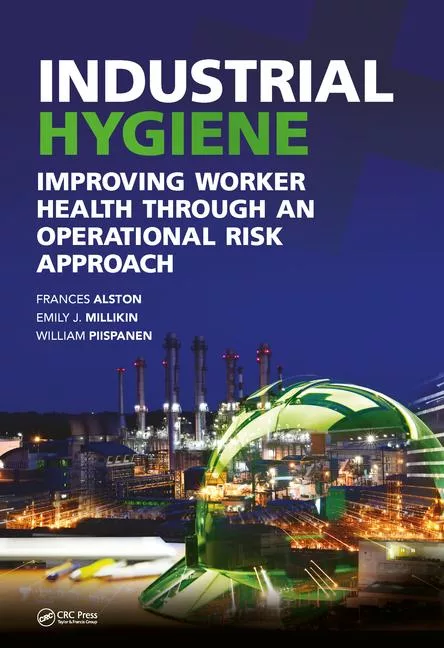
  • industrial hy.jpg

    Industrial Hygiene: Improving Worker Health through an Operational Risk Approach

  • Top Ten Pitfalls in OSHA Recordkeeping and How to Avoid Them

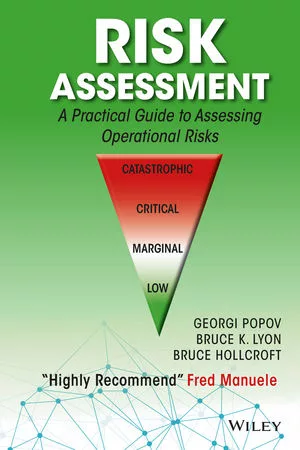
  • 1118911040.jpg

    Risk Assessment: A Practical Guide to Assessing Operational Risks

See More Products

Related Directories

  • SafetyLine Lone Worker

    SafetyLine Lone Worker helps companies monitor the status of workers who are remote, alone, or working in hazardous situations. We are an automated check-in monitoring and emergency notification service. SafetyLine uses its communications infrastructure to ensure that workers have comprehensive monitoring, 24/7, without the need for costly monitoring centers.
×

Become a Leader in Safety Culture

Build your knowledge with ISHN, covering key safety, health and industrial hygiene news, products, and trends.

JOIN TODAY
  • RESOURCES
    • Advertise
    • Contact Us
    • Directories
    • Manufacturing Division
    • Store
    • Want More
  • SIGN UP TODAY
    • Create Account
    • eMagazine
    • Newsletters
    • Customer Service
    • Manage Preferences
  • SERVICES
    • Marketing Services
    • Reprints
    • Market Research
    • List Rental
    • Survey/Respondent Access
  • STAY CONNECTED
    • LinkedIn
    • Facebook
    • YouTube
    • X (Twitter)
  • PRIVACY
    • PRIVACY POLICY
    • TERMS & CONDITIONS
    • DO NOT SELL MY PERSONAL INFORMATION
    • PRIVACY REQUEST
    • ACCESSIBILITY

Copyright ©2026. All Rights Reserved BNP Media, Inc. and BNP Media II, LLC.

Design, CMS, Hosting & Web Development :: ePublishing