ISHN logo
search
cart
facebook twitter linkedin youtube
  • Sign In
  • Create Account
  • Sign Out
  • My Account
ISHN logo
  • NEWS
    • Today's News
    • Global Safety News
    • Government Regulations
  • PRODUCTS
    • Product Innovations
    • Featured Products
  • TOPICS
    • Environmental Health and Safety
    • Facility Safety
    • Workplace Health
    • Occupational Safety
    • PPE
    • More Topics
  • CONSTRUCTION
  • TECHNOLOGY
  • COLUMNS
    • Best Practices
    • Dave Johnson: What’s going on
    • Editorial Comments
    • Leading Safety
  • MULTIMEDIA
    • ISHN Podcast
    • Videos
    • Cold Stress Education Quiz
    • Webinars
    • White Papers
  • MORE
    • Buyer's Guide
    • Newsletters
    • Convention Companion
    • Polls
    • Events
    • ISHN Store
    • Sponsor Insights
  • EMAGAZINE
    • eMagazine
    • Archived Issues
    • Contact
    • Advertise
  • JOIN TODAY!
Workplace HealthPsychology in the Workplace

Cold symptoms feel worse when people feel lonely

Quality, not quantity, of relationships makes a difference

sick
April 6, 2017

Having a cold is bad enough, but having a cold if you’re lonely can actually feel worse, according to research published by the American Psychological Association (APA).

By finding lonely people and infecting them with the cold virus, researchers determined that those who had weaker social networks were more likely to report their cold symptoms were more severe than cold sufferers who didn’t feel lonely, according to the study published in the APA journal Health Psychology®.

“Research has shown that loneliness puts people at risk for early death and other physical illnesses,” said study author Angie LeRoy, a graduate student in psychology at Rice University. “But nothing had been done to look at an acute but temporary illness that we're all vulnerable to — the common cold.”

And feeling lonely had a greater effect on symptoms than actually being lonely, the researchers found.

“We looked at the quality of people’s relationships, not the quantity,” LeRoy said. “You can be in a crowded room and feel lonely. That perception is what seems to be important when it comes to cold symptoms.”

The researchers studied 159 people, ranging in age from 18 to 55. Nearly 60 percent were men. All were assessed for their psychological and physical health, given cold-inducing nasal drops and quarantined for five days in hotel rooms.

The participants, scored in advance on the Short Loneliness Scale and the Social Network Index, were monitored during and after the five-day stay. After adjusting for gender and age, the season, depressive affect and social isolation, the researchers found that those who felt lonely were no more likely to get a cold than those who didn’t feel isolated.

But among those who actually came down with a cold (75 percent of the sample), people who were lonelier at baseline reported worse cold symptoms. The size of the participants' social networks appeared to have no bearing on how sick they felt.

“What makes this study so novel is the tight experimental design. It's all about a particular predisposition (loneliness) interacting with a particular stressor,” said study co-author Chris Fagundes, PhD, a psychology professor at Rice University. “Doctors should take psychological factors into account at intake. It would help them understand the phenomenon when a person comes in sick.”

Article: Loneliness Predicts Self-Reported Cold Symptoms After a Viral Challenge (PDF, 107KB) by Angie S. LeRoy, BA, University of Houston and Rice University; Kyle W. Murdock, PhD, Rice University; Lisa M. Jaremka, PhD, University of Delaware; Asad Loya, Rice University and University of Houston; Chris P. Fagundes, PhD, Rice University and The University of Texas MD Anderson Cancer Center. Health Psychology, published online March 29, 2017.


The American Psychological Association, in Washington, D.C., is the largest scientific and professional organization representing psychology in the United States. APA's membership includes nearly 115,700 researchers, educators, clinicians, consultants and students. Through its divisions in 54 subfields of psychology and affiliations with 60 state, territorial and Canadian provincial associations, APA works to advance the creation, communication and application of psychological knowledge to benefit society and improve people's lives.

KEYWORDS: health mental health psychology

Share This Story

Looking for a reprint of this article?
From high-res PDFs to custom plaques, order your copy today!

Recommended Content

JOIN TODAY
to unlock your recommendations.

Already have an account? Sign In

  • forklift safety

    Exploring the latest technologies in forklift safety

    With more staff and more stock in warehousing now more...
    Facility Safety
    By: Josh Cramer
  • welding

    All about welder’s flash or arc eye

    A flash burn is a painful inflammation of the cornea,...
    Environmental Health and Safety
  • dangerous jobs

    The 10 most dangerous jobs in the U.S.

    On-the-job deaths have been rising — hitting the highest...
    Government Safety Regulations
    By: Benita Mehta
Manage My Account
  • eMagazine Subscriptions
  • ISHN Newsletter & Other Newsletter Alerts
  • Online Registration
  • Manage My Preferences
  • Subscription Customer Service

More Videos

Sponsored Content

Sponsored Content is a special paid section where industry companies provide high quality, objective, non-commercial content around topics of interest to the ISHN audience. All Sponsored Content is supplied by the advertising company and any opinions expressed in this article are those of the author and not necessarily reflect the views of ISHN or its parent company, BNP Media. Interested in participating in our Sponsored Content section? Contact your local rep!

close
  • man wearing the the Sundström SR200 Full Face Mask Respirator
    Sponsored byOHD

    5 Fit Testing Mistakes That Could Cost You

  • This image shows Magid AcuSpex polarized blue mirrored safety glasses.
    Sponsored byMagid Glove and Safety

    Construction PPE Guide: What Crews Need for Each Task

  • lone worker in confined space
    Sponsored byAlphasense Ltd.

    GET THE LEAD OUT of your Safety Oxygen Sensors!

Popular Stories

SpaceX 7 launch

OSHA Investigating Fatal Fall at SpaceX Starbase

Worker Impairment

How to Tell When a Co-Worker is Impaired? A Safety Pro’s Challenge

Automated loading dock equipment

After March 2026 Rivian Death, Safety Managers Reassess Loading Dock Systems Under OSHA's Warehouse Emphasis Program

top 10 most dangerous jobs

Poll

Seasonal Readiness

With the federal heat stress prevention rule on the horizon, which area of your safety program needs the most attention?
View Results Poll Archive

Products

Surviving an OSHA Audit A Management Guide, 2nd Edition

Surviving an OSHA Audit A Management Guide, 2nd Edition

See More Products

ISHN Podcasts

Related Articles

  • sick

    Cold, flu symptoms expected to rise during holiday season

    See More
  • When workers feel bulletproof...

    See More
  • heat

    Heat Index: When humidity makes it feel hotter

    See More

Related Products

See More Products
  • 9781138749573.jpg

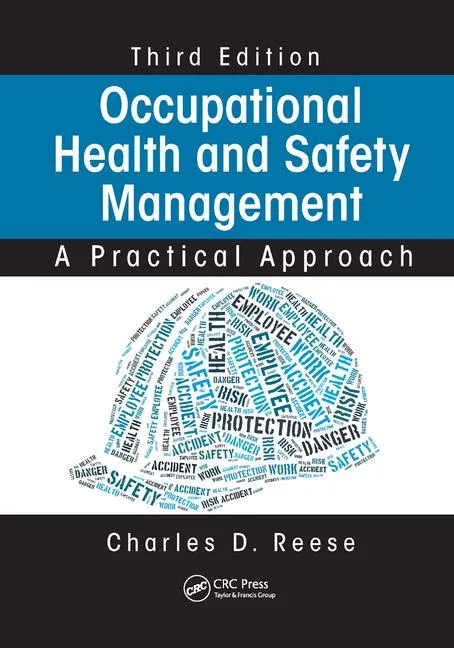
    Occupational Health and Safety Management: A Practical Approach, Third Edition

See More Products

Events

View AllSubmit An Event
  • Gas Detectors: The most common mistakes people make when using atmospheric monitors

    Learn the most common mistakes people make when using atmospheric monitors. Join Bob Henderson from GFG Instrumentation for this educational webinar.
View AllSubmit An Event

Related Directories

  • Superior Glove

    Superior Glove is a leading innovator in the design and manufacture of safety gloves and sleeves. Since 1910, we have been protecting workers across the globe with specialized hand and arm protection for every major industry.
  • SafetyLine Lone Worker

    SafetyLine Lone Worker helps companies monitor the status of workers who are remote, alone, or working in hazardous situations. We are an automated check-in monitoring and emergency notification service. SafetyLine uses its communications infrastructure to ensure that workers have comprehensive monitoring, 24/7, without the need for costly monitoring centers.
×

Become a Leader in Safety Culture

Build your knowledge with ISHN, covering key safety, health and industrial hygiene news, products, and trends.

JOIN TODAY
  • RESOURCES
    • Advertise
    • Contact Us
    • Directories
    • Manufacturing Division
    • Store
    • Want More
  • SIGN UP TODAY
    • Create Account
    • eMagazine
    • Newsletters
    • Customer Service
    • Manage Preferences
  • SERVICES
    • Marketing Services
    • Reprints
    • Market Research
    • List Rental
    • Survey/Respondent Access
  • STAY CONNECTED
    • LinkedIn
    • Facebook
    • YouTube
    • X (Twitter)
  • PRIVACY
    • PRIVACY POLICY
    • TERMS & CONDITIONS
    • DO NOT SELL MY PERSONAL INFORMATION
    • PRIVACY REQUEST
    • ACCESSIBILITY

Copyright ©2026. All Rights Reserved BNP Media, Inc. and BNP Media II, LLC.

Design, CMS, Hosting & Web Development :: ePublishing