ISHN logo
search
cart
facebook twitter linkedin youtube
  • Sign In
  • Create Account
  • Sign Out
  • My Account
ISHN logo
  • NEWS
    • Today's News
    • Global Safety News
    • Government Regulations
  • PRODUCTS
    • Product Innovations
    • Featured Products
  • TOPICS
    • Environmental Health and Safety
    • Facility Safety
    • Workplace Health
    • Occupational Safety
    • PPE
    • More Topics
  • CONSTRUCTION
  • TECHNOLOGY
  • COLUMNS
    • Best Practices
    • Dave Johnson: What’s going on
    • Editorial Comments
    • Leading Safety
  • MULTIMEDIA
    • ISHN Podcast
    • Videos
    • Cold Stress Education Quiz
    • Webinars
    • White Papers
  • MORE
    • Buyer's Guide
    • Newsletters
    • Convention Companion
    • Polls
    • Events
    • ISHN Store
    • Sponsor Insights
  • EMAGAZINE
    • eMagazine
    • Archived Issues
    • Contact
    • Advertise
  • JOIN TODAY!
Environmental Health and Safety

From NIOSH

How climate change will affect workers

August 14, 2017

A number of both indoor and outdoor worker populations may be particularly vulnerable to climate variations. Examples include: emergency responders, health care workers, fire fighters, utility workers, farmers, manufacturing workers and transportation workers. Climate conditions can amplify existing health and safety issues and could lead to new unanticipated hazards. Workers may also be exposed to weather and climate conditions that the general public can elect to avoid. For worker populations such as migrant workers and day laborers who may have inadequate housing or other social and economic constraints, the adverse health effects of exposure to climate-related hazards in the workplace could be exacerbated by exposure to similar hazards in the home.

Examples of climate related occupational hazards include high temperatures, air pollution, extreme weather and natural disasters, and biological hazards.

  • Occupational Exposure to Heat and Hot Environments
    Workers who are exposed to extreme heat, prolonged work in hot environments or engaged in strenuous physical activity may be at risk for heat stress. Heat stress can lead to heat stroke, heat exhaustion, rhabdomyolysis (muscle tissue breakdown), and death. Occupational exposure to heat has also been associated with increased risk of traumatic injury. More NIOSH resources are available on the heat stress topic page: www.cdc.gov/niosh/topics/heatstress
  • Air Pollution
    Air pollution has been linked with both acute and chronic health effects such as heart disease, respiratory diseases, and allergic disorders. Air pollutants that are known to affect respiratory health include ground level ozone and particle pollution. Numerous factors including worksite location and weather conditions may affect occupational exposure to air pollution. Current and forecasted air quality index information, and air quality action day alerts for your location are available at www.airnow.gov
  • Extreme Weather
    Extreme weather events or natural disasters such as floods, landslides, storms, lightning, droughts, and wildfires are associated with occupational deaths, injuries, diseases, and mental stress. Workers involved in rescue, cleanup and restoration are exposed to hazardous conditions both during and after extreme weather events.
  • Biological Hazards
    Climate conditions such as temperature and rainfall affect the prevalence and distribution of vectors, pathogens, hosts and allergens. Associated health impacts include food-borne and water-borne diseases; asthma and allergies triggered by pollen; mold-related asthma; skin and lung irritation from poisonous plants; and vector-borne disease such as Lyme disease, dengue, chikungunya and Zika virus disease. The most vulnerable occupational groups may include outdoor workers, emergency responders, post-disaster remediation and construction workers, and health care workers. In addition to the direct health impacts associated with biological hazards, exposure to pesticides has been associated with a variety of adverse occupational health outcomes.
  • Indoor Climate
    High temperatures increase the need for climate-controlled buildings. Building-related illnesses (e.g., tight building syndrome or sick building syndrome), sometimes related to indoor air quality, may occur, especially in buildings with air conditioning, water damage, or energy-efficient “tight” buildings with microbial-contaminated humidifiers or air handlers that use biocides. Tight buildings may also lead to radon buildup in work areas such as smaller rooms, storage areas, or offices.

In response to concerns about our climate and environment there has been an expansion in energy efficiency and environmentally-friendly practices. For example, the International Renewable Energy Agency estimates that there were 769,000 renewable energy jobs in the US in 2015. In 2011, the US Bureau of Labor Statistics estimated the number of jobs in all green goods and services to be 3.4 million, a figure that has likely increased in the years since these data were collected. It is important to ensure that worker safety and health concerns in these emerging industries are identified and addressed. More information about NIOSH’s work in this area can be found here: www.cdc.gov/niosh/topics/ptd/greenjobs.html

Source: NIOSH

KEYWORDS: extreme weather illness occupational exposure

Share This Story

Looking for a reprint of this article?
From high-res PDFs to custom plaques, order your copy today!

Recommended Content

JOIN TODAY
to unlock your recommendations.

Already have an account? Sign In

  • forklift safety

    Exploring the latest technologies in forklift safety

    With more staff and more stock in warehousing now more...
    Workplace Training Strategies
    By: Josh Cramer
  • welding

    All about welder’s flash or arc eye

    A flash burn is a painful inflammation of the cornea,...
    Environmental Health and Safety
  • dangerous jobs

    The 10 most dangerous jobs in the U.S.

    On-the-job deaths have been rising — hitting the highest...
    Occupational Safety
    By: Benita Mehta
Manage My Account
  • eMagazine Subscriptions
  • ISHN Newsletter & Other Newsletter Alerts
  • Online Registration
  • Manage My Preferences
  • Subscription Customer Service

More Videos

Sponsored Content

Sponsored Content is a special paid section where industry companies provide high quality, objective, non-commercial content around topics of interest to the ISHN audience. All Sponsored Content is supplied by the advertising company and any opinions expressed in this article are those of the author and not necessarily reflect the views of ISHN or its parent company, BNP Media. Interested in participating in our Sponsored Content section? Contact your local rep!

close
  • man wearing the the Sundström SR200 Full Face Mask Respirator
    Sponsored byOHD

    5 Fit Testing Mistakes That Could Cost You

  • This image shows Magid AcuSpex polarized blue mirrored safety glasses.
    Sponsored byMagid Glove and Safety

    Construction PPE Guide: What Crews Need for Each Task

  • lone worker in confined space
    Sponsored byAlphasense Ltd.

    GET THE LEAD OUT of your Safety Oxygen Sensors!

Popular Stories

SpaceX 7 launch

OSHA Investigating Fatal Fall at SpaceX Starbase

Worker Impairment

How to Tell When a Co-Worker is Impaired? A Safety Pro’s Challenge

Automated loading dock equipment

After March 2026 Rivian Death, Safety Managers Reassess Loading Dock Systems Under OSHA's Warehouse Emphasis Program

top 10 most dangerous jobs

Poll

Seasonal Readiness

With the federal heat stress prevention rule on the horizon, which area of your safety program needs the most attention?
View Results Poll Archive

Products

Surviving an OSHA Audit A Management Guide, 2nd Edition

Surviving an OSHA Audit A Management Guide, 2nd Edition

See More Products

ISHN Podcasts

Related Articles

  • How climate change will affect workers

    See More
  • Earth Day

    How climate change might influence workers’ health and safety

    See More
  • Study: Climate change will challenge occupational safety and health

    See More

Related Products

See More Products
  • human resources.jpg

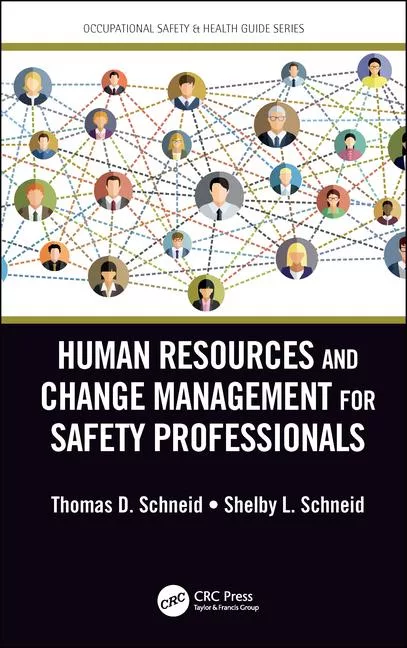
    Human Resources and Change Management for Safety Professionals

  • Top Ten Pitfalls in OSHA Recordkeeping and How to Avoid Them

See More Products

Related Directories

  • SafetyLine Lone Worker

    SafetyLine Lone Worker helps companies monitor the status of workers who are remote, alone, or working in hazardous situations. We are an automated check-in monitoring and emergency notification service. SafetyLine uses its communications infrastructure to ensure that workers have comprehensive monitoring, 24/7, without the need for costly monitoring centers.
  • Grace Industries

    How Do You Protect Your Lone Workers? Working at Heights? Check out our new WorkForce product line - Fall Detection with Immediate Notification – Prevent Suspension Trauma. Fixed Facility – No Monthly Fees. Working in the field? Check out Grace Connected Safety – Cellular and Satellite Cloud Connect
×

Become a Leader in Safety Culture

Build your knowledge with ISHN, covering key safety, health and industrial hygiene news, products, and trends.

JOIN TODAY
  • RESOURCES
    • Advertise
    • Contact Us
    • Directories
    • Manufacturing Division
    • Store
    • Want More
  • SIGN UP TODAY
    • Create Account
    • eMagazine
    • Newsletters
    • Customer Service
    • Manage Preferences
  • SERVICES
    • Marketing Services
    • Reprints
    • Market Research
    • List Rental
    • Survey/Respondent Access
  • STAY CONNECTED
    • LinkedIn
    • Facebook
    • YouTube
    • X (Twitter)
  • PRIVACY
    • PRIVACY POLICY
    • TERMS & CONDITIONS
    • DO NOT SELL MY PERSONAL INFORMATION
    • PRIVACY REQUEST
    • ACCESSIBILITY

Copyright ©2026. All Rights Reserved BNP Media, Inc. and BNP Media II, LLC.

Design, CMS, Hosting & Web Development :: ePublishing