ISHN logo
search
cart
facebook twitter linkedin youtube
  • Sign In
  • Create Account
  • Sign Out
  • My Account
ISHN logo
  • NEWS
    • Today's News
    • Global Safety News
    • Government Regulations
  • PRODUCTS
    • Product Innovations
    • Featured Products
  • TOPICS
    • Environmental Health and Safety
    • Facility Safety
    • Workplace Health
    • Occupational Safety
    • PPE
    • More Topics
  • CONSTRUCTION
  • TECHNOLOGY
  • COLUMNS
    • Best Practices
    • Dave Johnson: What’s going on
    • Editorial Comments
    • Leading Safety
  • MULTIMEDIA
    • ISHN Podcast
    • Videos
    • Cold Stress Education Quiz
    • Webinars
    • White Papers
  • MORE
    • Buyer's Guide
    • Newsletters
    • Convention Companion
    • Polls
    • Events
    • ISHN Store
    • Sponsor Insights
  • EMAGAZINE
    • eMagazine
    • Archived Issues
    • Contact
    • Advertise
  • JOIN TODAY!
Today's Safety NewsEnvironmental Health and Safety

Airline workers worried about “toxic fume events” on planes

August 18, 2017

Jet fuel is a fairly common smell in the passenger cabin when a plane is preparing to taxi. Far less so is the aroma of dirty socks, rancid cheese, or a wet dog— unpleasant signs that engine oil vapors have seeped in, too.

These smells are usually found in jet engine “bleed air” -- outside air that’s been shunted from the engines into an air conditioning system and then to the cabin. In various systems—cabin pressurization, water-tank storage pressure, even heating to dissipate wing ice—this air is need for the plane’s operation.

But when engine seals deteriorate, bleed air can mix with fumes from high-temperature synthetic engine oil. At high-enough concentrations, flight crews and passengers can grow ill, forcing pilots to divert to the closest airport.

Existing FAA rules on fume event reporting apply to airlines as entities, while a proposed law would cover pilots, flight attendants, and maintenance personnel individually.

In 2015, the UN’s International Civil Aviation Organization issued guidelines for flight crew training and reporting of fume events. “Often, oil fumes do not smell like oil,” the group said. “Instead, they are typically described as smelling like dirty socks/smelly feet, foul, or musty.”

The frequency of these fume events is difficult to assess, but estimates run to as many as 2.6 per day. The Allied Pilots Association (APA), which represents American’s pilots, has cited as many as 20,000 fume incidents over the past decade, or about five per day.

“Most of us will never experience a serious fume event,” the union said last fall in its member newsletter, likening these to the rarity of jet engine failures inflight—a common scenario in pilot training but unusual in commercial aviation. “However, it is incumbent upon us to know how to react.”

The issue has led to at least two lawsuits against Boeing Co. brought by five Alaska Air Group Inc. flight attendants who fell ill while working on Boeing 737s. In some cases, the employee is unable to return to work, according to the lawsuits, which were filed in Chicago.

“Most Americans go to work with the expectation of breathing clean air, but until we achieve better standards for cabin air quality, flight attendants don’t have this guarantee,” Sara Nelson, president of the Association of Flight Attendants-CWA, the largest U.S. attendants’ union, said in a statement.

Source: Fortune https://fortune.com

KEYWORDS: hazardous materials illness occupational exposure

Share This Story

Looking for a reprint of this article?
From high-res PDFs to custom plaques, order your copy today!

Recommended Content

JOIN TODAY
to unlock your recommendations.

Already have an account? Sign In

  • forklift safety

    Exploring the latest technologies in forklift safety

    With more staff and more stock in warehousing now more...
    Workplace Training Strategies
    By: Josh Cramer
  • welding

    All about welder’s flash or arc eye

    A flash burn is a painful inflammation of the cornea,...
    Environmental Health and Safety
  • dangerous jobs

    The 10 most dangerous jobs in the U.S.

    On-the-job deaths have been rising — hitting the highest...
    Government Safety Regulations
    By: Benita Mehta
Manage My Account
  • eMagazine Subscriptions
  • ISHN Newsletter & Other Newsletter Alerts
  • Online Registration
  • Manage My Preferences
  • Subscription Customer Service

More Videos

Sponsored Content

Sponsored Content is a special paid section where industry companies provide high quality, objective, non-commercial content around topics of interest to the ISHN audience. All Sponsored Content is supplied by the advertising company and any opinions expressed in this article are those of the author and not necessarily reflect the views of ISHN or its parent company, BNP Media. Interested in participating in our Sponsored Content section? Contact your local rep!

close
  • man wearing the the Sundström SR200 Full Face Mask Respirator
    Sponsored byOHD

    5 Fit Testing Mistakes That Could Cost You

  • This image shows Magid AcuSpex polarized blue mirrored safety glasses.
    Sponsored byMagid Glove and Safety

    Construction PPE Guide: What Crews Need for Each Task

  • lone worker in confined space
    Sponsored byAlphasense Ltd.

    GET THE LEAD OUT of your Safety Oxygen Sensors!

Popular Stories

SpaceX 7 launch

OSHA Investigating Fatal Fall at SpaceX Starbase

Worker Impairment

How to Tell When a Co-Worker is Impaired? A Safety Pro’s Challenge

Automated loading dock equipment

After March 2026 Rivian Death, Safety Managers Reassess Loading Dock Systems Under OSHA's Warehouse Emphasis Program

top 10 most dangerous jobs

Poll

Seasonal Readiness

With the federal heat stress prevention rule on the horizon, which area of your safety program needs the most attention?
View Results Poll Archive

Products

Surviving an OSHA Audit A Management Guide, 2nd Edition

Surviving an OSHA Audit A Management Guide, 2nd Edition

See More Products

ISHN Podcasts

Related Articles

  • Air Canada jet nearly lands on planes awaiting takeoff

    See More
  • Near-misses on ground inspire calls for anti-collision equipment on planes

    See More
  • Opposition builds to new TSA policy allowing knives on planes

    See More

Related Products

See More Products
  • 1118645685.jpg

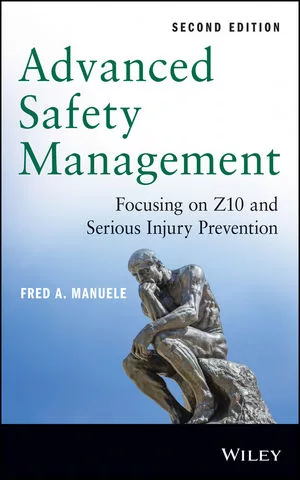
    Advanced Safety Management: Focusing on Z10 and Serious Injury Prevention, 2nd Edition

See More Products

Related Directories

  • SafetyLine Lone Worker

    SafetyLine Lone Worker helps companies monitor the status of workers who are remote, alone, or working in hazardous situations. We are an automated check-in monitoring and emergency notification service. SafetyLine uses its communications infrastructure to ensure that workers have comprehensive monitoring, 24/7, without the need for costly monitoring centers.
×

Become a Leader in Safety Culture

Build your knowledge with ISHN, covering key safety, health and industrial hygiene news, products, and trends.

JOIN TODAY
  • RESOURCES
    • Advertise
    • Contact Us
    • Directories
    • Manufacturing Division
    • Store
    • Want More
  • SIGN UP TODAY
    • Create Account
    • eMagazine
    • Newsletters
    • Customer Service
    • Manage Preferences
  • SERVICES
    • Marketing Services
    • Reprints
    • Market Research
    • List Rental
    • Survey/Respondent Access
  • STAY CONNECTED
    • LinkedIn
    • Facebook
    • YouTube
    • X (Twitter)
  • PRIVACY
    • PRIVACY POLICY
    • TERMS & CONDITIONS
    • DO NOT SELL MY PERSONAL INFORMATION
    • PRIVACY REQUEST
    • ACCESSIBILITY

Copyright ©2026. All Rights Reserved BNP Media, Inc. and BNP Media II, LLC.

Design, CMS, Hosting & Web Development :: ePublishing