The Opioid Crisis: Stay current on drug-testing requirements
For many organizations, maintaining regulatory compliance is a major undertaking. As organizations adapt to recent regulatory changes that pertain to drug and alcohol program requirements, including testing for opioids, they may find it helpful to understand the scope and impact of the changes, as well as to consider the challenges faced by organizations and their contractors in maintaining compliance, and steps organizations can take to enhance their compliance in regard to drug and alcohol policies and processes.
DOT/ PHMSA changes
Late last year, the U.S. Department of Transportation (DOT) took action to expand the list of drugs included in screenings to incorporate four commonly abused opioids. The amendment to the drug-testing rule became effective on January 1, 2018.
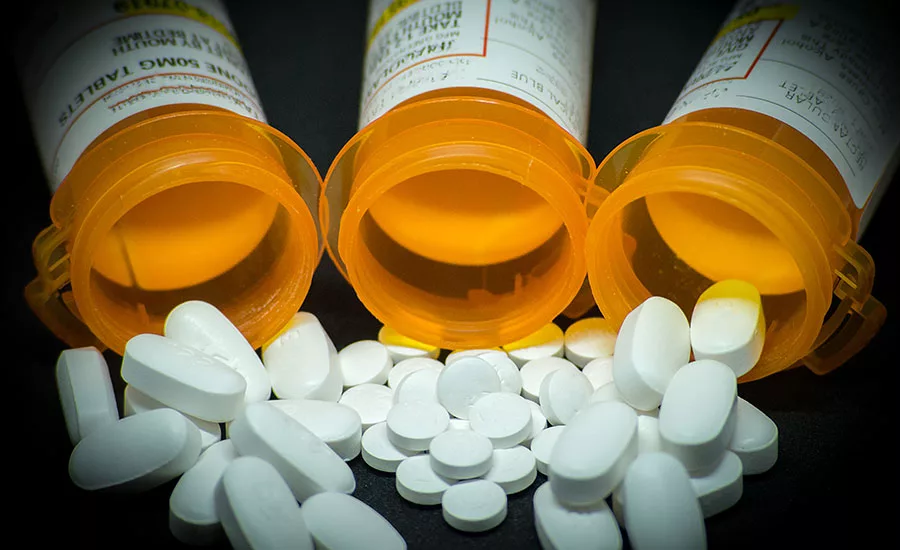
The DOT’s final rule expanded its current drug-testing panel to include four semi-synthetic opioids: hydrocodone, hydromorphone, oxymorphone, and oxycodone, also known by the brand names OxyContin®, Percodan®, Percocet®, Vicodin®, Lortab®, Norco®, Dilaudid®, and Exalgo®. Additionally, the amendment added methylenedioxyamphetamine (MDA) as an initial test analyte and removed methylenedioxyethylamphetamine (MDEA) from the drug panel.
The revision of the drug-testing panel harmonizes DOT regulations with the revised Mandatory Guidelines established by the U.S. Department of Health and Human Services (HHS) for federal drug-testing programs for urine testing. The final rule also clarifies certain existing drug-testing program provisions and definitions, makes technical amendments, and removes the requirement for employers and Consortium/Third Party Administrators to submit blind specimens.
Another important change that organizations that operate regulated pipeline should note is that the Pipeline and Hazardous Materials Safety Administration (PHMSA) increased the minimum random drug-testing rate for covered employees from 25 to 50 percent during calendar year 2018. This change doubles the rate of random drug testing that employers in PMHSA-regulated industries must conduct among covered employees as compared to 2017.
In response to these changes, employers of DOT-regulated employees needed to take some immediate steps to ensure they would remain compliant in 2018. These steps included:
- Reviewing their drug and alcohol testing policies to make sure they reflected the changes that became effective on January 1, 2018,
- Making any necessary updates and communicating them to service agents and contractors as applicable, and
- Having a process in place to ensure that their service agents, third-party administrators (TPAs), and contractors comply with employer policies, including any updates.
Employers that are subject to PHMSA-regulated requirements also must ensure that all contractors implement the 50-percent minimum drug-testing rate to remain compliant with PHMSA requirements.
What’s behind the changes to the drug-testing panel
The inclusion of oxycodone, oxymorphone, hydrocodone, and hydromorphone in the Mandatory Guidelines for Federal Workplace Drug Testing Programs using Urine (UrMG or Mandatory Guidelines) is supported by various data and seen in private sector experience with current drug abuse trends.
HHS is continuing its efforts to prevent opioid addiction in support of the current administration’s commitment to combat the opioid crisis. The long-term impact of implementing these revised guidelines is expected to help ensure safety in the workplace, especially in national security, public health, and public safety occupations.
Opioids and the risk to safety
Drug abuse trends in the U.S. reveal a sharp increase in the use of opioids since the late 1990s. Among Americans, the misuse of and addiction to opioids, including prescription pain medications, heroin, and other synthetic opioids, has grown into a national crisis. According to the National Safety Council (NSC), drug overdose is the No. 1 cause of preventable death in the U.S., and in 2015, opioids were linked to nearly two-thirds of overdoses. 1
The use and overuse of prescription painkillers across the country is echoed in the workplace. Based on an NSC poll, it is estimated that over one quarter of the U.S. workforce is using opioids. Opioid misuse poses a serious risk to safety. Among workplace opioid users, 35 percent admitted to driving a vehicle and 14 percent admitted to operating heavy machinery. 2
In light of the testing changes and these statistics, it’s even more important for organizations to be aware of steps they can take within their own facilities, as well as when managing their contractor workforce, to ensure compliance, help identify and address opioid abuse, increase safety, and mitigate the risk of incidents.
What challenges do organizations face in managing D&A compliance?
Besides staying current with changing DOT and PHMSA regulations internally, organizations have multiple responsibilities in regard to ensuring that their contractors meet both federal and state drug and alcohol requirements. Not only are they responsible for ensuring that their contractors who perform covered work receive mandated testing for the presence of prohibited drugs and alcohol as well as required training, they are also responsible for ensuring their contractors maintain and follow a written anti-drug and alcohol prevention plan that conforms to the DOT/PHMSA requirements and procedures.
Monitoring contractor companies that perform covered tasks for an organization to ensure they have drug and alcohol programs and testing policies in place that conform to DOT/PHMSA requirements is an ongoing effort. To stay compliant, organizations must work towards developing consistent and effective procedures for ensuring contractor drug and alcohol compliance.
Enhancing drug and alcohol compliance
Although an organization may have acted promptly to incorporate the mandatory testing changes into its internal drug and alcohol policies, were the required changes to the requirements also addressed with its contractors? If an organization hasn’t already taken action to address its contractors’ drug and alcohol compliance plans and programs, the following list offers key steps an organization can take to ensure that its contractors comply with federal regulatory policies and its own internal policies.
- Review contractors’ drug and alcohol plans- There is no better time than the present for an organization to review its contractors’ drug and alcohol plans to ensure they are compliant with the latest DOT and/or PHMSA changes to the testing requirements. An organization will also want to ensure that its contractors’ drug and alcohol plans align with its own recently-amended requirements.
- Monitor contractors’ drug and alcohol testing percentages- To ensure that an organization’s contractors are maintaining compliance, monitoring its contractors’ drug and alcohol testing percentages for their lists of covered employees is highly recommended. Monitoring will help ensure that an organization’s contractors are meeting this year’s percentage requirements for testing and that contractors with PHMSA-regulated covered employee lists are testing at the revised 50% mandated rate.
- Introduce a formal D&A compliance management program for contractors- Outlining a formal program for ensuring contractors’ drug and alcohol compliance helps an organization build a bridge with its contractors and support its compliance objectives. A comprehensive drug and alcohol compliance management program that includes conducting periodic on-site inspections of worksites can provide an extra level of assurance that an organization can avoid potentially catastrophic and costly incidents, and puts it in a stronger position to successfully defend its compliance to a PHMSA or state inspector.
- Consider an automated solution- As organizations seek more effective methods for monitoring contractors’ drug and alcohol compliance programs to stay in alignment with DOT/PHMSA requirements, they may consider making an investment in an automated solution. An automated compliance management system can help organizations monitor each contractor’s statistical data on a quarterly or semi-annual basis, as well as provide easy visibility into the status of each contractor’s drug and alcohol program compliance. Automated compliance management solutions allow organizations to focus on program effectiveness, streamline processes, and take advantage of technology to make data capture, analysis, and reporting more consistent and efficient.
Sources:
- How the Prescription Drug Crisis is Impacting American Employers, Deborah A.P. Hersman, National Safety Council, Copyright 2017
- Drugs At Work: What Employers Need to Know, National Safety Council, Copyright 2017
Looking for a reprint of this article?
From high-res PDFs to custom plaques, order your copy today!


