ISHN logo
search
cart
facebook twitter linkedin youtube
  • Sign In
  • Create Account
  • Sign Out
  • My Account
ISHN logo
  • NEWS
    • Today's News
    • Global Safety News
    • Government Regulations
  • PRODUCTS
    • Product Innovations
    • Featured Products
  • TOPICS
    • Environmental Health and Safety
    • Facility Safety
    • Workplace Health
    • Occupational Safety
    • PPE
    • More Topics
  • CONSTRUCTION
  • TECHNOLOGY
  • COLUMNS
    • Best Practices
    • Dave Johnson: What’s going on
    • Editorial Comments
    • Leading Safety
  • MULTIMEDIA
    • ISHN Podcast
    • Videos
    • Cold Stress Education Quiz
    • Webinars
    • White Papers
  • MORE
    • Buyer's Guide
    • Newsletters
    • Convention Companion
    • Polls
    • Events
    • ISHN Store
    • Sponsor Insights
  • EMAGAZINE
    • eMagazine
    • Archived Issues
    • Contact
    • Advertise
  • JOIN TODAY!
Occupational SafetyEnvironmental Health and SafetyWorkplace Safety CultureRisk Management

Visual Literacy is a new hazard recognition tool

Identify hazards before an incident occurs. Here are three steps you can take.
By Doug Pontsler
Visual Literarcy a hazard recognition tool
May 23, 2019

Identifying hazards in the workplace, determining the degree of risk they represent, and taking appropriate action is a fundamental component of any safety management system. While simple to say, it can be more difficult in practice than we might expect. 

Here are some areas we see especially challenging:

  • Conditions are frequently changing and can introduce new hazards and/or can eliminate existing ones that were there prior to the condition change
  • Risk tolerance can differ among individuals resulting in different assessments of the actions that should’ve been taken.
  • Hazards that we’ve walked by countless times and nothing bad has happened, so we no longer see them.

In plain sight

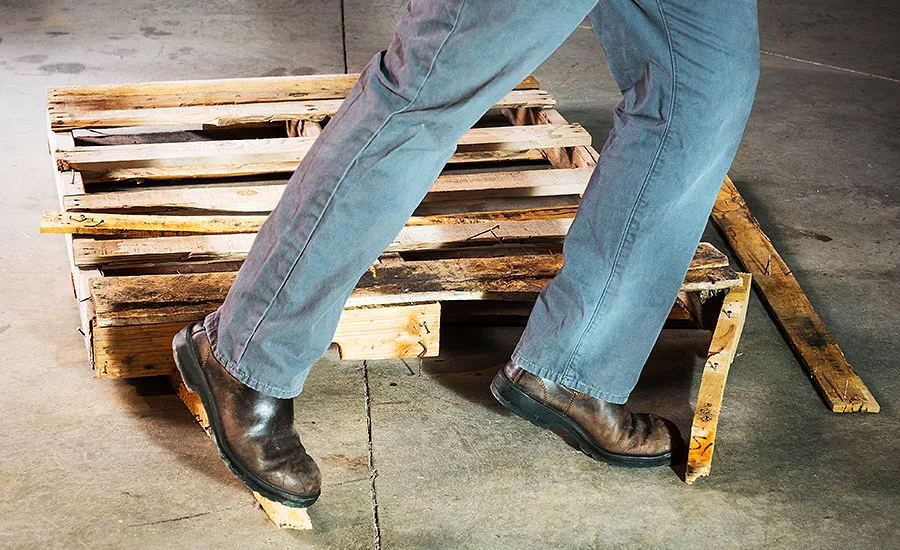
We often experience this in real life, when an incident occurred and we heard someone say, “I’ve walked by that a thousand times and I just didn’t see it.” It wasn’t that we didn’t know that specific condition was a hazard to a safe working environment, we just didn’t see it. It was in plain sight, and we just didn’t see it. It could be a sharp edge, a spill on the floor, or even a moving piece of equipment. We just didn’t see until it was too late.

Improve your ability to see

There are three steps we can take to improve our ability to see what is in front of us and think more critically about it what it means and what we should do as a result.

  1. Slow down and take the time to properly assess our environment and the task that we are undertaking. Too often, we look but don’t take the time to really see because we feel the time pressure to get it done now. We look and immediately interpret that this time is like the last time and “fill in” what we think is there versus what might be different and harmful to our wellbeing.
  2. Establish a common language around risk tolerance so that everyone understands that no task is worth doing at the risk of injury. In order to “stop work” that is or becomes unable to be done without the risk of injury, we must be able to see the potential risk that is there. We must interpret what we see through having a disciplined way of seeing what is in front of us and processing it by thinking critically about the potential outcomes that can occur.
  3. Act based on what we see and what we have determined it means. This may mean applying a different approach to the task and a different level of safety controls, or stopping the work altogether until a safe plan of action can be determined. It does us no good to see it for what it is and then do nothing about it.

Enter Visual Literacy

This is where learning skills in Visual Literacy can alleviate these challenges. What do I see, what does it mean, and what do I do about it? Visual literacy is a form of critical thinking. By applying a proven and disciplined way of improving our ability to see what is in front of us, we have the potential to improve the decisions we make about how we do the work we do safely. Borrowing these lessons from art education, which teaches people how to interact with art, we can also apply these same principles in the workplace helping us all be safer as a result.

Tools to help identify hazards

One of the most fundamental ways employees can be engaged and participate in creating a safer working environment is by contributing to a rigorous hazard identification process. Even when we feel like we’ve identified all the hazards, the dynamic nature of most work environments continues to change – which can introduce new hazards or remove existing ones that could have been present only moments prior. And even if the environment is static, we can still miss hazards that over time have become normalized and are now part of the background.

So how do we deal with these constantly changing conditions? Both the ones that differ from the conditions anticipated by the job hazard analysis, or the ones that existed just moments before the pre-job brief was completed.

At COVE: Center of Visual Expertise, we believe that improving our ability to see by enhancing our Visual Literacy skills, we can respond more effectively to static or dynamic risks. We not only see in a more disciplined way, but by improving how we interpret the hazards before us we’re able to take meaningful actions.

We often emphasize that we need to slow down in order to really appreciate what we are examining. But slowing down without having the proper tools or insight on how to use them may not be effective. Visual Literacy provides concepts to help move from just looking to really seeing, and from jumping to a conclusion to confidently interpreting what we are seeing in a more systematic way. By training our employees to utilize these tools in their normal working environments, they become re-engaged –improving the impact their efforts can have on safety performance.

To download a free White Paper on “Seeing the Gaps in Your Safety Program, go to https://covectr.com/seeing-the-gaps-in-your-safety-program/.

KEYWORDS: hazard identification visual management worker safety engagement workplace hazards workplace health and safety

Share This Story

Looking for a reprint of this article?
From high-res PDFs to custom plaques, order your copy today!

Doug Pontsler is Chairman and Managing Director at COVE: Center of Visual Expertise. Launched by the Toledo Museum of Art (TMA), COVE focuses on the delivery of its visual literacy curriculum for industrial applications. Doug is the former vice president of operations sustainability and EHS for Owens Corning and retired in February, 2018. He is a past member of the National Safety Council Board of Directors and past Chairman of the Campbell Institute at the National Safety Council.

Recommended Content

JOIN TODAY
to unlock your recommendations.

Already have an account? Sign In

  • forklift safety

    Exploring the latest technologies in forklift safety

    With more staff and more stock in warehousing now more...
    Workplace Training Strategies
    By: Josh Cramer
  • welding

    All about welder’s flash or arc eye

    A flash burn is a painful inflammation of the cornea,...
    Environmental Health and Safety
  • dangerous jobs

    The 10 most dangerous jobs in the U.S.

    On-the-job deaths have been rising — hitting the highest...
    Transportation Safety
    By: Benita Mehta
Manage My Account
  • eMagazine Subscriptions
  • ISHN Newsletter & Other Newsletter Alerts
  • Online Registration
  • Manage My Preferences
  • Subscription Customer Service

More Videos

Sponsored Content

Sponsored Content is a special paid section where industry companies provide high quality, objective, non-commercial content around topics of interest to the ISHN audience. All Sponsored Content is supplied by the advertising company and any opinions expressed in this article are those of the author and not necessarily reflect the views of ISHN or its parent company, BNP Media. Interested in participating in our Sponsored Content section? Contact your local rep!

close
  • man wearing the the Sundström SR200 Full Face Mask Respirator
    Sponsored byOHD

    5 Fit Testing Mistakes That Could Cost You

  • This image shows Magid AcuSpex polarized blue mirrored safety glasses.
    Sponsored byMagid Glove and Safety

    Construction PPE Guide: What Crews Need for Each Task

  • lone worker in confined space
    Sponsored byAlphasense Ltd.

    GET THE LEAD OUT of your Safety Oxygen Sensors!

Popular Stories

SpaceX 7 launch

OSHA Investigating Fatal Fall at SpaceX Starbase

Worker Impairment

How to Tell When a Co-Worker is Impaired? A Safety Pro’s Challenge

Automated loading dock equipment

After March 2026 Rivian Death, Safety Managers Reassess Loading Dock Systems Under OSHA's Warehouse Emphasis Program

top 10 most dangerous jobs

Poll

Seasonal Readiness

With the federal heat stress prevention rule on the horizon, which area of your safety program needs the most attention?
View Results Poll Archive

Products

Surviving an OSHA Audit A Management Guide, 2nd Edition

Surviving an OSHA Audit A Management Guide, 2nd Edition

See More Products

ISHN Podcasts

Related Articles

  • COVE

    Improve hazard recognition with visual literacy

    See More
  • visual literacy for hazard recognition

    Owens Corning uses visual literacy for hazard recognition

    See More
  • COVE

    2 triangles: Visual literacy and effective safety controls

    See More

Related Products

See More Products
  • 0470074841.jpg

    Patty's Industrial Hygiene, Volume 1, Hazard Recognition , 6th Edition

  • A Basic Guide to RCRA—Understanding Solid and Hazardous Waste Management, Second Edition

See More Products

Related Directories

  • e-Hazard

    E-Hazard is dedicated to building an electrical safety culture with you. Our electrical engineering services and training will prepare your team for any electrical safety needs or concerns. E-Hazard can help with electrical training, arc flash studies, electrical audits, electrical safety programs, LOTO, infrared scanning, NFPA 70B, consulting and much more.
  • New Pig

    The world leader in absorbent products, New Pig provides innovative products to help maintain cleaner, safer, more productive work environments.
×

Become a Leader in Safety Culture

Build your knowledge with ISHN, covering key safety, health and industrial hygiene news, products, and trends.

JOIN TODAY
  • RESOURCES
    • Advertise
    • Contact Us
    • Directories
    • Manufacturing Division
    • Store
    • Want More
  • SIGN UP TODAY
    • Create Account
    • eMagazine
    • Newsletters
    • Customer Service
    • Manage Preferences
  • SERVICES
    • Marketing Services
    • Reprints
    • Market Research
    • List Rental
    • Survey/Respondent Access
  • STAY CONNECTED
    • LinkedIn
    • Facebook
    • YouTube
    • X (Twitter)
  • PRIVACY
    • PRIVACY POLICY
    • TERMS & CONDITIONS
    • DO NOT SELL MY PERSONAL INFORMATION
    • PRIVACY REQUEST
    • ACCESSIBILITY

Copyright ©2026. All Rights Reserved BNP Media, Inc. and BNP Media II, LLC.

Design, CMS, Hosting & Web Development :: ePublishing