ISHN logo
search
cart
facebook twitter linkedin youtube
  • Sign In
  • Create Account
  • Sign Out
  • My Account
ISHN logo
  • NEWS
    • Today's News
    • Global Safety News
    • Government Regulations
  • PRODUCTS
    • Product Innovations
    • Featured Products
  • TOPICS
    • Environmental Health and Safety
    • Facility Safety
    • Workplace Health
    • Occupational Safety
    • PPE
    • More Topics
  • CONSTRUCTION
  • TECHNOLOGY
  • COLUMNS
    • Best Practices
    • Dave Johnson: What’s going on
    • Editorial Comments
    • Leading Safety
  • MULTIMEDIA
    • ISHN Podcast
    • Videos
    • Cold Stress Education Quiz
    • Webinars
    • White Papers
  • MORE
    • Buyer's Guide
    • Newsletters
    • Convention Companion
    • Polls
    • Events
    • ISHN Store
    • Sponsor Insights
  • EMAGAZINE
    • eMagazine
    • Archived Issues
    • Contact
    • Advertise
  • JOIN TODAY!
Occupational SafetySustainability in Health and Safety

Safety tips for working with a commercial trash compactor
By Erich Lawson
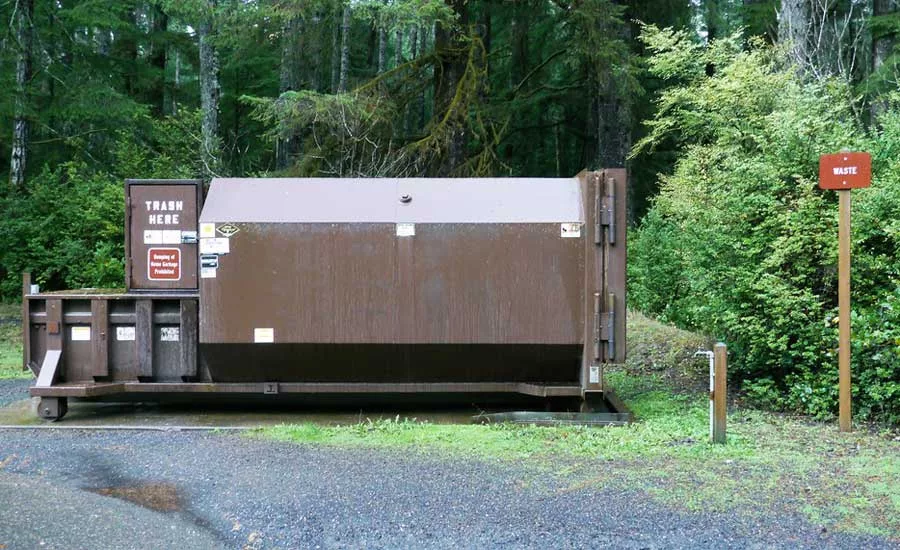
trash compactor
July 1, 2019

Here are a few safety tips to keep in mind when you choose the environmentally friendly option of disposing waste through a commercial trash compactor for your business.

A commercial trash compactor can be an excellent solution for any business that generates a large amount of waste and wants to get rid of it effectively, in an environmentally friendly manner. Here are some vital safety tips to keep in mind if you are planning on getting a trash compactor for your business.

Train your employees to use the trash compactor properly

  • One of the most important guidelines that need to be implemented when using a trash compactor is to make sure all the personnel operating it are adequately trained. Of particular interest: employees need to know how to perform an emergency stop, in case it is ever required.
  • Untrained personnel should not be allowed to operate a compactor or be in the vicinity of a compactor while it is in operation.

Use safety equipment when operating a trash compactor

Make sure a long rod or stick is available to use in moving items. This is necessary because sometimes items thrown into a trash compactor might need to be moved or shifted for a proper fit.

Know load limits

Make sure the commercial trash compactor is not overloaded, which can result in a hazardous situation or a malfunction that might be costly to repair.. It is important that the personnel operating the trash compactor knows its loading limits.

Be aware of small animals

While this should not be a problem as long as the compactor door is kept closed, a raccoon or some other animal might end up inside the compactor. Anyone who is operating the commercial trash compactor should check the device before loading it.

Perform regular repair and maintenance

Choose a good location for the compactor

It's important to keep a few considerations in mind before determining where to place the commercial trash compactor:

  • Does it need to be close to a specific storage area?
  • Is there enough space for maintenance work to be performed on the trash compactor if required?
  • Is there enough space for accessories like conveyors and chutes for the trash compactor?

If you follow these safety instructions, then using a commercial trash compactor as a waste management tool doesn't just help the environment, but it also helps with cost-cutting. Using a trash compactor is more cost-effective in the long run than sending waste to a waste management site.

KEYWORDS: workplace safety

Share This Story

Looking for a reprint of this article?
From high-res PDFs to custom plaques, order your copy today!

Lawson

Erich Lawson is passionate about saving the environment through effective recycling techniques and modern innovations. He works with Compactor Management Company and writes on a variety of topics related to recycling, including tips and advice on how balers, compactors and shredders can be used to reduce industrial waste. He loves helping businesses understand how to lower their monthly garbage bills and increase revenue from recycling.

Recommended Content

JOIN TODAY
to unlock your recommendations.

Already have an account? Sign In

  • forklift safety

    Exploring the latest technologies in forklift safety

    With more staff and more stock in warehousing now more...
    Workplace Training Strategies
    By: Josh Cramer
  • welding

    All about welder’s flash or arc eye

    A flash burn is a painful inflammation of the cornea,...
    Environmental Health and Safety
  • dangerous jobs

    The 10 most dangerous jobs in the U.S.

    On-the-job deaths have been rising — hitting the highest...
    Construction Industry Safety and Health
    By: Benita Mehta
Manage My Account
  • eMagazine Subscriptions
  • ISHN Newsletter & Other Newsletter Alerts
  • Online Registration
  • Manage My Preferences
  • Subscription Customer Service

More Videos

Sponsored Content

Sponsored Content is a special paid section where industry companies provide high quality, objective, non-commercial content around topics of interest to the ISHN audience. All Sponsored Content is supplied by the advertising company and any opinions expressed in this article are those of the author and not necessarily reflect the views of ISHN or its parent company, BNP Media. Interested in participating in our Sponsored Content section? Contact your local rep!

close
  • man wearing the the Sundström SR200 Full Face Mask Respirator
    Sponsored byOHD

    5 Fit Testing Mistakes That Could Cost You

  • This image shows Magid AcuSpex polarized blue mirrored safety glasses.
    Sponsored byMagid Glove and Safety

    Construction PPE Guide: What Crews Need for Each Task

  • lone worker in confined space
    Sponsored byAlphasense Ltd.

    GET THE LEAD OUT of your Safety Oxygen Sensors!

Popular Stories

SpaceX 7 launch

OSHA Investigating Fatal Fall at SpaceX Starbase

Automated loading dock equipment

After March 2026 Rivian Death, Safety Managers Reassess Loading Dock Systems Under OSHA's Warehouse Emphasis Program

psychology in the workplace

Most Workplaces Measure Psychological Safety, Ignoring Psychosocial Risks

top 10 most dangerous jobs

Poll

Seasonal Readiness

With the federal heat stress prevention rule on the horizon, which area of your safety program needs the most attention?
View Results Poll Archive

Products

Surviving an OSHA Audit A Management Guide, 2nd Edition

Surviving an OSHA Audit A Management Guide, 2nd Edition

See More Products

ISHN Podcasts

Related Articles

  • Safety tips from NIOSH for working in the summer heat

    See More
  • ACGIH

    ACGIH® presents the Globally Harmonized System of Classification And Labeling Of Chemicals (GHS): A comprehensive course for working with safety data sheets (SDS) webinar series

    See More
  • Five tips for working at height

    See More
×

Become a Leader in Safety Culture

Build your knowledge with ISHN, covering key safety, health and industrial hygiene news, products, and trends.

JOIN TODAY
  • RESOURCES
    • Advertise
    • Contact Us
    • Directories
    • Manufacturing Division
    • Store
    • Want More
  • SIGN UP TODAY
    • Create Account
    • eMagazine
    • Newsletters
    • Customer Service
    • Manage Preferences
  • SERVICES
    • Marketing Services
    • Reprints
    • Market Research
    • List Rental
    • Survey/Respondent Access
  • STAY CONNECTED
    • LinkedIn
    • Facebook
    • YouTube
    • X (Twitter)
  • PRIVACY
    • PRIVACY POLICY
    • TERMS & CONDITIONS
    • DO NOT SELL MY PERSONAL INFORMATION
    • PRIVACY REQUEST
    • ACCESSIBILITY

Copyright ©2026. All Rights Reserved BNP Media, Inc. and BNP Media II, LLC.

Design, CMS, Hosting & Web Development :: ePublishing