ISHN logo
search
cart
facebook twitter linkedin youtube
  • Sign In
  • Create Account
  • Sign Out
  • My Account
ISHN logo
  • NEWS
    • Today's News
    • Global Safety News
    • Government Regulations
  • PRODUCTS
    • Product Innovations
    • Featured Products
  • TOPICS
    • Environmental Health and Safety
    • Facility Safety
    • Workplace Health
    • Occupational Safety
    • PPE
    • More Topics
  • CONSTRUCTION
  • TECHNOLOGY
  • COLUMNS
    • Best Practices
    • Dave Johnson: What’s going on
    • Editorial Comments
    • Leading Safety
  • MULTIMEDIA
    • ISHN Podcast
    • Videos
    • Cold Stress Education Quiz
    • Webinars
    • White Papers
  • MORE
    • Buyer's Guide
    • Newsletters
    • Convention Companion
    • Polls
    • Events
    • ISHN Store
    • Sponsor Insights
  • EMAGAZINE
    • eMagazine
    • Archived Issues
    • Contact
    • Advertise
  • JOIN TODAY!
Today's Safety NewsOccupational SafetyEnvironmental Health and SafetyPPESafety TechnologyColumnsSafety Industry White PapersSafety & Health Best Practices Workplace Safety CultureWorkplace Training Strategies

Six must-have features to protect lone workers

Lifeline to safety
By Tae-Yeon Won
Six must-have features to protect lone workers
January 1, 2020

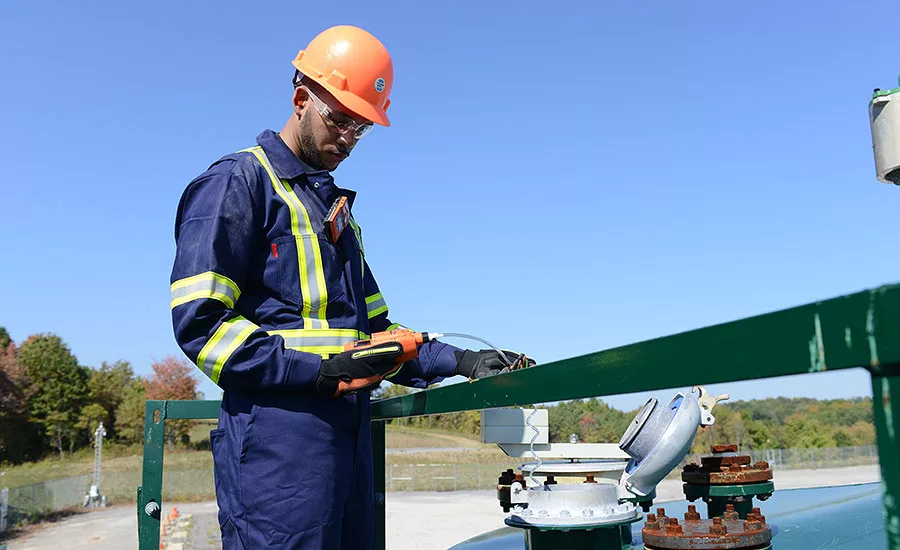
On a Tuesday afternoon, you send a maintenance contractor out to a remote station to perform a routine check on some of your equipment. Your contractor drives out to the nearest access road, parks his truck, and walks over to the site. When he gets there, his personal gas monitor alerts him to high levels of dangerous gases. He knows he should call for backup, but it could be another hour before a peer can help. This has happened before, so he thinks he can make a quick fix and get out of the cold. He silences the alarm on his monitor, bends down to start working, and is overcome by the gases. 

When you haven’t heard from the contractor by the next day, you ask around the shop. Nobody has seen him. You remember he was headed out to one of your remote stations the last time you saw him. You send someone to look for him – but by then, it’s too late. You think about who will deliver the news to the man’s family. 

Lone worker risks

Situations like this are the devastating reality for too many lone workers. Lone workers like contractors, upstream and midstream oil and gas workers, utility workers, and many more face the same hazards as their on-site peers, but they can’t rely on a coworker or a passerby to help them in an emergency. When they face danger on the job, it could be hours or even days before help arrives. The independent work that many enjoy is the very same thing that puts these workers at such a high risk. 

In some parts of the world, lone worker regulations are raising awareness that companies need to provide workers with devices that can connect them to safety resources. Protecting lone workers presents special challenges, however, even in an era of constant connectivity. Many devices, including gas detectors, have connectivity features designed to transfer information from a lone worker back to safety personnel on site. Although connectivity features are a tremendous step forward in protecting our most vulnerable employees, not all lone worker solutions deliver the protection they need. 

Features to consider

Here’s what you should look for in a lone worker device to ensure your workers have the lifeline to safety they need:

1) Integrated Solution

Many lone worker devices on the market today are one-trick ponies. They can provide GPS tracking or a panic button or a man down alert or gas detection with live monitoring – but lone workers often need all of these features in one device. The more devices you add to a worker’s gear, the more likely it is that one will be lost, left behind, or run out of power. When investing in a device to connect lone workers to safety, look for a solution that gives them all the tools they need in one package.

2) Automatic Failover Connectivity

Lone workers are often dispatched to remote areas with little to no cellular coverage. If your lone worker solution relies on cell connectivity alone, your worker will be without a lifeline at some point. When that happens, the mobile worker is truly alone, and safety personnel have no visibility into what hazards they face or where they’re located. If something were to happen, such as an H2S alarm with no response, safety personnel would not know to send help. Your lone worker device must have automatic failover connectivity through another method. Cellular and satellite are an ideal combination to ensure a worker is connected in even the most remote locations.

3) Live Monitoring and Alerts

You need live monitoring to show you where a worker is located at any given moment, but you should also expect real-time alerts. Nobody has time to constantly monitor a map of worker locations, so you should find a lone worker solution that offers instant text or email alerts to grab your attention. Those alerts should include the worker’s name, location, and reason for the alert – whether it’s a man-down alarm, panic situation, or exposure to a gas hazard.

4) Infrastructure to Connect Devices

Most lone worker devices relay live data through a gateway back to safety personnel on site. Unfortunately, some of these gateways need extra infrastructure for every few monitors. With today’s technology, you should be able to connect devices with one gateway, which could lead to thousands of dollars in cost savings.

5) Automatic Connectivity

Being a lone worker is hard, so don’t add the burden of troubleshooting connectivity issues. The best lone worker monitoring systems automatically connect devices in the field to cloud monitoring systems as soon as they’re powered on – no questions asked.

6) No Maintenance

Look for a lone worker solution with a no maintenance gateway – one that can run from a power supply like a vehicle that won’t require charging or cables. 

Looking out for the safety and well-being of your workers is a huge responsibility, but it’s one you don’t have to shoulder alone. Lone worker devices can help you avoid situations like the one presented here, so you never have to live with the regret of, “If only I had known he needed me.” 

If you choose your solution carefully, you can breathe easily knowing you have complete visibility into what your workers are experiencing, even when they’re miles away.

KEYWORDS: employee safety lone worker lone worker tracking personal safety remote worker safety technology

Share This Story

Looking for a reprint of this article?
From high-res PDFs to custom plaques, order your copy today!

Tae-Yeon Won is a product manager at Industrial Scientific.

Recommended Content

JOIN TODAY
to unlock your recommendations.

Already have an account? Sign In

  • forklift safety

    Exploring the latest technologies in forklift safety

    With more staff and more stock in warehousing now more...
    Facility Safety
    By: Josh Cramer
  • welding

    All about welder’s flash or arc eye

    A flash burn is a painful inflammation of the cornea,...
    Environmental Health and Safety
  • dangerous jobs

    The 10 most dangerous jobs in the U.S.

    On-the-job deaths have been rising — hitting the highest...
    Transportation Safety
    By: Benita Mehta
Manage My Account
  • eMagazine Subscriptions
  • ISHN Newsletter & Other Newsletter Alerts
  • Online Registration
  • Manage My Preferences
  • Subscription Customer Service

More Videos

Sponsored Content

Sponsored Content is a special paid section where industry companies provide high quality, objective, non-commercial content around topics of interest to the ISHN audience. All Sponsored Content is supplied by the advertising company and any opinions expressed in this article are those of the author and not necessarily reflect the views of ISHN or its parent company, BNP Media. Interested in participating in our Sponsored Content section? Contact your local rep!

close
  • man wearing the the Sundström SR200 Full Face Mask Respirator
    Sponsored byOHD

    5 Fit Testing Mistakes That Could Cost You

  • This image shows Magid AcuSpex polarized blue mirrored safety glasses.
    Sponsored byMagid Glove and Safety

    Construction PPE Guide: What Crews Need for Each Task

  • lone worker in confined space
    Sponsored byAlphasense Ltd.

    GET THE LEAD OUT of your Safety Oxygen Sensors!

Popular Stories

SpaceX 7 launch

OSHA Investigating Fatal Fall at SpaceX Starbase

dust explosion

Tennessee OSHA Issues Record $3.1M Fine After Deadly Explosion at Munitions Plant

roofing dangerous jobs Getty.jpg

OSHA Finds Florida Roofing Company Willfully Exposed Workers to Safety Hazards After Worker’s Fatal Fall

top 10 most dangerous jobs

Poll

Seasonal Readiness

With the federal heat stress prevention rule on the horizon, which area of your safety program needs the most attention?
View Results Poll Archive

Products

Surviving an OSHA Audit A Management Guide, 2nd Edition

Surviving an OSHA Audit A Management Guide, 2nd Edition

See More Products

ISHN Podcasts

Related Articles

  • Lone Worker

    Six Must-Have Features in a Lone Worker Device

    See More
  • protecting lone workers

    How to protect lone workers who deal with confined spaces and fall risk

    See More
  • How to protect lone workers

    See More

Related Products

See More Products
  • 1119906652.webp

    Alive and Well at the End of the Day: The Supervisor's Guide to Managing Safety in Operations, 2E

  • 0470387408.jpg

    Preparing for OSHA s Voluntary Protection Programs: A Guide to Success

  • 111885960X.jpg

    Professional Rope Access: A Guide To Working Safely at Height

See More Products

Related Directories

  • SafetyLine Lone Worker

    SafetyLine Lone Worker helps companies monitor the status of workers who are remote, alone, or working in hazardous situations. We are an automated check-in monitoring and emergency notification service. SafetyLine uses its communications infrastructure to ensure that workers have comprehensive monitoring, 24/7, without the need for costly monitoring centers.
  • Grace Industries

    How Do You Protect Your Lone Workers? Working at Heights? Check out our new WorkForce product line - Fall Detection with Immediate Notification – Prevent Suspension Trauma. Fixed Facility – No Monthly Fees. Working in the field? Check out Grace Connected Safety – Cellular and Satellite Cloud Connect
  • MSA - The Safety Co.

    WE KNOW WHAT'S AT STAKE. Unpredictable work environments are often part of the job. That's why it's critically important to have the right safety equipment at the moment it matters most. MSA's complete lines of safety solutions help protect those workers at the heart of your operation.
×

Become a Leader in Safety Culture

Build your knowledge with ISHN, covering key safety, health and industrial hygiene news, products, and trends.

JOIN TODAY
  • RESOURCES
    • Advertise
    • Contact Us
    • Directories
    • Manufacturing Division
    • Store
    • Want More
  • SIGN UP TODAY
    • Create Account
    • eMagazine
    • Newsletters
    • Customer Service
    • Manage Preferences
  • SERVICES
    • Marketing Services
    • Reprints
    • Market Research
    • List Rental
    • Survey/Respondent Access
  • STAY CONNECTED
    • LinkedIn
    • Facebook
    • YouTube
    • X (Twitter)
  • PRIVACY
    • PRIVACY POLICY
    • TERMS & CONDITIONS
    • DO NOT SELL MY PERSONAL INFORMATION
    • PRIVACY REQUEST
    • ACCESSIBILITY

Copyright ©2026. All Rights Reserved BNP Media, Inc. and BNP Media II, LLC.

Design, CMS, Hosting & Web Development :: ePublishing