ISHN logo
search
cart
facebook twitter linkedin youtube
  • Sign In
  • Create Account
  • Sign Out
  • My Account
ISHN logo
  • NEWS
    • Today's News
    • Global Safety News
    • Government Regulations
  • PRODUCTS
    • Product Innovations
    • Featured Products
  • TOPICS
    • Environmental Health and Safety
    • Facility Safety
    • Workplace Health
    • Occupational Safety
    • PPE
    • More Topics
  • CONSTRUCTION
  • TECHNOLOGY
  • COLUMNS
    • Best Practices
    • Dave Johnson: What’s going on
    • Editorial Comments
    • Leading Safety
  • MULTIMEDIA
    • ISHN Podcast
    • Videos
    • Cold Stress Education Quiz
    • Webinars
    • White Papers
  • MORE
    • Buyer's Guide
    • Newsletters
    • Convention Companion
    • Polls
    • Events
    • ISHN Store
    • Sponsor Insights
  • EMAGAZINE
    • eMagazine
    • Archived Issues
    • Contact
    • Advertise
  • JOIN TODAY!
Today's Safety NewsOccupational SafetyEnvironmental Health and SafetyColumnsSafety Industry White PapersEditorial Comments: Safety & Health | ISHNOSHA Workplace HealthWorkplace Training Strategies

Digital Exclusive

Understanding and reducing effects of stress on your health

By Kent Bradley, M.D., MPH, MBA
Understanding and reducing effects of stress on your health
May 14, 2020

Did you know that our body does not discriminate between sources of stress – it simply responds to the stress So, whether the stress is coming from an actual event – like a car nearly hitting you — or simply a thought – I wonder if I will get hit by a car someday – the body may react in a similar way. Now, in these times when there is so much uncertainty, stress can have a huge impact on our bodies.

What is the “stress response?”

In a nutshell, it is for our own survival. You see, we are geared towards survival and our minds are constantly on a threat alert. Some have called this the “fight or flight” response. I think we all know how it feels – the sudden increase in heart rate, perhaps increased respirations, all meant to prepare the body with oxygen needed to suddenly move into action. Underlying this is a shower of hormones that stimulate the body’s actions but also have impacts on other aspects of our health.

We increase the circulation of adrenaline, known as epinephrine, that activates our heart rate, but it also stimulates the release of glucose and fat from storage sites as a source of fuel. If left unchecked a second response happens that causes the release of cortisol into the blood stream. Cortisol increases the amount of glucose in our bloodstream and can stimulate hunger which can lead to eating more calories than we actually need and thus becoming overweight or obese.

What does all of this mean when we are under stress from COVID-19 worries?

Acute stress can be both helpful and harmful to our body. It can be helpful as it forces us to be vigilant in protecting ourselves and our loved ones. It can be harmful because it causes our blood pressure to rise and our heart rate to increase, and for those who have underlying cardiovascular disease, this may trigger a heart attack or stroke.

However, what is of greater concern is a state of chronic stress, such as many people are experiencing in this time of uncertainty. In this state, the body is continuously activated, resulting in elevated blood pressure and weight gain, which are factors in cardiovascular disease. Additionally, cortisol is known to reduce the production of our immune protective cells known as lymphocytes. In the acute phase, we may actually see an increase of these cells, but as we move to a more chronic state of stress the cortisol release leads us to a decrease of lymphocytes making us potentially more susceptible to ineffectively fighting off infection.

Overcoming the “stress response”

So, our perception of threat is what creates a cascade called a stress response. That response is natural IF there is an actual threat AND if momentary. However, our health, through the possible impact on weight and blood pressure, can be negatively impacted by this stress cascade if not managed well.

Focusing on reducing our stress and improving our health can be accomplished with a handful of simple practices. I call them my 6 Rs.

  1. Rest: First, get enough sleep! Adequate sleep is extremely helpful in calming down the stress response.
  2. Relaxation techniques: Deep breathing – whether done through meditation exercises or while you are doing yoga – the key is slow, intentional deep breathing!
  3. Recreation: Keep active while practicing social distancing – whether that means a walk or reading a book (something you love to do). Taking time for yourself doing something you love to do that involves some form of activity (mental or physical) is helpful!
  4. Relationships: staying connected is so important. We are meant to be in community. We may be physically isolated but that does not mean we need to lose our connections to others. Telephone or video calls can be a great way to stay connected.
  5. Routine: yup, in the midst of change why add another one. Stay consistent. Suddenly need to work from home – then get up at the same time, set up an office and work like you normally would.
  6. Reframing: reassess the perceived stress so it no longer is viewed as a threat. You may need the help of a coach to help you through the practice of first identifying why something is viewed as a threat and then placing that into a context that is helpful.
KEYWORDS: health and safety tips stress stress management

Share This Story

Looking for a reprint of this article?
From high-res PDFs to custom plaques, order your copy today!

Kent Bradley, M.D., MPH, MBA, is Chief Health and Nutrition Officer, Herbalife Nutrition.

Recommended Content

JOIN TODAY
to unlock your recommendations.

Already have an account? Sign In

  • forklift safety

    Exploring the latest technologies in forklift safety

    With more staff and more stock in warehousing now more...
    Workplace Training Strategies
    By: Josh Cramer
  • welding

    All about welder’s flash or arc eye

    A flash burn is a painful inflammation of the cornea,...
    Environmental Health and Safety
  • dangerous jobs

    The 10 most dangerous jobs in the U.S.

    On-the-job deaths have been rising — hitting the highest...
    Construction Industry Safety and Health
    By: Benita Mehta
Manage My Account
  • eMagazine Subscriptions
  • ISHN Newsletter & Other Newsletter Alerts
  • Online Registration
  • Manage My Preferences
  • Subscription Customer Service

More Videos

Sponsored Content

Sponsored Content is a special paid section where industry companies provide high quality, objective, non-commercial content around topics of interest to the ISHN audience. All Sponsored Content is supplied by the advertising company and any opinions expressed in this article are those of the author and not necessarily reflect the views of ISHN or its parent company, BNP Media. Interested in participating in our Sponsored Content section? Contact your local rep!

close
  • man wearing the the Sundström SR200 Full Face Mask Respirator
    Sponsored byOHD

    5 Fit Testing Mistakes That Could Cost You

  • This image shows Magid AcuSpex polarized blue mirrored safety glasses.
    Sponsored byMagid Glove and Safety

    Construction PPE Guide: What Crews Need for Each Task

  • lone worker in confined space
    Sponsored byAlphasense Ltd.

    GET THE LEAD OUT of your Safety Oxygen Sensors!

Popular Stories

SpaceX 7 launch

OSHA Investigating Fatal Fall at SpaceX Starbase

Worker Impairment

How to Tell When a Co-Worker is Impaired? A Safety Pro’s Challenge

Automated loading dock equipment

After March 2026 Rivian Death, Safety Managers Reassess Loading Dock Systems Under OSHA's Warehouse Emphasis Program

top 10 most dangerous jobs

Poll

Seasonal Readiness

With the federal heat stress prevention rule on the horizon, which area of your safety program needs the most attention?
View Results Poll Archive

Products

Surviving an OSHA Audit A Management Guide, 2nd Edition

Surviving an OSHA Audit A Management Guide, 2nd Edition

See More Products

ISHN Podcasts

Related Articles

  • Weather monitors

    Weather monitors gather real-time heat stress readings on your jobsite

    See More
  • Report examines health effects of cold weather (1/7)

    See More
  • Heat stress and your health

    See More

Related Products

See More Products
  • 9780849365461.jpg

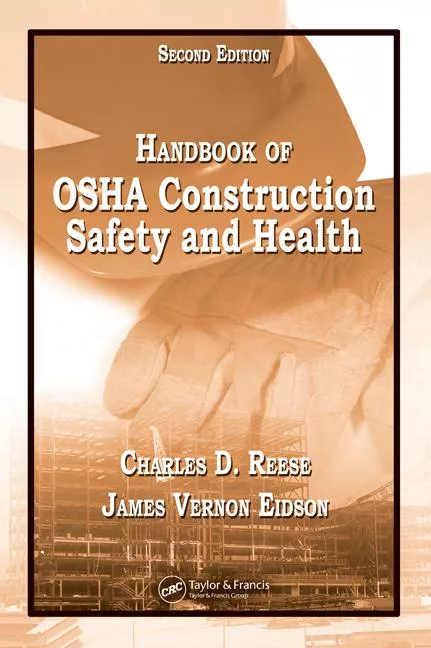
    Handbook of OSHA Construction Safety and Health, Second Edition

  • A Basic Guide to RCRA—Understanding Solid and Hazardous Waste Management, Second Edition

See More Products

Events

View AllSubmit An Event
  • March 4, 2015

    ACGIH® TLV® for Heat Stress and Strain in the Context of Heat Stress Management webinar

    While the Heat Stress and Strain TLV® is designed for exposure assessment, it exists in the context of an integrated heat stress management program. This webinar will outline the components of a heat stress management program to illustrate how the TLV® can be used for exposure assessment and the development of controls.
View AllSubmit An Event
×

Become a Leader in Safety Culture

Build your knowledge with ISHN, covering key safety, health and industrial hygiene news, products, and trends.

JOIN TODAY
  • RESOURCES
    • Advertise
    • Contact Us
    • Directories
    • Manufacturing Division
    • Store
    • Want More
  • SIGN UP TODAY
    • Create Account
    • eMagazine
    • Newsletters
    • Customer Service
    • Manage Preferences
  • SERVICES
    • Marketing Services
    • Reprints
    • Market Research
    • List Rental
    • Survey/Respondent Access
  • STAY CONNECTED
    • LinkedIn
    • Facebook
    • YouTube
    • X (Twitter)
  • PRIVACY
    • PRIVACY POLICY
    • TERMS & CONDITIONS
    • DO NOT SELL MY PERSONAL INFORMATION
    • PRIVACY REQUEST
    • ACCESSIBILITY

Copyright ©2026. All Rights Reserved BNP Media, Inc. and BNP Media II, LLC.

Design, CMS, Hosting & Web Development :: ePublishing