ISHN logo
search
cart
facebook twitter linkedin youtube
  • Sign In
  • Create Account
  • Sign Out
  • My Account
ISHN logo
  • NEWS
    • Today's News
    • Global Safety News
    • Government Regulations
  • PRODUCTS
    • Product Innovations
    • Featured Products
  • TOPICS
    • Environmental Health and Safety
    • Facility Safety
    • Workplace Health
    • Occupational Safety
    • PPE
    • More Topics
  • CONSTRUCTION
  • TECHNOLOGY
  • COLUMNS
    • Best Practices
    • Dave Johnson: What’s going on
    • Editorial Comments
    • Leading Safety
  • MULTIMEDIA
    • ISHN Podcast
    • Videos
    • Cold Stress Education Quiz
    • Webinars
    • White Papers
  • MORE
    • Buyer's Guide
    • Newsletters
    • Convention Companion
    • Polls
    • Events
    • ISHN Store
    • Sponsor Insights
  • EMAGAZINE
    • eMagazine
    • Archived Issues
    • Contact
    • Advertise
  • JOIN TODAY!
Occupational SafetyColumnsEditorial Comments: Safety & Health | ISHNGlobal Safety NewsCoronavirus Coverage

Editorial Comments

Workers must feel safe: Those going back to work are risking their lives
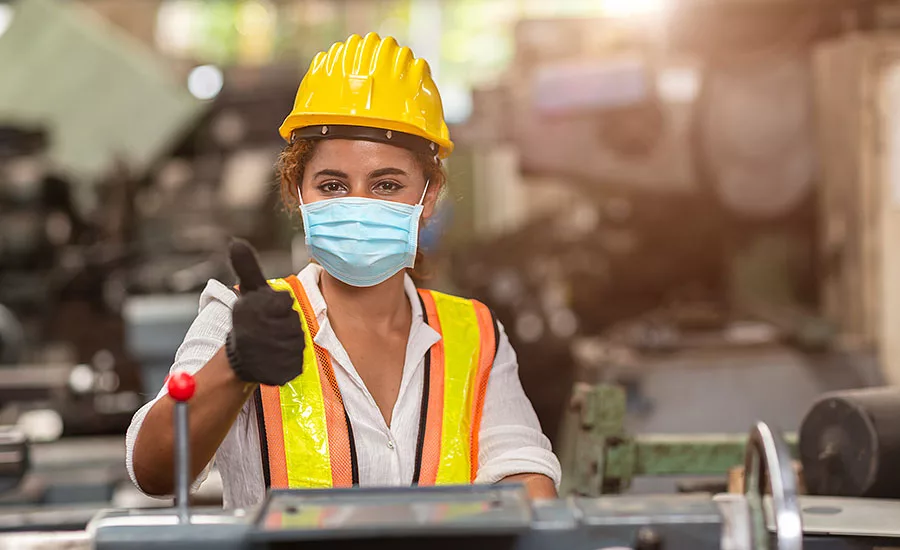
By Benita Mehta
Editorial-comments.jpg
October 14, 2020

As the U.S. has begun to reopen with the coronavirus continuing to affect the country six months after many shelter-in-place mandates developed, workers across a multitude of industries — from manufacturing plants to agriculture to meat processing — are getting sick. Unfortunately for some, it’s become a reality where earning a paycheck means risking your life.

OSHA, the federal government agency charged with enforcing workplace health and safety, has been flooded with whistleblower complaints and few states have enacted laws regarding the pandemic. So what can companies do to operate successfully while keeping their employees and customers safe from COVID-19? Requiring face coverings, implementing thorough sanitation practices, and providing paid leave for all are critical, but businesses should also take into consideration the voices of their workers themselves.

A key role

Workers have a key role to play in designing and implementing new, on-the-job health practices — and even more so when federal standards are not in place. If they aren’t able to speak up when they spot a problem, we risk prolonging this crisis, deepening the economic pain, and ultimately losing more lives.      

 A recent Bloomberg Businessweek article discusses how some companies have implemented gag orders to stop workers from talking about outbreaks within the company and/or those who have been infected with COVID-19.1

Hundreds of U.S. employers across a wide range of industries have told workers not to share information about COVID-19 cases or even raise concerns about the virus, or have retaliated against workers for doing those things, according to workplace complaints filed with the National Labor Relations Board and OSHA.

Workers at Amazon.com, Cargill, McDonald’s, and Target say they were told to keep COVID-19 cases quiet. According to Bloomberg Businessweek, there are also allegations of “gagging” in OSHA complaints against Smithfield Foods, Urban Outfitters, and General Electric. In an email viewed by Bloomberg Businessweek, Delta Air Lines told its 25,000 flight attendants to “please refrain from notifying other crew members on your own” about any COVID-19 symptoms or diagnoses. At Recreational Equipment Inc., an employee texted colleagues to say he’d tested positive and that “I was told not to tell anybody” and “to not post or say anything on social media.”

Amazon, McDonald’s, and Target have disputed the allegations. REI says it doesn’t prohibit employees from, or punish them for, raising concerns or discussing their own health. General Electric Co. says it hasn’t threatened employees for discussing COVID-related concerns, and Delta says it hasn’t punished staff for sharing diagnoses. Smithfield Foods Inc. says its policy “is the opposite of the allegations in the complaint.” Urban Outfitters Inc. says it encourages employees to report concerns and that OSHA has found no wrongdoing on its part. Cargill Inc. says it considers health information private.

There are numerous other examples in the Bloomberg Businessweek article, which says teachers are also stating to get gag orders.

How to improve?

Employer crackdowns on talking about infections could hide a new wave of COVID-19 infections and cause more deaths. Workers need to be heard and solutions must be developed. MIT research has shown2 that companies with empowered staff who have trusting, collaborative relationships with management are better at quickly identifying challenges and developing and implementing new solutions. This makes sense because workers know better than anyone how to do their jobs best, what risks they face, and how to solve problems in the workplace.

In these types of workplaces, workers may be more likely to flag unsafe conditions and propose fixes because they have received thorough training, feel valued, have open communication with management, and don’t fear retribution.

This will only happen if workers have the freedom to provide input on health practices as well as be able to alert others when someone falls sick. If colleagues are not told in a timely manner, it endangers themselves as well as their family and friends. Workers must also be protected from any retaliation for alerting management to unsafe situations or working collectively with colleagues to address them.

References

1. https://www.bloomberg.com/news/features/2020-08-27/covid-pandemic-u-s-businesses-issue-gag-rules-to-stop-workers-from-talking?sref=jmiDULpC

2. https://fortune.com/2020/08/18/workplace-safety-frontline-workers-coronavirus

KEYWORDS: OSHA regulations whistleblowers

Share This Story

Looking for a reprint of this article?
From high-res PDFs to custom plaques, order your copy today!

Benita mehta 200

Benita Mehta is chief editor of ISHN. She has been with ISHN since 2015 and has been chief editor since 2020. 

Recommended Content

JOIN TODAY
to unlock your recommendations.

Already have an account? Sign In

  • forklift safety

    Exploring the latest technologies in forklift safety

    With more staff and more stock in warehousing now more...
    Workplace Training Strategies
    By: Josh Cramer
  • welding

    All about welder’s flash or arc eye

    A flash burn is a painful inflammation of the cornea,...
    Environmental Health and Safety
  • dangerous jobs

    The 10 most dangerous jobs in the U.S.

    On-the-job deaths have been rising — hitting the highest...
    Occupational Safety
    By: Benita Mehta
Manage My Account
  • eMagazine Subscriptions
  • ISHN Newsletter & Other Newsletter Alerts
  • Online Registration
  • Manage My Preferences
  • Subscription Customer Service

More Videos

Sponsored Content

Sponsored Content is a special paid section where industry companies provide high quality, objective, non-commercial content around topics of interest to the ISHN audience. All Sponsored Content is supplied by the advertising company and any opinions expressed in this article are those of the author and not necessarily reflect the views of ISHN or its parent company, BNP Media. Interested in participating in our Sponsored Content section? Contact your local rep!

close
  • man wearing the the Sundström SR200 Full Face Mask Respirator
    Sponsored byOHD

    5 Fit Testing Mistakes That Could Cost You

  • This image shows Magid AcuSpex polarized blue mirrored safety glasses.
    Sponsored byMagid Glove and Safety

    Construction PPE Guide: What Crews Need for Each Task

  • lone worker in confined space
    Sponsored byAlphasense Ltd.

    GET THE LEAD OUT of your Safety Oxygen Sensors!

Popular Stories

SpaceX 7 launch

OSHA Investigating Fatal Fall at SpaceX Starbase

Worker Impairment

How to Tell When a Co-Worker is Impaired? A Safety Pro’s Challenge

psychology in the workplace

Most Workplaces Measure Psychological Safety, Ignoring Psychosocial Risks

top 10 most dangerous jobs

Poll

Seasonal Readiness

With the federal heat stress prevention rule on the horizon, which area of your safety program needs the most attention?
View Results Poll Archive

Products

Surviving an OSHA Audit A Management Guide, 2nd Edition

Surviving an OSHA Audit A Management Guide, 2nd Edition

See More Products

ISHN Podcasts

Related Articles

  • Helping workers with back pain get back to work

    See More
  • 3 ways to leverage close calls: Don't simply move on & get back to work

    See More
  • Bringing the injured back to work

    See More

Related Directories

  • SafetyLine Lone Worker

    SafetyLine Lone Worker helps companies monitor the status of workers who are remote, alone, or working in hazardous situations. We are an automated check-in monitoring and emergency notification service. SafetyLine uses its communications infrastructure to ensure that workers have comprehensive monitoring, 24/7, without the need for costly monitoring centers.
  • MSA - The Safety Co.

    WE KNOW WHAT'S AT STAKE. Unpredictable work environments are often part of the job. That's why it's critically important to have the right safety equipment at the moment it matters most. MSA's complete lines of safety solutions help protect those workers at the heart of your operation.
  • The Back School

    The Back School facilitates reducing work-related injuries; increasing employee productivity, safety, efficiency and job satisfaction; and reducing absenteeism.
×

Become a Leader in Safety Culture

Build your knowledge with ISHN, covering key safety, health and industrial hygiene news, products, and trends.

JOIN TODAY
  • RESOURCES
    • Advertise
    • Contact Us
    • Directories
    • Manufacturing Division
    • Store
    • Want More
  • SIGN UP TODAY
    • Create Account
    • eMagazine
    • Newsletters
    • Customer Service
    • Manage Preferences
  • SERVICES
    • Marketing Services
    • Reprints
    • Market Research
    • List Rental
    • Survey/Respondent Access
  • STAY CONNECTED
    • LinkedIn
    • Facebook
    • YouTube
    • X (Twitter)
  • PRIVACY
    • PRIVACY POLICY
    • TERMS & CONDITIONS
    • DO NOT SELL MY PERSONAL INFORMATION
    • PRIVACY REQUEST
    • ACCESSIBILITY

Copyright ©2026. All Rights Reserved BNP Media, Inc. and BNP Media II, LLC.

Design, CMS, Hosting & Web Development :: ePublishing