ISHN logo
search
cart
facebook twitter linkedin youtube
  • Sign In
  • Create Account
  • Sign Out
  • My Account
ISHN logo
  • NEWS
    • Today's News
    • Global Safety News
    • Government Regulations
  • PRODUCTS
    • Product Innovations
    • Featured Products
  • TOPICS
    • Environmental Health and Safety
    • Facility Safety
    • Workplace Health
    • Occupational Safety
    • PPE
    • More Topics
  • CONSTRUCTION
  • TECHNOLOGY
  • COLUMNS
    • Best Practices
    • Dave Johnson: What’s going on
    • Editorial Comments
    • Leading Safety
  • MULTIMEDIA
    • ISHN Podcast
    • Videos
    • Cold Stress Education Quiz
    • Webinars
    • White Papers
  • MORE
    • Buyer's Guide
    • Newsletters
    • Convention Companion
    • Polls
    • Events
    • ISHN Store
    • Sponsor Insights
  • EMAGAZINE
    • eMagazine
    • Archived Issues
    • Contact
    • Advertise
  • JOIN TODAY!
Occupational SafetyEnvironmental Health and SafetyPPE

Even low levels of noise exposure can have high consequences
By Benita Mehta
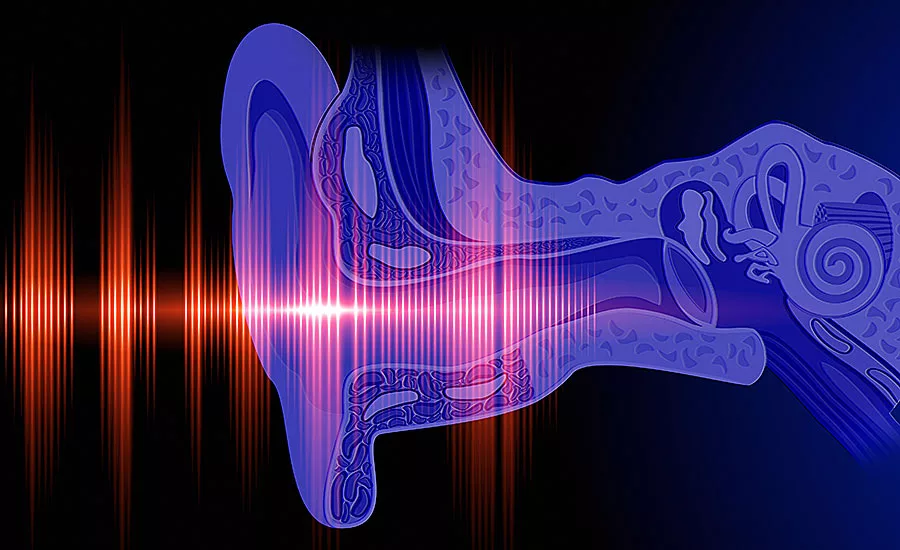
noise exposure

Credit: Getty Images

November 6, 2020

Hearing loss can't always be prevented, but hearing loss due to exposure to loud noises is completely avoidable. Even a low level of noise can be hazardous to the human ear and may have serious consequences.

There are some simple things you can do to help stop loud noises from permanently damaging your hearing, no matter how old you are.

1. Avoid loud noises

The best way to avoid noise-induced hearing loss is to keep away from loud noise as much as you can.

Generally, a noise is probably loud enough to damage your hearing if:

  • you have to raise your voice to talk to other people
  • you can't hear what people nearby are saying
  • it hurts your ears
  • you have ringing in your ears or muffled hearing afterwards
  • Noise levels are measured in decibels (dB): the higher the number, the louder the noise. Any sound over 85dB can be harmful, especially

if you're exposed to it for a long time.

To get an idea of how loud things are:

  • whispering – 30dB
  • conversation – 60dB
  • busy traffic – 70 to 85dB
  • motorbike – 90dB
  • listening to music on full volume through headphones – 100 to 110dB
  • plane taking off – 120dB

You can get smartphone apps that measure noise levels, but make sure they're calibrated properly to get a more accurate reading.

2. Take care when listening to music

Listening to loud music through earphones and headphones is one of the biggest dangers to your hearing.

To help avoid damaging your hearing:

  • use noise-cancelling earphones or headphones – don't just turn the volume up to cover up outside noise
  • turn the volume up just enough so you can hear your music comfortably, but no higher
  • don't listen to music at more than 60% of the maximum volume – some devices have settings you can use to limit the volume automatically
  • don't use earphones or headphones for more than an hour at a time – take a break for at least 5 minutes every hour

3. Protect your hearing during loud events and activities

To protect your hearing during loud activities and events (such as at nightclubs, concerts or sports events):

  • move away from sources of loud noises (such as loudspeakers)
  • try to take a break from the noise every 15 minutes
  • give your hearing about 18 hours to recover after exposure to lots of loud noise
  • consider wearing earplugs – you can buy re-usable musicians' earplugs that reduce the volume of music but don't muffle it

4. Take precautions at work

If you're exposed to loud noises through your work and are not given proper hearing protection, speak to your human resources (HR) department or manager.

Your employer is obliged to make changes to reduce your exposure to loud noise – for example, by:

  • switching to quieter equipment if possible
  • making sure you're not exposed to loud noise for long periods
  • providing hearing protection, such as ear muffs or earplugs

5. Get your hearing tested

Get a hearing test as soon as possible if you're worried you might be losing your hearing. The earlier hearing loss is picked up, the earlier something can be done about it.

You might also want to consider having regular hearing checks (once a year, for example) if you're at a higher risk of noise-induced hearing loss –if you work in noisy environments.

Forms and options of hearing protection

  • Earplugs are made from either foam or plastic and are usually intended as disposable products after single use. But there are also washable products as more cost-effective solutions.
  • Ear molds are more comfortable to wear for long periods of time, because they can be individually adjusted.
  • Clamp ear protectors (available as in-ear or on-ear products) are suitable for anyone having to or wanting remove them at frequent intervals. Whenever the wearer doesn’t need them, they can put them round their neck like a pair of headphones.
  • Earmuffs are suitable for short jobs in noisy environments. If the noise level is extreme, they can also be combined with earplugs. The lighter they are, the more pleasant they are to wear.


References

1. www.hearinglink.org

2. www.actiononhearingloss.org.uk

KEYWORDS: hearing loss hearing protection

Share This Story

Looking for a reprint of this article?
From high-res PDFs to custom plaques, order your copy today!

Benita mehta 200

Benita Mehta is chief editor of ISHN. She has been with ISHN since 2015 and has been chief editor since 2020. 

Recommended Content

JOIN TODAY
to unlock your recommendations.

Already have an account? Sign In

  • forklift safety

    Exploring the latest technologies in forklift safety

    With more staff and more stock in warehousing now more...
    Facility Safety
    By: Josh Cramer
  • welding

    All about welder’s flash or arc eye

    A flash burn is a painful inflammation of the cornea,...
    Environmental Health and Safety
  • dangerous jobs

    The 10 most dangerous jobs in the U.S.

    On-the-job deaths have been rising — hitting the highest...
    Transportation Safety
    By: Benita Mehta
Manage My Account
  • eMagazine Subscriptions
  • ISHN Newsletter & Other Newsletter Alerts
  • Online Registration
  • Manage My Preferences
  • Subscription Customer Service

More Videos

Sponsored Content

Sponsored Content is a special paid section where industry companies provide high quality, objective, non-commercial content around topics of interest to the ISHN audience. All Sponsored Content is supplied by the advertising company and any opinions expressed in this article are those of the author and not necessarily reflect the views of ISHN or its parent company, BNP Media. Interested in participating in our Sponsored Content section? Contact your local rep!

close
  • man wearing the the Sundström SR200 Full Face Mask Respirator
    Sponsored byOHD

    5 Fit Testing Mistakes That Could Cost You

  • This image shows Magid AcuSpex polarized blue mirrored safety glasses.
    Sponsored byMagid Glove and Safety

    Construction PPE Guide: What Crews Need for Each Task

  • lone worker in confined space
    Sponsored byAlphasense Ltd.

    GET THE LEAD OUT of your Safety Oxygen Sensors!

Popular Stories

SpaceX 7 launch

OSHA Investigating Fatal Fall at SpaceX Starbase

Worker Impairment

How to Tell When a Co-Worker is Impaired? A Safety Pro’s Challenge

Automated loading dock equipment

After March 2026 Rivian Death, Safety Managers Reassess Loading Dock Systems Under OSHA's Warehouse Emphasis Program

top 10 most dangerous jobs

Poll

Seasonal Readiness

With the federal heat stress prevention rule on the horizon, which area of your safety program needs the most attention?
View Results Poll Archive

Products

Surviving an OSHA Audit A Management Guide, 2nd Edition

Surviving an OSHA Audit A Management Guide, 2nd Edition

See More Products

ISHN Podcasts

Related Articles

  • Low levels of asbestos exposure linked to lung abnormalities

    See More
  • Egregious safety lapses have consequences, high or low

    See More
  • Low levels of manganese in welding fumes linked to neurological problems

    See More

Events

View AllSubmit An Event
  • September 22, 2016

    Bang! Damage from impulse noise and the effectiveness of hearing protection

    Some of the most hazardous sounds we hear are brief sounds – noises from impacts and impulses. These arise from sources like household tools, construction, industrial noise, firecrackers, guns, and even automotive airbags.
  • October 18, 2017

    ACGIH® TLV® For Audible Sound – Understanding the Proposed Notice of Intended Change to The Acgih® Tlv® for Noise

    Occupational noise exposures represent an important but under-recognized cause of disease and disability in the United States. Now titled as Audible Sound, the ACGIH® Threshold Limit Values for Physical Agents (TLV®-PA) Committee has proposed a revision to the TLV® for Noise.
View AllSubmit An Event
×

Become a Leader in Safety Culture

Build your knowledge with ISHN, covering key safety, health and industrial hygiene news, products, and trends.

JOIN TODAY
  • RESOURCES
    • Advertise
    • Contact Us
    • Directories
    • Manufacturing Division
    • Store
    • Want More
  • SIGN UP TODAY
    • Create Account
    • eMagazine
    • Newsletters
    • Customer Service
    • Manage Preferences
  • SERVICES
    • Marketing Services
    • Reprints
    • Market Research
    • List Rental
    • Survey/Respondent Access
  • STAY CONNECTED
    • LinkedIn
    • Facebook
    • YouTube
    • X (Twitter)
  • PRIVACY
    • PRIVACY POLICY
    • TERMS & CONDITIONS
    • DO NOT SELL MY PERSONAL INFORMATION
    • PRIVACY REQUEST
    • ACCESSIBILITY

Copyright ©2026. All Rights Reserved BNP Media, Inc. and BNP Media II, LLC.

Design, CMS, Hosting & Web Development :: ePublishing