ISHN logo
search
cart
facebook twitter linkedin youtube
  • Sign In
  • Create Account
  • Sign Out
  • My Account
ISHN logo
  • NEWS
    • Today's News
    • Global Safety News
    • Government Regulations
  • PRODUCTS
    • Product Innovations
    • Featured Products
  • TOPICS
    • Environmental Health and Safety
    • Facility Safety
    • Workplace Health
    • Occupational Safety
    • PPE
    • More Topics
  • CONSTRUCTION
  • TECHNOLOGY
  • COLUMNS
    • Best Practices
    • Dave Johnson: What’s going on
    • Editorial Comments
    • Leading Safety
  • MULTIMEDIA
    • ISHN Podcast
    • Videos
    • Cold Stress Education Quiz
    • Webinars
    • White Papers
  • MORE
    • Buyer's Guide
    • Newsletters
    • Convention Companion
    • Polls
    • Events
    • ISHN Store
    • Sponsor Insights
  • EMAGAZINE
    • eMagazine
    • Archived Issues
    • Contact
    • Advertise
  • JOIN TODAY!
Environmental Health and SafetyFacility SafetyIndustrial HygieneCoronavirus CoverageOil and Gas Industry Safety & Health

H2O2 gas detectors are critical after VPH
By Rick Pedley
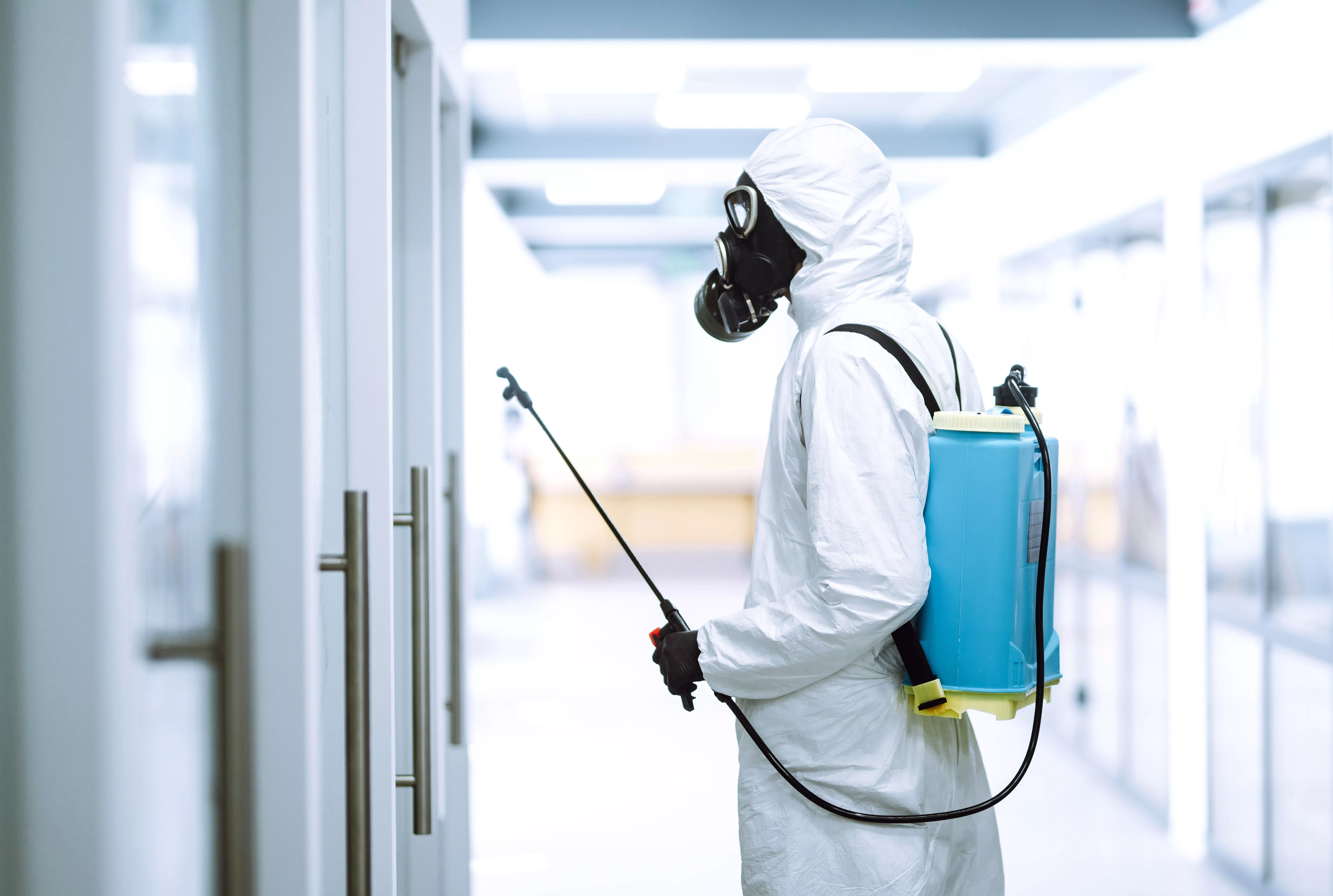
Industrial sprayer
January 7, 2021

The coronavirus pandemic has changed the way we look at indoor spaces. The virus can easily spread in schools, hospitals, office buildings, confined areas, and those with poor ventilation. Bacteria containing the virus can live on inanimate surfaces for up to 72 hours. When bringing workers onsite, business owners and managers need to make sure the interior is free of bacteria that could lead to the spread of the virus.

The VPH process

Many business owners will use vaporized hydrogen peroxide (VPH) to disinfect various work environments, particularly those that are designed for prolonged human occupancy. This is one of the fastest and most reliable ways to decontaminate indoor areas.

To administer the VPH, safety professionals will use a generator to first dehumidify the area in question. The machine will then send aqueous vaporized hydrogen peroxide over a vaporizer to distribute the chemical throughout the air. The generator will circulate the VPH based on the user’s desired concentration. During this time, the vaporized mist will kill coronavirus bacteria in a matter of seconds. The generator will then suck up as much VPH as possible to return the space to its original condition.

This is often much more efficient and reliable than wiping down individual surfaces with disinfectant wipes. Every surface in the room will be treated with the same chemicals for lasting protection and peace of mind. VPH is a common choice for those that need to decontaminate large spaces as quickly as possible. It’s also a good choice for spaces that need to be treated regularly; however, managers need to get in the habit of checking for any VPH that may be lingering in the air.

The dangers of hydrogen peroxide

Using VPH in the workplace can be a hazard to employees if it’s not fully removed from the area  either by being vented to the outside air or recaptured. According to the Centers for Disease Control and Prevention, workers exposed to vaporized hydrogen peroxide may suffer from respiratory irritation, sore throat, watery eyes, skin irritation, and internal organ damage. VPH is a safe, reliable way to remove disease-causing bacteria, but employees need to make sure the area is free from hydrogen peroxide before bringing their employees back onsite.

Hydrogen peroxide is a colorless, odorless gas that can be nearly impossible to detect without an H202 gas monitor. Employers can use these gas detectors to make sure the work environment is safe for human occupancy once the space has been treated with VPH.

Using H202 gas monitors

A manager or safety inspector should install an H202 monitor inside the office or work area to prevent possible exposure to hydrogen peroxide. The monitor will issue an alarm if there is too much VPH in the air. The employer can then take additional steps to air out the work environment before bringing workers back into the building, such as installing air filters or opening the window.

The manager can then use the gas detector to make sure the VPH has been removed from the area in question, so their workers can return to the office with more peace of mind.

Workers can also use wearable, portable H202 gas monitors when entering a confined space or working in the field. This is a great choice for first responders, utility workers, and maintenance crews. The monitor clips right onto their belt or hand held while keeping on the job. The monitor will issue a warning when there is too much hydrogen peroxide in the air, so the person can either put on a respirator or leave the contaminated area as quickly as possible.

Vaporized hydrogen peroxide can easily linger in corners, confined spaces, and other poorly ventilated areas. Managers should install a series of detectors in the space if they have a lot of room to cover. This ensures all areas are safe for human occupancy.

Businesses will need to keep records of their safety information as we continue to live with this virus. If an infection or injury should occur, the owner will have to prove they did everything they could to prevent the spread of the coronavirus, while keeping their workers safe from hydrogen peroxide. H202 gas monitors with built in data logging help business owners stay on top of this important safety information.

Getting used to the coronavirus

Running a business in the age of COVID-19 has been a challenge for many businesses and organizations. Managers now find themselves having to deal with a range of hazards and health concerns they never thought possible. VPH can help business owners resume their operations as quickly as possible after a possible outbreak or long periods of limited activity. It’s a highly efficient and cost-effective way to decontaminate the workplace regularly.

However, using VPH requires additional safety measures. Installing H202 monitors is an easy way to prevent possible exposure to hydrogen peroxide. Workers can go about their business without having to worry about getting infected with the coronavirus or breathing in particles that could be hazardous to their health. Managers can also quickly disinfect their property without leaving anything to chance.

Companies should choose H202 monitors based on the nature of their workplace and the job at hand. If workers are constantly moving from one location to another, it’s best to go with wireless, portable gas monitors. Installing monitors on the wall is a great choice for offices, conference rooms, and meeting places. Preventing the spread of the coronavirus has become top-of-mind for many business owners, but they can’t afford to overlook the dangers of hydrogen peroxide.

H202 monitors have an important role to play as various industries try to resume their operations. We’re still a long way from putting this virus to bed. Until then, everyone should be able to earn a living and go to work without fearing for their health and safety.

KEYWORDS: cleaning gas monitoring ventilation

Share This Story

Looking for a reprint of this article?
From high-res PDFs to custom plaques, order your copy today!

Rick Pedley, PK Safety’s President and CEO, joined the family business in 1979. PK Safety, a supplier of occupational safety and personal protective equipment, has been operating since 1947 and takes OSHA, ANSI, PPE and CSA work safety equipment seriously. Visit pksafety.com.

Recommended Content

JOIN TODAY
to unlock your recommendations.

Already have an account? Sign In

  • forklift safety

    Exploring the latest technologies in forklift safety

    With more staff and more stock in warehousing now more...
    Workplace Training Strategies
    By: Josh Cramer
  • welding

    All about welder’s flash or arc eye

    A flash burn is a painful inflammation of the cornea,...
    Environmental Health and Safety
  • dangerous jobs

    The 10 most dangerous jobs in the U.S.

    On-the-job deaths have been rising — hitting the highest...
    Occupational Safety
    By: Benita Mehta
Manage My Account
  • eMagazine Subscriptions
  • ISHN Newsletter & Other Newsletter Alerts
  • Online Registration
  • Manage My Preferences
  • Subscription Customer Service

More Videos

Sponsored Content

Sponsored Content is a special paid section where industry companies provide high quality, objective, non-commercial content around topics of interest to the ISHN audience. All Sponsored Content is supplied by the advertising company and any opinions expressed in this article are those of the author and not necessarily reflect the views of ISHN or its parent company, BNP Media. Interested in participating in our Sponsored Content section? Contact your local rep!

close
  • man wearing the the Sundström SR200 Full Face Mask Respirator
    Sponsored byOHD

    5 Fit Testing Mistakes That Could Cost You

  • This image shows Magid AcuSpex polarized blue mirrored safety glasses.
    Sponsored byMagid Glove and Safety

    Construction PPE Guide: What Crews Need for Each Task

  • lone worker in confined space
    Sponsored byAlphasense Ltd.

    GET THE LEAD OUT of your Safety Oxygen Sensors!

Popular Stories

SpaceX 7 launch

OSHA Investigating Fatal Fall at SpaceX Starbase

Worker Impairment

How to Tell When a Co-Worker is Impaired? A Safety Pro’s Challenge

Automated loading dock equipment

After March 2026 Rivian Death, Safety Managers Reassess Loading Dock Systems Under OSHA's Warehouse Emphasis Program

top 10 most dangerous jobs

Poll

Seasonal Readiness

With the federal heat stress prevention rule on the horizon, which area of your safety program needs the most attention?
View Results Poll Archive

Products

Surviving an OSHA Audit A Management Guide, 2nd Edition

Surviving an OSHA Audit A Management Guide, 2nd Edition

See More Products

ISHN Podcasts

Related Articles

  • gas detectors

    Rented, pre-owned or leased gas detectors are cost-efficient

    See More
  • Wearing portable gas detectors Place detectors in the breathing zone

    Wearing portable gas detectors: Place detectors in the breathing zone

    See More
  • gas detection

    How to Customize Gas Detectors for Optimal Safety in the Oil and Gas Industry

    See More

Related Products

See More Products
  • industrial hy.jpg

    Industrial Hygiene: Improving Worker Health through an Operational Risk Approach

See More Products

Events

View AllSubmit An Event
  • Gas Detectors: The most common mistakes people make when using atmospheric monitors

    Learn the most common mistakes people make when using atmospheric monitors. Join Bob Henderson from GFG Instrumentation for this educational webinar.
View AllSubmit An Event

Related Directories

  • CO2Meter

    Since 2006, CO2Meter has been a trusted leader in gas detection, monitoring, and analytical solutions designed to protect people, facilities, and processes across critical industries. Our mission is simple to make invisible gases visible through reliable, accurate, and compliant gas detection safety solutions. From carbon dioxide to oxygen deficiency, combustible, toxic, and refrigerant gases, CO2Meter delivers innovative gas safety devices that help organizations meet OSHA, NFPA, and local fire code requirements while safeguarding worker health and environmental integrity. Our portfolio includes fixed and portable gas detection systems, multi-gas sampling data loggers, and industrial monitoring solutions engineered for EHS programs, laboratory safety, manufacturing, food and beverage, cryogenics, and life sciences applications.
×

Become a Leader in Safety Culture

Build your knowledge with ISHN, covering key safety, health and industrial hygiene news, products, and trends.

JOIN TODAY
  • RESOURCES
    • Advertise
    • Contact Us
    • Directories
    • Manufacturing Division
    • Store
    • Want More
  • SIGN UP TODAY
    • Create Account
    • eMagazine
    • Newsletters
    • Customer Service
    • Manage Preferences
  • SERVICES
    • Marketing Services
    • Reprints
    • Market Research
    • List Rental
    • Survey/Respondent Access
  • STAY CONNECTED
    • LinkedIn
    • Facebook
    • YouTube
    • X (Twitter)
  • PRIVACY
    • PRIVACY POLICY
    • TERMS & CONDITIONS
    • DO NOT SELL MY PERSONAL INFORMATION
    • PRIVACY REQUEST
    • ACCESSIBILITY

Copyright ©2026. All Rights Reserved BNP Media, Inc. and BNP Media II, LLC.

Design, CMS, Hosting & Web Development :: ePublishing