Stay on top of training requirements to maximize safety skills
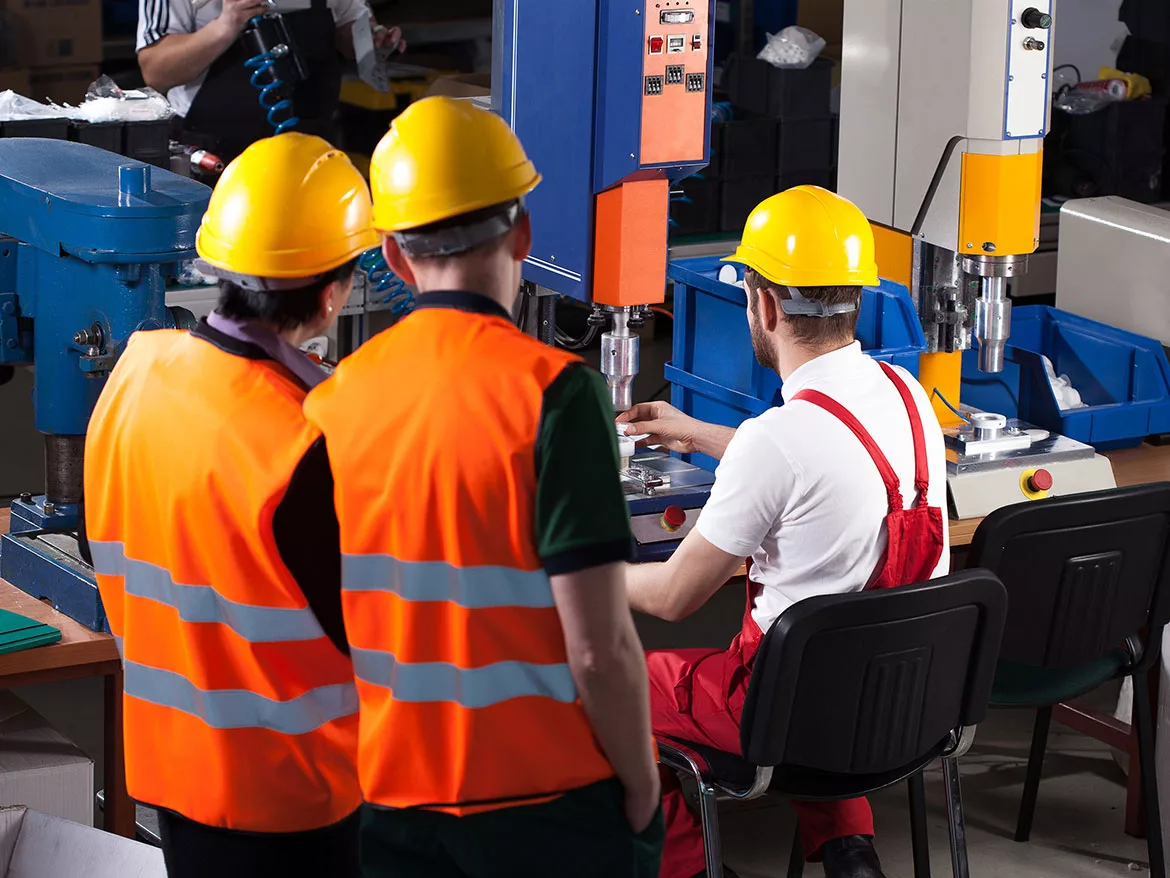
Safety training should be more than just a one-time exercise. Professional safety inspectors should never stop learning.
As new technology and processes come online, companies need to ensure safety professionals have the tools and insight they need to prevent accidents and injuries on the job. New techniques and trends are changing the field for the better in more ways than one. Discover the importance of ongoing safety training and how it can improve working conditions over time.
Training and recruiting safety professionals
Finding a qualified, experienced safety inspector isn’t always easy. Many professionals do not have proper safety training. They may have learned how to keep workers safe in the field without taking an official class or pursuing a degree. Others have only learned in the classroom, making it difficult for them to enact meaningful change in the field.
When hiring a safety professional, companies need to ensure they train this person before putting them in the field, regardless of how much experience they have under their belt. Every job or worksite is unique. Teams should give the new safety professionals time to acclimate themselves to new working conditions and familiarize themselves with the company’s processes and scope of operations.
Those that have received their training in school or from a course will need more time to apply their knowledge in the field: Some programs do a better job of preparing graduates for the real thing than others. Do not assume that this person has the training they need to prevent real-life accidents.
As for those that learned from observing in the field, these inspectors may be lacking in certain areas. They may have been trained on a specific job site or work area, limiting their ability to prevent accidents in new settings.
Safety professionals come and go but replacing inspectors can be a steep challenge. Companies should create a sustainable pipeline of talent by training existing personnel on the ins and outs of workplace safety. These workers can learn over time by observing senior safety inspectors in the field. This gives workers the chance to pursue a new specialty and move up within the ranks if they show a knack for keeping workers safe.
Continuing education for safety professionals
Doctors, scientists, and engineers all participate in continuing education (CE), and safety inspectors are no exception. CE is crucial to making sure these professionals stay at the top of their game. The stakes are higher when it comes to saving lives and preventing workplace injuries. That’s why safety inspectors should sign up for CE courses on a regular basis. These classes often focus on the latest technology, emerging trends in the field, and other must-know information that could change how safety is administered onsite.
The construction, utility, engineering, and architectural industries continue to evolve at lightning speed. Companies are always looking for ways to increase efficiency without sacrificing safety. New safety equipment and technology continue to change the game for the better. But safety inspectors need to stay one step ahead of these trends by taking part in CE courses. These classes help inspectors acclimate themselves and adjust their approach based on what’s happening in the field.
Researchers and regulators also have a responsibility to research the latest trends and findings in the worker safety industry. Government organizations continuously update their rules and regulations to make sure companies are doing everything they can to keep workers safe. Safety inspectors can use CE classes to learn about these new rules before they take effect, so companies don’t have to worry about falling behind on the times or getting hit with a fine.
Despite all these precautions, hundreds of workers continue to die or get injured on the job every year. Safety professionals should research these incidents, so they can find out what went wrong and how they can prevent these accidents from happening again. But this shouldn’t be limited to what’s happening around them. Safety professionals should go out of their way to research accidents reported in the field, even if they occur hundreds of miles away.
Emphasis and safety leadership
Being a safety inspector isn’t always easy. They must communicate the latest rules and regulations to the rest of the team. However, workers won’t listen to what the safety manager has to say if they don’t respect the manager as a leader.
Companies need to make sure they are empowering safety leaders on the job by deferring to them when necessary. The safety manager should have authority on the job when making decisions and issuing guidelines. Creating trust between the safety inspector and the rest of the team takes time. The safety inspector should exhibit ethical, responsible behavior, while recognizing the needs of individual workers. They should also encourage their co-workers to ask questions and engage in safety training sessions.
OSHA’s National Safety Stand-Down Week during the month of May encourages employers to talk to workers about preventing falls in construction and safety in general. But it shouldn’t end when the week is over. Continue to build awareness throughout the year and make sure workers remain safe by having open talks and activities focused around job-specific hazards, safety equipment inspections, and rescue plan development.
Workers often look to managers and supervisors in terms of how to act. Senior staff should respect the safety inspector’s authority onsite to make sure other workers follow suit. They should never try to discredit or make a joke out of the situation when lives could be at stake.
Safety professionals should also demonstrate a passion for keeping people out of harm’s way. They should always be challenging and looking for ways to improve the process, instead of just leaning on the status quo. Workplace safety can change on a dime. A safety manager’s work is never done. Continuing education is key to preventing workplace accidents and mishaps. A little bit of extra training from time to time can make a world of difference.
From construction to engineering and first responders, use this approach to keep safety managers at the top of their game.
Looking for a reprint of this article?
From high-res PDFs to custom plaques, order your copy today!


