ISHN logo
search
cart
facebook twitter linkedin youtube
  • Sign In
  • Create Account
  • Sign Out
  • My Account
ISHN logo
  • NEWS
    • Today's News
    • Global Safety News
    • Government Regulations
  • PRODUCTS
    • Product Innovations
    • Featured Products
  • TOPICS
    • Environmental Health and Safety
    • Facility Safety
    • Workplace Health
    • Occupational Safety
    • PPE
    • More Topics
  • CONSTRUCTION
  • TECHNOLOGY
  • COLUMNS
    • Best Practices
    • Dave Johnson: What’s going on
    • Editorial Comments
    • Leading Safety
  • MULTIMEDIA
    • ISHN Podcast
    • Videos
    • Cold Stress Education Quiz
    • Webinars
    • White Papers
  • MORE
    • Buyer's Guide
    • Newsletters
    • Convention Companion
    • Polls
    • Events
    • ISHN Store
    • Sponsor Insights
  • EMAGAZINE
    • eMagazine
    • Archived Issues
    • Contact
    • Advertise
  • JOIN TODAY!
Today's Safety NewsFacility SafetySafety TechnologyWorkplace Training Strategies

How to implement automation with worker safety in mind
By Jane Marsh
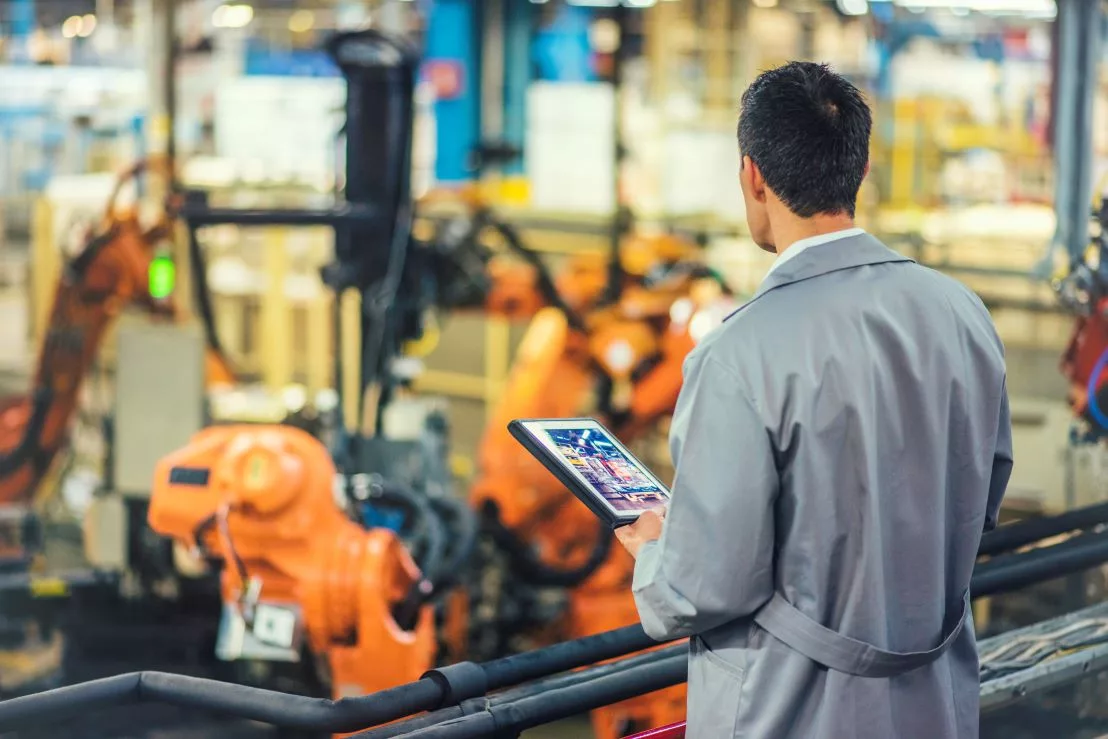
Industrial Automation

Credit: Getty Images

June 20, 2023

More manufacturers are turning to automation amid ongoing labor shortages and pressure to maximize productivity. While it has many advantages, these machines can pose risks if manufacturers are not careful. Businesses must implement automation with worker safety in mind to capitalize on it fully.


Perform a risk assessment

Manufacturers should start by understanding their unique workplace hazards and any new ones automation may introduce. That means compiling a formal list of these risks and assigning each a score based on their likelihood and severity.

OSHA cites failure to identify hazards as one of the root causes of workplace injuries. Performing a detailed risk assessment will inform safer automation by showing where robots may improve workplace safety and where they may threaten it. This insight is critical to taking effective corrective measures.


Consider how automation may improve safety

With this hazard assessment in hand, manufacturers can find areas to boost safety through automation. Automation can reduce manufacturing injuries by up to 72% under the right circumstances, often by performing the most dangerous processes so humans do not need to. Consequently, manufacturers should aim to automate these workflows first.

Use the risk assessment to find the facility’s most dangerous workflows. Compare these to automation’s skillset — generally, anything highly repetitive or intensely physical. Processes that fall into both categories are ideal starting points for automation.


Automate slowly and carefully

Once manufacturers decide on an appropriate automation solution, they should approach it with care. Robotic solutions are expensive and often initially disruptive to implement, so a rushed process can create higher-than-expected losses and pose unnecessary risks.

Start by automating one process or workflow, then carefully observe all results. Record what workplace safety factors improve as well as any new incidents that occur. These documents will help inform a safer, more effective rollout when adding more automation into the facility.


Create safety barriers

As businesses automate more workflows, they should place barriers between robotic systems and human employees. Because these machines often work at high speeds, include many moving parts and may involve heavy components, they can produce many physical risks to nearby workers. Their high power may also pose hazards, as even low-voltage equipment can cause arrhythmia or heart attacks if the currents run through workers’ hearts.

The safest way to approach these hazards is to create physical barriers between hazardous machines and workers. On top of physical stopgaps, manufacturers should implement protections like emergency shutoff switches and lockout/tagout procedures.


Maintain automated equipment

Maintenance is another crucial step in reducing robot-related hazards. Regular maintenance prevents equipment failures that cause injuries or introduce new risks. Similarly, it will reduce the chances of errors that disrupt workers and cause unnecessary stress, heightening other hazards.

Regular preventive checks and repairs based on OEM’s recommendations are an excellent place to start for most machines. For more sensitive or mission-critical equipment, manufacturers should enable predictive maintenance. This approach uses sensors to alert workers when a machine needs repair, dramatically reducing downtime and error prevention.


Train workers thoroughly

Finally, manufacturers should ensure their workforce is ready for the new, automated workflow. Businesses should train employees thoroughly on how to work with and around these machines. This training should begin before implementing any robotics so workers are ready for the shift.

Thorough, early training will minimize the risks of the new system disrupting or distracting workers. Because almost all workplace incidents involve human error, this preparation will yield substantial safety improvements.


Automation can improve safety with the right approach

A reckless approach to automation can endanger workers, but thoughtful, careful automation will have the opposite effect. If manufacturers can understand this technology’s impact on workplace safety and implement it accordingly, they can use it to reduce accidents.

Following these steps will help manufacturers embrace automation while minimizing safety-related risks. They can then make the most of what this technology has to offer
KEYWORDS: automation equipment safety manufacturing

Share This Story

Looking for a reprint of this article?
From high-res PDFs to custom plaques, order your copy today!

Jane covers topics in green technology and manufacturing. She also works as the Editor-in-Chief of Environment.co.

Recommended Content

JOIN TODAY
to unlock your recommendations.

Already have an account? Sign In

  • forklift safety

    Exploring the latest technologies in forklift safety

    With more staff and more stock in warehousing now more...
    Workplace Training Strategies
    By: Josh Cramer
  • welding

    All about welder’s flash or arc eye

    A flash burn is a painful inflammation of the cornea,...
    Environmental Health and Safety
  • dangerous jobs

    The 10 most dangerous jobs in the U.S.

    On-the-job deaths have been rising — hitting the highest...
    Construction Industry Safety and Health
    By: Benita Mehta
Manage My Account
  • eMagazine Subscriptions
  • ISHN Newsletter & Other Newsletter Alerts
  • Online Registration
  • Manage My Preferences
  • Subscription Customer Service

More Videos

Sponsored Content

Sponsored Content is a special paid section where industry companies provide high quality, objective, non-commercial content around topics of interest to the ISHN audience. All Sponsored Content is supplied by the advertising company and any opinions expressed in this article are those of the author and not necessarily reflect the views of ISHN or its parent company, BNP Media. Interested in participating in our Sponsored Content section? Contact your local rep!

close
  • man wearing the the Sundström SR200 Full Face Mask Respirator
    Sponsored byOHD

    5 Fit Testing Mistakes That Could Cost You

  • This image shows Magid AcuSpex polarized blue mirrored safety glasses.
    Sponsored byMagid Glove and Safety

    Construction PPE Guide: What Crews Need for Each Task

  • lone worker in confined space
    Sponsored byAlphasense Ltd.

    GET THE LEAD OUT of your Safety Oxygen Sensors!

Popular Stories

SpaceX 7 launch

OSHA Investigating Fatal Fall at SpaceX Starbase

Worker Impairment

How to Tell When a Co-Worker is Impaired? A Safety Pro’s Challenge

Automated loading dock equipment

After March 2026 Rivian Death, Safety Managers Reassess Loading Dock Systems Under OSHA's Warehouse Emphasis Program

top 10 most dangerous jobs

Poll

Seasonal Readiness

With the federal heat stress prevention rule on the horizon, which area of your safety program needs the most attention?
View Results Poll Archive

Products

Surviving an OSHA Audit A Management Guide, 2nd Edition

Surviving an OSHA Audit A Management Guide, 2nd Edition

See More Products

ISHN Podcasts

Related Articles

  • Enjoy the holiday season with fire safety in mind

    See More
  • NIOSH announces March 3rd public meeting in NYC on how to implement the James Zadroga 9/11 Health and Compensation Act of 2010 (2/23)

    See More
  • Cleaning

    How to implement proper cleaning and sanitation as companies get back to business

    See More

Related Products

See More Products
  • Top Ten Pitfalls in OSHA Recordkeeping and How to Avoid Them

  • 1119906652.webp

    Alive and Well at the End of the Day: The Supervisor's Guide to Managing Safety in Operations, 2E

See More Products

Related Directories

  • SafetyLine Lone Worker

    SafetyLine Lone Worker helps companies monitor the status of workers who are remote, alone, or working in hazardous situations. We are an automated check-in monitoring and emergency notification service. SafetyLine uses its communications infrastructure to ensure that workers have comprehensive monitoring, 24/7, without the need for costly monitoring centers.
×

Become a Leader in Safety Culture

Build your knowledge with ISHN, covering key safety, health and industrial hygiene news, products, and trends.

JOIN TODAY
  • RESOURCES
    • Advertise
    • Contact Us
    • Directories
    • Manufacturing Division
    • Store
    • Want More
  • SIGN UP TODAY
    • Create Account
    • eMagazine
    • Newsletters
    • Customer Service
    • Manage Preferences
  • SERVICES
    • Marketing Services
    • Reprints
    • Market Research
    • List Rental
    • Survey/Respondent Access
  • STAY CONNECTED
    • LinkedIn
    • Facebook
    • YouTube
    • X (Twitter)
  • PRIVACY
    • PRIVACY POLICY
    • TERMS & CONDITIONS
    • DO NOT SELL MY PERSONAL INFORMATION
    • PRIVACY REQUEST
    • ACCESSIBILITY

Copyright ©2026. All Rights Reserved BNP Media, Inc. and BNP Media II, LLC.

Design, CMS, Hosting & Web Development :: ePublishing