Emerging Hazards and Innovative Solutions for Water Utility Worker Safety
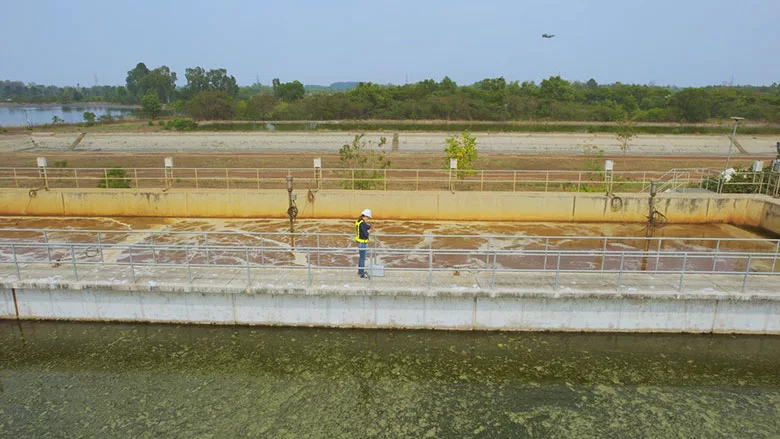
Every day, more than 30 billion gallons of wastewater is cleaned and processed across the United States for businesses and communities. And there are thousands of professionals working at water treatment facilities and throughout various municipalities, making sure that clean, flowing water is accessible to all such as water utility workers who play vital roles including operating and monitoring treatment plants, monitoring and regularly testing public water quality and safety, or maintaining important infrastructure like water pumps for schools and businesses; without them, we would not have clean water to drink and use.
It is ironic that these workers who help keep the nation’s water supply safe are also compromising their safety in doing so. What is so concerning is that many of the occupational hazards they face are hidden and unseen, with new safety risks continuing to appear and bubble to the surface for people in the industry.
The purpose of this article is to highlight the hidden and emerging safety hazards that water utility workers can potentially face, as well as present effective strategies that address the holistic triad of physical, psychological, and environmental safety risks.
Emerging occupational hazards in the water utilities industry
On a regular basis, water utility workers can potentially face diverse spectrum of safety hazards that range from slips and falls on wet surfaces to invisible biological hazards, waterborne pathogens and life-threatening viruses such as hepatitis A and E, polio, and norovirus.
But there are also several emerging safety risks that are not as commonly recognized but deserve as much attention as the more common hazards, if not more, in some cases — such as environmental and psychological stressors. In some cases, these hazards may overlap with the more common work hazards like biological hazards.
Urban infrastructure challenges
Travelling into urban areas, these workers can experience specific challenges working alone in confined spaces, traffic issues, as well as aging and collapsing structures and tanks — all of which present their own unique safety hazards and risks the employer must deal with.
Water entrapment risks
Utility workers inspecting and repairing storm pipes, culverts or canals can be trapped and pinned within these structures, especially during after heavy rain fall; or they fall into enclosed bodies of water and drown. Water entrapment can be the result of sudden river flooding (which is increasing), trench collapses, and sudden water surges.
Biological and chemical risks
Those who know the water utility industry will understand that workers must face the risk of chemical and biological hazards — or biohazards — within the water they work around. But water utility workers are experiencing high exposures to particular chemical hazards like hydrogen sulfide which killed a utility worker and his wife when he was checking on a water pump. They are also experiencing higher exposures to per- and polyfluoroalkyl substances (PFAs), which is highlighted as a major concern in the American Water Works Association’s (AWWA) 2025 State of the Water Industry Report.
Water utility workers are becoming exposed to more external pressures including extreme climate variability, extreme temperatures and heat.
Climate, environmental and psychological stressors
Water utility workers are becoming exposed to more external pressures including extreme climate variability, extreme temperatures and heat, as well as added emotional stress from work shortages and an aging workforce with insufficient recruitment of young workers also identified as one of the major emerging challenges in the AWWA’s report.
Overlooked hazards
Additionally, there are several hazards that are often overlooked, but are definitely worth mentioning.
Low-level chronic chemical exposure
Working around toxic chemicals for long periods of time can lead to health problems like respiratory effects from exposure. Over time, disinfection chemicals, disinfection byproducts (DBPs) and treatment additives can create long-term health issues.
Noise-induced hearing loss
Also over long periods of time, utility workers can be exposed to subtle, damaging noises, slowing creating hearing loss if not provided the proper PPE and hearing protection.
Vector-borne diseases
These types of diseases are most commonly associated with exposure to mosquitoes, ticks, and rodents. However, they are also presenting this new risk to workers who can be bitten while working in the woods – particularly the risk of tick-borne diseases – as well as vector-borne diseases increasing in urban “green” centers and areas in the United States.
Increased public interaction
There is also more public interaction between water utility workers because they typically are the first contact when a problem arises. Also in this digital age, customers expect quick answers and personalized service, which often falls to utility field staff, not just call centers. Psychological stress can result from public interactions because workers may face verbal abuse or threats from frustrated residents during service disruptions.
Hazards when working alone
In addition to working alone in confined spaces and structures like tanks and tunnels, water utility workers are frequently travelling and mobile, alone, and isolated, without direct supervision. These unique circumstances can present unique safety hazards and challenges that include:
- Delayed rescue or long emergency response times can turn minor work incidents into major, life-threatening crises.
- Serious safety and health issues can be missed when not monitored remotely through technologies, devices, or check-in protocols.
- Lone workers experience increased stress and psychological strain during and following hostile encounters with clients and the public, or medical emergencies.
The Triad of Safety — A holistic framework: physical, psychological, and environmental
With such a range of different serious hazards to deal with, maintaining the safety of a mobile team of water utility workers can be a challenge – in addition to maintaining compliance with local safety legislation and regulations. However, it is a very feasible challenge with some planning around the three key areas of safety.
1. Physical safety
The first focus is on the physical safety of water utility work, which entails providing proper PPE, safety training, and safety protocols based on hazard assessments of the physical work environment.
2. Psychological safety
Equally as important, the psychological safety of the employees can be proactively protected through resources such as mental health support programs and lone worker monitoring programs; it is a common myth that lone worker safety is completely about physical danger.
3. Environmental safety
Environmental safety includes all external factors and considerations for the person. This can entail climate and weather, air and water quality monitoring, ergonomic tools, and safe worksite design.
Innovative solutions and best practices
These areas are best approached with current safety technologies and platforms, regular training and education, as well as strong safety policies and a solid culture around it.
Technology integration
There are a number of options for safety technologies beneficial to water utility workers, including safety apps, fall detection wearables, advanced GPS monitoring, and lone worker technology which help protect workers in this industry in different ways.
Training and education
Provide regular safety training sessions and the team and culture will benefit. Depending on the organization structure, consider both in-person and online options, which boost safety and engagement throughout the company.
Policy and culture
Start with a strong safety policy that’s developed by leadership and that openly supports a safety-first culture; leadership commitment is important. Create a strong safety culture by encouraging hazard and risk reporting.
Big picture safety will require comprehensive water utility worker safety
While strong occupational safety is rooted in preparation and technology, the emerging approach will require a more comprehensive one due to the diverse hazards and risks that water utility workers potentially face. However, in this case, comprehensive does not mean complicated. By focusing on the triad of the utility worker’s safety – physical, psychological, and environmental – through strong safety technology and culture, their well-being can be protected, so that they can remain safe and the water can keep flowing.
Looking for a reprint of this article?
From high-res PDFs to custom plaques, order your copy today!