ISHN logo
search
cart
facebook twitter linkedin youtube
  • Sign In
  • Create Account
  • Sign Out
  • My Account
ISHN logo
  • NEWS
    • Today's News
    • Global Safety News
    • Government Regulations
  • PRODUCTS
    • Product Innovations
    • Featured Products
  • TOPICS
    • Environmental Health and Safety
    • Facility Safety
    • Workplace Health
    • Occupational Safety
    • PPE
    • More Topics
  • CONSTRUCTION
  • TECHNOLOGY
  • COLUMNS
    • Best Practices
    • Dave Johnson: What’s going on
    • Editorial Comments
    • Leading Safety
  • MULTIMEDIA
    • ISHN Podcast
    • Videos
    • Cold Stress Education Quiz
    • Webinars
    • White Papers
  • MORE
    • Buyer's Guide
    • Newsletters
    • Convention Companion
    • Polls
    • Events
    • ISHN Store
    • Sponsor Insights
  • EMAGAZINE
    • eMagazine
    • Archived Issues
    • Contact
    • Advertise
  • JOIN TODAY!

Protective clothing

By David Hobson
January 1, 2007


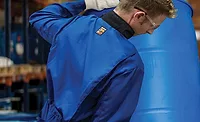
Manufacturing employees work hard, and so must the uniforms they wear. For a uniform to be of value it must be both comfortable and durable. In many cases that uniform must also offer a significantly higher level of protection from workplace hazards than ordinary street clothes.

In 2000, the National Fire Protection Association introduced changes to NFPA 70E, a voluntary standard to implement to increase worker safety that created risk categories for common electrical tasks. In turn, electric arc protective garments are required to be labeled with arc ratings so that the protection they provide can be matched to workplace hazards. Industry-wide familiarity with flame-resistant fabrics expanded even though some users felt the standard was cumbersome and often challenging to interpret. The standard covers workers in a variety of occupations, including maintenance personnel who install, maintain or repair electrical systems.

The 2004 revision of NFPA 70E attempted to overcome the limitations of the 2000 version and make it easier for the average worker in contact with electricity to understand the safety procedures and apparel requirements. Apparel and protective wear decisions can be addressed under the updated 2004 NFPA 70E using a table method with a task breakdown showing appropriate levels of protection, or by a calculation method based on prediction of energy levels that could be encountered by the worker.

Quantum leap

Similarly, flame-resistant fabrics available for uniform applications also are helping make life easier for industrial managers and their employees. Less constricting, easier to clean and offering increased safety, the uniforms of the 21st century are a quantum leap from what was available just a few years ago.

Uniform service companies (those who rent, lease and sell uniforms) provide assistance to customers that goes beyond simply providing garments, picking up dirty uniforms, washing them and delivering clean ones. These companies also consult with clients and listen to their concerns to make sure they are choosing the uniform fabrics that best meet their objectives, offering performance-related information about the latest textile technologies for workwear.

The Uniform and Textile Service Association (UTSA) is an international trade organization that represents these companies and works to convey information about new uniform textile options.

FR advances

When considering flame-resistant fabrics for employee uniforms based on the 2004 NFPA 70E standard, keep in mind that flame-resistant fabric technology is evolving continually. Referencing the NFPA 70E table, when job tasks span voltage testing to operation of circuit brakers with panel covers off and up to 600 v., basic-level flame resistance in clothing at weights of 4.5 ounces to 5.5 ounces should be introduced. As exposure levels increase, higher weight flame-resistant fabrics and eventually coveralls or multilayer flash suits, face shields and other protective equipment are added to the NFPA table’s clothing column.

Temperatures of an arc flash can reach upwards of 35,000 degrees Fahrenheit in less than a second, burning a person directly or causing ignition of non-flame-resistant clothing or the melting of clothing into the skin. While safety must be the top priority, worker comfort also is critical so that distractions are minimized and good morale is maintained. Workers, of course, need to be kept safe, but it’s also important that they not become too warm while wearing their FR garments.

Today’s flame-resistant fabrics address these needs by being more breathable and comfortable than those of the past, helping to motivate employees to want to wear their FR pants, shirts, coveralls and outerwear. Flame resistance often is not diminished by laundering, and some FR fabric technologies help prevent buildup of nuisance static electricity. Personnel grounding is required in hazardous static control situations.

Flame-resistant fabric alternatives currently include a flame-resistant finish that can be added to cotton blend fabrics, with the finish also increasing the fabric’s color retention and maintaining the much-loved comfort and breathability of cotton fabric.

Also of increasing interest to employers is heavyweight denim, which can be treated to meet flame-resistance standards. Denim is available in pre-washed lots for uniform production.

Other choices include blends of synthetic, inherently flame-resistant fibers designed to address specific needs that have been identified in the market.

Sidebar: New textiles making a splash

New textiles’ advances in molten metal and chemical splash protection allow workers to be comfortable at work while having some protection against hazardous liquids. Most commonly used fabrics for molten splash protection are either synthetic-based, or blends of wool and other fibers. Low-level protection from chemical splash can be provided by non-woven fabric laminated with an impermeable coating or by heavyweight suits typically used as rain gear. Situations that may involve uncontrolled chemical flow or chemical vapors, however, may require clothing with higher levels of liquid-tight protection or vapor-protective ensembles.

Links

  • hobson@utsa.com
  • www.uniforminfo.com

Share This Story

Looking for a reprint of this article?
From high-res PDFs to custom plaques, order your copy today!

David Hobson is president and CEO of the Uniform & Textile Service Association. The UTSA is an international trade organization that represents companies which not only rent, sell and clean textile products such as floor mats, but also offer businesses performance-related information on textile technologies applied in mat construction and a variety of mat features that can impact safety. Visit www.uniforminfo.com to learn more or to find a UTSA member by location. David can be contacted at hobson@utsa.com.

Recommended Content

JOIN TODAY
to unlock your recommendations.

Already have an account? Sign In

  • forklift safety

    Exploring the latest technologies in forklift safety

    With more staff and more stock in warehousing now more...
    Workplace Training Strategies
    By: Josh Cramer
  • welding

    All about welder’s flash or arc eye

    A flash burn is a painful inflammation of the cornea,...
    Environmental Health and Safety
  • dangerous jobs

    The 10 most dangerous jobs in the U.S.

    On-the-job deaths have been rising — hitting the highest...
    Transportation Safety
    By: Benita Mehta
Manage My Account
  • eMagazine Subscriptions
  • ISHN Newsletter & Other Newsletter Alerts
  • Online Registration
  • Manage My Preferences
  • Subscription Customer Service

More Videos

Sponsored Content

Sponsored Content is a special paid section where industry companies provide high quality, objective, non-commercial content around topics of interest to the ISHN audience. All Sponsored Content is supplied by the advertising company and any opinions expressed in this article are those of the author and not necessarily reflect the views of ISHN or its parent company, BNP Media. Interested in participating in our Sponsored Content section? Contact your local rep!

close
  • man wearing the the Sundström SR200 Full Face Mask Respirator
    Sponsored byOHD

    5 Fit Testing Mistakes That Could Cost You

  • This image shows Magid AcuSpex polarized blue mirrored safety glasses.
    Sponsored byMagid Glove and Safety

    Construction PPE Guide: What Crews Need for Each Task

  • lone worker in confined space
    Sponsored byAlphasense Ltd.

    GET THE LEAD OUT of your Safety Oxygen Sensors!

Popular Stories

SpaceX 7 launch

OSHA Investigating Fatal Fall at SpaceX Starbase

Automated loading dock equipment

After March 2026 Rivian Death, Safety Managers Reassess Loading Dock Systems Under OSHA's Warehouse Emphasis Program

psychology in the workplace

Most Workplaces Measure Psychological Safety, Ignoring Psychosocial Risks

top 10 most dangerous jobs

Poll

Seasonal Readiness

With the federal heat stress prevention rule on the horizon, which area of your safety program needs the most attention?
View Results Poll Archive

Products

Surviving an OSHA Audit A Management Guide, 2nd Edition

Surviving an OSHA Audit A Management Guide, 2nd Edition

See More Products

ISHN Podcasts

Related Articles

  • Tips on protective clothing maintenance

    See More
  • multi-hazard protective clothing

    Multi-hazard protective clothing comes of age

    See More
  • Knowing protective clothing

    Knowing Protective Clothing: Match workwear to your hazards

    See More

Related Products

See More Products
  • 047007485Xvol2.jpg

    Patty's Industrial Hygiene, Volume 2, Evaluation and Control , 6th Edition

  • 9781264257829_24.jpeg

    Construction Safety: Health, Practices and OSHA

  • 3E

    Safety Professional's Reference and Study Guide, Third Edition

See More Products

Related Directories

  • Bruin Plastics Co. Inc.

    Vinyl laminated fabrics and mesh for used for barricades, high-visibility tape, signage, protective clothing and much more.
×

Become a Leader in Safety Culture

Build your knowledge with ISHN, covering key safety, health and industrial hygiene news, products, and trends.

JOIN TODAY
  • RESOURCES
    • Advertise
    • Contact Us
    • Directories
    • Manufacturing Division
    • Store
    • Want More
  • SIGN UP TODAY
    • Create Account
    • eMagazine
    • Newsletters
    • Customer Service
    • Manage Preferences
  • SERVICES
    • Marketing Services
    • Reprints
    • Market Research
    • List Rental
    • Survey/Respondent Access
  • STAY CONNECTED
    • LinkedIn
    • Facebook
    • YouTube
    • X (Twitter)
  • PRIVACY
    • PRIVACY POLICY
    • TERMS & CONDITIONS
    • DO NOT SELL MY PERSONAL INFORMATION
    • PRIVACY REQUEST
    • ACCESSIBILITY

Copyright ©2026. All Rights Reserved BNP Media, Inc. and BNP Media II, LLC.

Design, CMS, Hosting & Web Development :: ePublishing