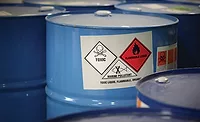
Handling hazardous materials
A glove is a glove is a glove. Or is it?
Just ask a HAZMAT worker who has watched a seemingly durable, latex-coated glove disintegrate when used in oil. Or ask the worker who has watched helplessly as an oily object slipped from his or her hand in a rescue effort. Or ask if using the wrong glove has led to inadequate barrier protection and exposure to contaminated bodily fluids.
Gloves are supposed to protect and aid - not hinder - the HAZMAT worker in handling the cleanup job. While a whole range of personal protection equipment (PPE) is available to address every need, the challenge comes in understanding which gloves to use and when to use them.
Identifying the hazards
Hazardous materials typically possess at least one of four characteristics:
- Ignitability
- Corrosiveness
- Reactivity
- Toxicity
The National Fire Protection Association (NFPA) 1992 Standard on Liquid Splash Protection Ensembles and Clothing for Hazardous Emergencies specifies the personal protective equipment (PPE) needed for those persons dealing with these materials. In every case, PPE gloves are a critical element in an overall protective ensemble. Importantly, Underwriters Laboratories has certified a select few gloves compliant with NFPA 1992 in order to help first responders and first receivers get the correct gloves for each situation.
Selecting your gloves
When choosing a HAZMAT glove, getting the right size and right arm coverage (wrist, cuffed or sleeved) is the starting point. Fortunately, most PPE gloves come in sizes ranging from extra small to extra large.
The second step is determining what category of glove you need. There are five basic categories of PPE gloves:
- General-purpose
- Chemical-resistant
- Disposable
- Cut-resistant
- Specialty (including thermal and other specialized gloves)
Within these categories there are literally hundreds of choices of materials running the gamut from natural rubber, latex and cotton to new-age coatings and fibers such as nitrile, neoprene, butyl, viton, PVC, nylon and Kevlar®.
General-purpose gloves
General-purpose gloves can be highly effective depending upon the type of coating they have. Many models have coating only on the palm, which is great for dexterity, but the knit shell leaves the back of the hand open to exposure.
Chemical-resistant gloves
The chemical-resistant glove is the real workhorse for HAZMAT workers dealing with highway cleanups of tanker spills, warehouse leaks of hazardous materials and situations involving biological hazards. For example, nitrile-coated gloves emerged as the favorite for workers cleaning up beaches after the recent Gulf oil spill. Out on the booms, however, tough PVC provided workers with the chemical-resistant protection they needed.
Dexterity and protection are also key considerations. Today, even the heaviest duty gloves offer more dexterity than they did just a few years ago within a range of options. If the task at hand calls for the highest protection level with an occasional need for dexterity, the choice may be to wear a disposable glove under outer protection, which could be removed briefly when appropriate.
There are many chemical-resistant glove materials used to manufacture a number of glove models. Some of these models include embossed surface patterns to prevent slippage, double-dipping to increase durability, knit or flocked liners for comfort, or special features to enhance dexterity. In most cases one material effectively resists a number of chemicals. The following brief descriptions are not all-inclusive, but will give you an idea of the types of chemical glove materials out there:
Butyl: high permeation resistance to gases and water vapors as well as to highly corrosive acids, ketones and esters.
Natural rubber latex: resistance to animal fats, caustics, acids, salts, alcohols and detergents.
Neoprene: durable resistance against a wide range of chemicals as well as solvents, oils, acids, caustics and greases.
Nitrile: durable resistance against a wide range of chemicals including oils (especially petrochemicals and fuels) and most acids.
PVC: durable resistance and barrier protection against some chemicals, especially petrochemicals, oils and grease.
Viton: highest chemical resistance to aromatic hydrocarbons such as benzene, toluene and xylene.
Disposable gloves
Disposable gloves offer great protection from bodily fluids and airborne pathogens, but they won’t stand up to extended chemical exposure or heavy-duty use. When used as a liner, however, disposable gloves are a key element in every HAZMAT worker’s PPE arsenal. The liner glove provides needed protection during donning and doffing of the more chemical-resistant outer glove and is well suited for protection during some decontamination activities while providing protection from body fluids.
Nitrile is the disposable glove material of choice for most HAZMAT jobs. Durable, flexible and resistant to chemicals, nitrile disposable gloves are available in a full range of sizes and colors. Packaging also reflects the onsite need for disposable gloves with certain models available in convenient single packs.
Cut-resistant gloves
Sometimes HAZMAT workers face the dual threat of chemical exposure and cuts. Although cut-resistant gloves are not designed primarily for HAZMAT work, there are several models that provide both chemical and cut resistance. In general these are cutresistant gloves that are fully dipped in a chemicalresistant coating such as sponge nitrile. The nitrile resists the chemicals while the metal fibers in the Kevlar knit liner guard against hand cuts.
Protection is key
Hand protection is a team effort between manufacturers and those using the gloves. Glove wearers share their needs, and glove manufacturers produce the gloves that meet those needs. Because HAZMAT workers engage in some of the most dangerous jobs on the planet, every effort must be made to ensure that they have the necessary PPE no matter what challenge they face.
Looking for a reprint of this article?
From high-res PDFs to custom plaques, order your copy today!