CDC promotes Alzheimer’s awareness
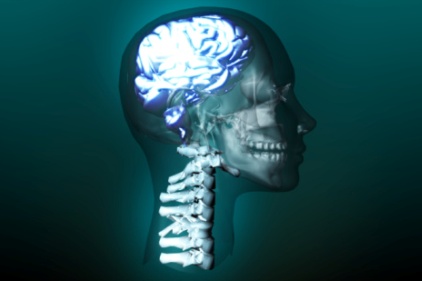 As November, National Alzheimer’s Awareness Month, draws to a close, the Centers for Disease Control and Prevention (CDC) is reminding people that active medical management can improve the quality of life for individuals living with Alzheimer's disease and their caregivers.
Alzheimer's disease, the most common form of dementia among older adults, affects parts of the brain that control thinking, remembering and making decisions. It can seriously impair a person's ability to complete daily activities.
It is estimated that as many as 5 million Americans have Alzheimer's disease. Younger people may get Alzheimer's disease, but it is much less common than in older adults. The disease usually begins after age 60 and risk goes up with age. About 5 percent of men and women ages 65 to 74 have Alzheimer's disease. It is estimated that nearly half of those age 85 and older may have the disease.
What Contributes to Alzheimer's Disease?
Scientists do not yet fully understand the multiple factors that may contribute to Alzheimer's disease but known factors include:
- Age – The number of people with the disease doubles every 5 years beyond age 65.
- Family history of Alzheimer's disease – Researchers believe that genetics may play a role in an individual's risk of developing Alzheimer's disease.
Other potential factors include:
- High blood pressure, high cholesterol, diabetes -- Scientists are finding more clues that high blood pressure, high cholesterol, and diabetes may increase a person's risk of getting Alzheimer's disease.
How Do I Know If It's Alzheimer's Disease?
Some change in memory is normal as we grow older, but the warning signs of Alzheimer's disease are more than simple memory lapses. According to the National Institute on Aging, someone with Alzheimer's disease may experience one or more of the following signs:
- Has difficulty with new learning and making new memories.
- Has trouble finding words - may substitute or make up words that sound like or mean something like the forgotten word.
- Loses spark or zest for life - does not start anything.
- Loses recent memory without a change in appearance or casual conversation.
- Loses judgment about money.
- Has shorter attention span and less motivation to stay with an activity.
- Easily loses way going to familiar places.
- Resists change or new things.
- Has trouble organizing and thinking logically.
- Asks repetitive questions.
- Withdraws, loses interest, is irritable and not as sensitive to others' feelings, is uncharacteristically angry when frustrated or tired.
- Takes longer to do routine chores and becomes upset if rushed or if something unexpected happens.
If someone has several or even most of the signs listed above, it does not mean that he or she has Alzheimer's disease. For a complete list of common signs, visit the National Institute on Aging.
How Do I Find Help?
Consult a doctor when you have concerns about memory loss, thinking skills and behavior changes in yourself or a loved one. It is important for a doctor to determine the cause of memory loss or other symptoms. Treatable conditions that may mimic Alzheimer's disease include depression, drug interaction, thyroid problems, excess alcohol use, symptoms associated with certain vitamins, and dehydration.
An early, accurate diagnosis of Alzheimer's disease helps persons living with the disease and their families plan for the future by providing:
- Time to discuss care while the person living with Alzheimer's disease can still participate in making decisions.
- Lessened anxiety about unknown problems.
- An opportunity to initiate treatment for the symptoms of the disease.
- More time to plan for the future.
How is Alzheimer's Disease Treated?
Although there is no known cure for Alzheimer's disease, active medical management can improve the quality of life for individuals living with Alzheimer's disease and their caregivers.
For some people in the early and middle stages of the disease, drugs are available that may help prevent some symptoms from becoming worse for a limited time or help control behavioral symptoms of Alzheimer's disease such as sleeplessness, agitation, wandering, anxiety, and depression.
Support for Family and Friends
Currently, the vast majority of individuals living with Alzheimer's disease are cared for at home by family members. In fact, an estimated 25–29 percent of caregivers of persons age 50 or older (8.5–9.8 million caregivers) provide help to someone with a cognitive impairment, a memory problem, or a disorder such as Alzheimer's disease or another form of dementia.
Caring for a person with Alzheimer's disease at home is a difficult task and can become overwhelming at times. Each day brings new challenges as the caregiver copes with changing levels of ability and new patterns of behavior. As the disease gets worse, people living with Alzheimer's disease often need more and more care.
In addition to understanding the challenges of caring for someone living with Alzheimer's disease, it is also important to note that caregiving has positive aspects. It is usually undertaken willingly and may bring personal fulfillment to family caregivers, such as satisfaction from helping a family member or friend, development of new skills and improved family relationships. Caregiving is receiving increased attention as an important public health issue.
More Information
- Alzheimer's Disease, The National Institutes of Health
- NIH Senior Health
- Alzheimer's Disease, The National Library of Medicine
- The Alzheimer's Disease Education and Referral (ADEAR) Center
- Alzheimer's Association
- The Dana Foundation
- Guideline for Alzheimer's Disease Management, California Council of the Alzheimer's Association
- Cognitive Impairment & Alzheimer's Disease, The Council of State Governments
Looking for a reprint of this article?
From high-res PDFs to custom plaques, order your copy today!