ISHN logo
search
cart
facebook twitter linkedin youtube
  • Sign In
  • Create Account
  • Sign Out
  • My Account
ISHN logo
  • NEWS
    • Today's News
    • Global Safety News
    • Government Regulations
  • PRODUCTS
    • Product Innovations
    • Featured Products
  • TOPICS
    • Environmental Health and Safety
    • Facility Safety
    • Workplace Health
    • Occupational Safety
    • PPE
    • More Topics
  • CONSTRUCTION
  • TECHNOLOGY
  • COLUMNS
    • Best Practices
    • Dave Johnson: What’s going on
    • Editorial Comments
    • Leading Safety
  • MULTIMEDIA
    • ISHN Podcast
    • Videos
    • Cold Stress Education Quiz
    • Webinars
    • White Papers
  • MORE
    • Buyer's Guide
    • Newsletters
    • Convention Companion
    • Polls
    • Events
    • ISHN Store
    • Sponsor Insights
  • EMAGAZINE
    • eMagazine
    • Archived Issues
    • Contact
    • Advertise
  • JOIN TODAY!
Today's Safety NewsFacility Safety

CSB, other agencies no closer to finding cause of TX plant explosion

Blast blew debris 2 ½ miles
May 17, 2013

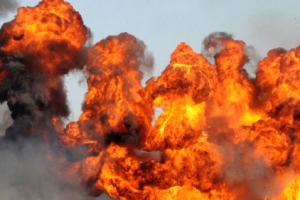
explosionNearly a month after the fertilizer plant explosion in West, Texas that killed 14 people and injured another 200, investigators are still unable to determine the cause of the tragedy.

It’s not for lack of trying. The U.S. Chemical Safety Board – one of many agencies conducting an inquiry into the incident – has had a team of 18 investigators and other technical experts in West since the April 17 accident, conducting witness interviews and gathering documents and other evidence.

The team has documented blast damage and patterns in the community – not an easy task, since the approximately 30 tons of ammonium nitrate fertilizer that exploded destroyed and damaged buildings in a 37-block area and threw debris as far as 2 1/2 miles from the plant, according to officials from the federal Bureau of Alcohol, Tobacco, Firearms and Explosives (ATF) and the Texas State Fire Marshal's Office.

CSB Chairperson Rafael Moure-Eraso said, “This accident produced far more offsite community damage and destruction than any we have investigated since the agency opened its doors in 1998.”

An ATF spokesperson said his agency has so far been unable to rule out any of three major potential causes of the fire that preceded the explosion, and warned that the exact reason the fire broke out may never be known.

The CSB team plans to continue testing test chemical samples and conducting an analysis of the nature and magnitude of the blast and its actual and potential consequences.

The scope of that task goes far beyond the small town located between Dallas and Waco; the CSB is looking into ammonium nitrate safe handling and storage standards here and in other countries such as the UK and Australia; land use planning and zoning practices for high-hazard facilities in relation to schools, public facilities, and residential areas; ammonium nitrate detonation mechanisms; the effectiveness of regulatory coverage including OSHA, EPA, and the State of Texas; whether there are inherently safer products or safer ways to store and mitigate the damage should a fire or explosion occur. The investigation will examine the emergency response during the fire at West, and practices, including preparedness, fire codes, and guidelines for good practices found in other jurisdictions.

 “After a disaster of this scale, it is essential to pursue improved safety as we look toward the future,” said Moure-Eraso.

 The CSB established a Facebook page, www.facebook.com/WestExplosion, to exchange information with the public concerning the investigation.

KEYWORDS: ammonium nitrate chemicals Explosions Texas

Share This Story

Looking for a reprint of this article?
From high-res PDFs to custom plaques, order your copy today!

Recommended Content

JOIN TODAY
to unlock your recommendations.

Already have an account? Sign In

  • forklift safety

    Exploring the latest technologies in forklift safety

    With more staff and more stock in warehousing now more...
    Facility Safety
    By: Josh Cramer
  • welding

    All about welder’s flash or arc eye

    A flash burn is a painful inflammation of the cornea,...
    Environmental Health and Safety
  • dangerous jobs

    The 10 most dangerous jobs in the U.S.

    On-the-job deaths have been rising — hitting the highest...
    Transportation Safety
    By: Benita Mehta
Manage My Account
  • eMagazine Subscriptions
  • ISHN Newsletter & Other Newsletter Alerts
  • Online Registration
  • Manage My Preferences
  • Subscription Customer Service

More Videos

Sponsored Content

Sponsored Content is a special paid section where industry companies provide high quality, objective, non-commercial content around topics of interest to the ISHN audience. All Sponsored Content is supplied by the advertising company and any opinions expressed in this article are those of the author and not necessarily reflect the views of ISHN or its parent company, BNP Media. Interested in participating in our Sponsored Content section? Contact your local rep!

close
  • man wearing the the Sundström SR200 Full Face Mask Respirator
    Sponsored byOHD

    5 Fit Testing Mistakes That Could Cost You

  • This image shows Magid AcuSpex polarized blue mirrored safety glasses.
    Sponsored byMagid Glove and Safety

    Construction PPE Guide: What Crews Need for Each Task

  • lone worker in confined space
    Sponsored byAlphasense Ltd.

    GET THE LEAD OUT of your Safety Oxygen Sensors!

Popular Stories

SpaceX 7 launch

OSHA Investigating Fatal Fall at SpaceX Starbase

dust explosion

Tennessee OSHA Issues Record $3.1M Fine After Deadly Explosion at Munitions Plant

Worker Impairment

How to Tell When a Co-Worker is Impaired? A Safety Pro’s Challenge

top 10 most dangerous jobs

Poll

Seasonal Readiness

With the federal heat stress prevention rule on the horizon, which area of your safety program needs the most attention?
View Results Poll Archive

Products

Surviving an OSHA Audit A Management Guide, 2nd Edition

Surviving an OSHA Audit A Management Guide, 2nd Edition

See More Products

ISHN Podcasts

Related Articles

  • CSB IDs cause of 2016 Pascagoula gas plant explosion

    See More
  • CSB to hold public meeting on February fatal power plant explosion (6/4)

    See More
  • A dozen years of PSM failures led to fatal plant explosion, fire

    See More

Related Products

See More Products
  • 1119906652.webp

    Alive and Well at the End of the Day: The Supervisor's Guide to Managing Safety in Operations, 2E

See More Products

Events

View AllSubmit An Event
  • October 18, 2017

    ACGIH® TLV® For Audible Sound – Understanding the Proposed Notice of Intended Change to The Acgih® Tlv® for Noise

    Occupational noise exposures represent an important but under-recognized cause of disease and disability in the United States. Now titled as Audible Sound, the ACGIH® Threshold Limit Values for Physical Agents (TLV®-PA) Committee has proposed a revision to the TLV® for Noise.
View AllSubmit An Event
×

Become a Leader in Safety Culture

Build your knowledge with ISHN, covering key safety, health and industrial hygiene news, products, and trends.

JOIN TODAY
  • RESOURCES
    • Advertise
    • Contact Us
    • Directories
    • Manufacturing Division
    • Store
    • Want More
  • SIGN UP TODAY
    • Create Account
    • eMagazine
    • Newsletters
    • Customer Service
    • Manage Preferences
  • SERVICES
    • Marketing Services
    • Reprints
    • Market Research
    • List Rental
    • Survey/Respondent Access
  • STAY CONNECTED
    • LinkedIn
    • Facebook
    • YouTube
    • X (Twitter)
  • PRIVACY
    • PRIVACY POLICY
    • TERMS & CONDITIONS
    • DO NOT SELL MY PERSONAL INFORMATION
    • PRIVACY REQUEST
    • ACCESSIBILITY

Copyright ©2026. All Rights Reserved BNP Media, Inc. and BNP Media II, LLC.

Design, CMS, Hosting & Web Development :: ePublishing