ISHN logo
search
cart
facebook twitter linkedin youtube
  • Sign In
  • Create Account
  • Sign Out
  • My Account
ISHN logo
  • NEWS
    • Today's News
    • Global Safety News
    • Government Regulations
  • PRODUCTS
    • Product Innovations
    • Featured Products
  • TOPICS
    • Environmental Health and Safety
    • Facility Safety
    • Workplace Health
    • Occupational Safety
    • PPE
    • More Topics
  • CONSTRUCTION
  • TECHNOLOGY
  • COLUMNS
    • Best Practices
    • Dave Johnson: What’s going on
    • Editorial Comments
    • Leading Safety
  • MULTIMEDIA
    • ISHN Podcast
    • Videos
    • Cold Stress Education Quiz
    • Webinars
    • White Papers
  • MORE
    • Buyer's Guide
    • Newsletters
    • Convention Companion
    • Polls
    • Events
    • ISHN Store
    • Sponsor Insights
  • EMAGAZINE
    • eMagazine
    • Archived Issues
    • Contact
    • Advertise
  • JOIN TODAY!
Today's Safety NewsEnvironmental Health and SafetyWorkplace Health

Many 60-year-old employees healthier than their 30-something counterparts

U.K. study shows stress, lifestyle choices can make a difference
December 18, 2013

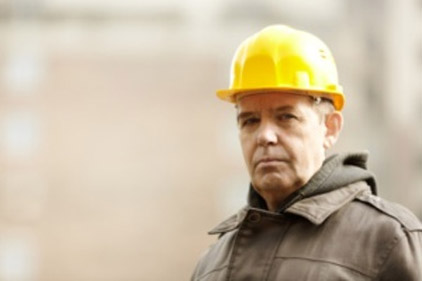
older workerIn a surprising finding, new research out of Great Britain shows that many employers in their 60s have a lower “relative vitality age” – and thus, lower health risks – than colleagues in their 30s.

The Britain’s Healthiest Company Report* crunched numbers on nearly 10,000 people and concluded that the sexagenarians in the survey had lower health risks based on a “Vitality Age calculator” developed by PruHealth, a health insurer and wellness program provider. Mercer, a global talent, health and retirement consultant, also helped produce the report.

The calculator estimates years of life lost or gained by taking into consideration the presence or absence of certain clinical and lifestyle risk factors, and through this, can gauge a true level of health by assessing if the ‘health age’ matches the actual chronological age.

How ages are calculated

The average Vitality (health) Age of those in their 60s is 3.9 years older than their actual age, which is closer in line to those in their 20s (whose average Vitality Age is 3.8 years older than their actual age). Those in their 30s and 40s have a higher Vitality Age difference, at 4.26 and 4.3 years respectively. An older Vitality Age, due to poor lifestyle choices such as smoking and little exercise, is costing people years off their lives, making them unhealthy and old before their time.

PruHealth’s Dr Katie Tryon said people in their 30s and 40s who should be in the prime of their lives may be affected by stressful jobs or the pressures of new parenthood.

Youth is no longer on their side

“Our research has highlighted that those in their 60s are closer, in terms of their health risk age difference, to those in their 20s,” said Tryon. “Perhaps, believing youth to no longer be on their side, they are more conscientious when it comes to life choices.”

No exercise = shorter life

According to the report, the biggest contributing factors for an older Vitality Age are lack of physical activity and being overweight. Out of the 10,000 UK employees who took part in the survey, nearly sixty per cent (59%) of respondents do not do enough physical activity. One in seven (15%) workers admit to doing no exercise which costs them, according to the authors, 7.4 years off their life.

Start small and get bigger

Dr Katie Tryon continues: “The results are quite stark. Those who live an unhealthy life will live a shorter life. There are simple ways to bring down your Vitality Age: eating healthily, looking after your body by not smoking or drinking too much, and by losing excess weight. Doing regular exercise is paramount but this doesn’t mean you need to run a marathon. It can be as easy as getting off the bus a stop early or taking the stairs rather than the escalator. It’s easy to take matter into your own hands, starting small and getting bigger. The results will be undeniable.”

Longer working hours, a tougher economic climate and being members of the “sandwich generation” that has to look after both parents and children can cause younger people to neglect their own health, according to the report.

A challenge for employers

Having employees of all ages in the workplace can be challenging for employers trying to provide health programs for their workers. “The needs of a millennial with no dependants are very different from those of a grandparent baby boomer,” said John Anderson, UK Market Business Leader for Health and Benefits at Mercer.

Anderson said his company has seen an increasing demand for flexible benefits programs that allows employers to provide choices and provide options that enable employees to remain healthy in a way that fits with their lifestyle.

 “Lifestyles can differ by a range of factors and generational factors are key. There will be different health challenges and needs across those different demographics and a well-designed health and wellbeing plan meets those different needs whilst containing employer spend.”

Click here for more information about actual age v. Vitality Age.

www.mercer.com.

KEYWORDS: aging workforce health and wellness programs lifestyle choices smoking and health stress

Share This Story

Looking for a reprint of this article?
From high-res PDFs to custom plaques, order your copy today!

Recommended Content

JOIN TODAY
to unlock your recommendations.

Already have an account? Sign In

  • forklift safety

    Exploring the latest technologies in forklift safety

    With more staff and more stock in warehousing now more...
    Facility Safety
    By: Josh Cramer
  • welding

    All about welder’s flash or arc eye

    A flash burn is a painful inflammation of the cornea,...
    Environmental Health and Safety
  • dangerous jobs

    The 10 most dangerous jobs in the U.S.

    On-the-job deaths have been rising — hitting the highest...
    Occupational Safety
    By: Benita Mehta
Manage My Account
  • eMagazine Subscriptions
  • ISHN Newsletter & Other Newsletter Alerts
  • Online Registration
  • Manage My Preferences
  • Subscription Customer Service

More Videos

Sponsored Content

Sponsored Content is a special paid section where industry companies provide high quality, objective, non-commercial content around topics of interest to the ISHN audience. All Sponsored Content is supplied by the advertising company and any opinions expressed in this article are those of the author and not necessarily reflect the views of ISHN or its parent company, BNP Media. Interested in participating in our Sponsored Content section? Contact your local rep!

close
  • man wearing the the Sundström SR200 Full Face Mask Respirator
    Sponsored byOHD

    5 Fit Testing Mistakes That Could Cost You

  • This image shows Magid AcuSpex polarized blue mirrored safety glasses.
    Sponsored byMagid Glove and Safety

    Construction PPE Guide: What Crews Need for Each Task

  • lone worker in confined space
    Sponsored byAlphasense Ltd.

    GET THE LEAD OUT of your Safety Oxygen Sensors!

Popular Stories

SpaceX 7 launch

OSHA Investigating Fatal Fall at SpaceX Starbase

Worker Impairment

How to Tell When a Co-Worker is Impaired? A Safety Pro’s Challenge

Automated loading dock equipment

After March 2026 Rivian Death, Safety Managers Reassess Loading Dock Systems Under OSHA's Warehouse Emphasis Program

top 10 most dangerous jobs

Poll

Seasonal Readiness

With the federal heat stress prevention rule on the horizon, which area of your safety program needs the most attention?
View Results Poll Archive

Products

Surviving an OSHA Audit A Management Guide, 2nd Edition

Surviving an OSHA Audit A Management Guide, 2nd Edition

See More Products

ISHN Podcasts

Related Articles

  • Most Americans’ hearts are older than their age

    See More
  • ladder

    Workers spend more than half their day standing or walking in jobs

    See More
  • EPA announces more than $60 million in Recovery Act funds for water projects in South Carolina (8/25)

    See More
×

Become a Leader in Safety Culture

Build your knowledge with ISHN, covering key safety, health and industrial hygiene news, products, and trends.

JOIN TODAY
  • RESOURCES
    • Advertise
    • Contact Us
    • Directories
    • Manufacturing Division
    • Store
    • Want More
  • SIGN UP TODAY
    • Create Account
    • eMagazine
    • Newsletters
    • Customer Service
    • Manage Preferences
  • SERVICES
    • Marketing Services
    • Reprints
    • Market Research
    • List Rental
    • Survey/Respondent Access
  • STAY CONNECTED
    • LinkedIn
    • Facebook
    • YouTube
    • X (Twitter)
  • PRIVACY
    • PRIVACY POLICY
    • TERMS & CONDITIONS
    • DO NOT SELL MY PERSONAL INFORMATION
    • PRIVACY REQUEST
    • ACCESSIBILITY

Copyright ©2026. All Rights Reserved BNP Media, Inc. and BNP Media II, LLC.

Design, CMS, Hosting & Web Development :: ePublishing