ISHN logo
search
cart
facebook twitter linkedin youtube
  • Sign In
  • Create Account
  • Sign Out
  • My Account
ISHN logo
  • NEWS
    • Today's News
    • Global Safety News
    • Government Regulations
  • PRODUCTS
    • Product Innovations
    • Featured Products
  • TOPICS
    • Environmental Health and Safety
    • Facility Safety
    • Workplace Health
    • Occupational Safety
    • PPE
    • More Topics
  • CONSTRUCTION
  • TECHNOLOGY
  • COLUMNS
    • Best Practices
    • Dave Johnson: What’s going on
    • Editorial Comments
    • Leading Safety
  • MULTIMEDIA
    • ISHN Podcast
    • Videos
    • Cold Stress Education Quiz
    • Webinars
    • White Papers
  • MORE
    • Buyer's Guide
    • Newsletters
    • Convention Companion
    • Polls
    • Events
    • ISHN Store
    • Sponsor Insights
  • EMAGAZINE
    • eMagazine
    • Archived Issues
    • Contact
    • Advertise
  • JOIN TODAY!
Today's Safety NewsTransportation Safety

NTSB recommends ways to make commuter railroads safer
May 20, 2014

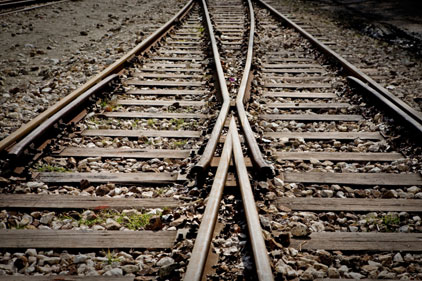
railroadIn the wake of the derailment and collision of two passenger trains in Connecticut last May, the National Transportation Safety Board – which conducted an investigation into the accident -- has issued recommendations to the Federal Railroad Administration (FRA) and Metro-North Railroad.

The NTSB wants the FRA to end the current inspection policy of exempting high-density commuter railroads from traversing each track that’s inspected by foot or vehicle.

All railroads should be required to traverse each main track by vehicle or inspect each main track on foot at least once every two weeks, says the NTSB.

“Safety of our public railways remains first and foremost in achieving NTSB’s mission to prevent these types of accidents,” said Acting Chairman Christopher A. Hart. “We expect the same level of safety on all railroads, freight and passenger alike.”

The May 17th incident involved two Metro-North Railroad passenger trains and occurred in Bridgeport, Connecticut.

During the ongoing investigation, NTSB investigators identified broken joint bars of the rail. It was also noted that the last inspection on this rail was conducted using a hi-rail vehicle two days before the accident occurred. Investigators measured the exposed portions of the breaks and determined the gage side bar, which is the bar closest to the centerline of the track, was the first bar to break. Inspection records collected by NTSB investigators revealed that the last inspection was performed from track 2, and that the gage side of the rail on track 4, including the gage side of the joint bar, would not have been visible from a hi-rail vehicle that traveled on track 2.

To view the NTSB’s recommendations to FRA and Metro-North, click on the following links:

Federal Railroad Administration: www.ntsb.gov/doclib/recletters/2014/R-14-011.pdf

Metro-North:www.ntsb.gov/doclib/recletters/2014/R-14-012.pdf

KEYWORDS: FRA railroad industry safety

Share This Story

Looking for a reprint of this article?
From high-res PDFs to custom plaques, order your copy today!

Recommended Content

JOIN TODAY
to unlock your recommendations.

Already have an account? Sign In

  • forklift safety

    Exploring the latest technologies in forklift safety

    With more staff and more stock in warehousing now more...
    Workplace Training Strategies
    By: Josh Cramer
  • welding

    All about welder’s flash or arc eye

    A flash burn is a painful inflammation of the cornea,...
    Environmental Health and Safety
  • dangerous jobs

    The 10 most dangerous jobs in the U.S.

    On-the-job deaths have been rising — hitting the highest...
    Transportation Safety
    By: Benita Mehta
Manage My Account
  • eMagazine Subscriptions
  • ISHN Newsletter & Other Newsletter Alerts
  • Online Registration
  • Manage My Preferences
  • Subscription Customer Service

More Videos

Sponsored Content

Sponsored Content is a special paid section where industry companies provide high quality, objective, non-commercial content around topics of interest to the ISHN audience. All Sponsored Content is supplied by the advertising company and any opinions expressed in this article are those of the author and not necessarily reflect the views of ISHN or its parent company, BNP Media. Interested in participating in our Sponsored Content section? Contact your local rep!

close
  • man wearing the the Sundström SR200 Full Face Mask Respirator
    Sponsored byOHD

    5 Fit Testing Mistakes That Could Cost You

  • This image shows Magid AcuSpex polarized blue mirrored safety glasses.
    Sponsored byMagid Glove and Safety

    Construction PPE Guide: What Crews Need for Each Task

  • lone worker in confined space
    Sponsored byAlphasense Ltd.

    GET THE LEAD OUT of your Safety Oxygen Sensors!

Popular Stories

SpaceX 7 launch

OSHA Investigating Fatal Fall at SpaceX Starbase

Worker Impairment

How to Tell When a Co-Worker is Impaired? A Safety Pro’s Challenge

psychology in the workplace

Most Workplaces Measure Psychological Safety, Ignoring Psychosocial Risks

top 10 most dangerous jobs

Poll

Seasonal Readiness

With the federal heat stress prevention rule on the horizon, which area of your safety program needs the most attention?
View Results Poll Archive

Products

Surviving an OSHA Audit A Management Guide, 2nd Edition

Surviving an OSHA Audit A Management Guide, 2nd Edition

See More Products

ISHN Podcasts

Related Articles

  • CDC recommends ways to reduce the threat of strokes

    See More
  • AIHA recommends ways to prevent lead poisoning among children in developing countries

    See More
  • f0920_Industrial-Scientific.jpg

    4 ways to make resolving odor complaints easier

    See More

Related Directories

  • Association of American Railroads (AAR)

    Since 1934, AAR has been the leading voice for the U.S. freight rail industry, driving policy, research, and technology to enhance safety and efficiency. Freight rail is a cornerstone of the U.S. economy, powering industries, facilitating trade, and supporting some of America’s safest and highest paid jobs—all while operating on a privately funded infrastructure that eases congestion on taxpayer-funded roads. From bulk commodities to intermodal freight, rail ensures the seamless movement of goods nationwide, serving as a vital link in global supply chains.
×

Become a Leader in Safety Culture

Build your knowledge with ISHN, covering key safety, health and industrial hygiene news, products, and trends.

JOIN TODAY
  • RESOURCES
    • Advertise
    • Contact Us
    • Directories
    • Manufacturing Division
    • Store
    • Want More
  • SIGN UP TODAY
    • Create Account
    • eMagazine
    • Newsletters
    • Customer Service
    • Manage Preferences
  • SERVICES
    • Marketing Services
    • Reprints
    • Market Research
    • List Rental
    • Survey/Respondent Access
  • STAY CONNECTED
    • LinkedIn
    • Facebook
    • YouTube
    • X (Twitter)
  • PRIVACY
    • PRIVACY POLICY
    • TERMS & CONDITIONS
    • DO NOT SELL MY PERSONAL INFORMATION
    • PRIVACY REQUEST
    • ACCESSIBILITY

Copyright ©2026. All Rights Reserved BNP Media, Inc. and BNP Media II, LLC.

Design, CMS, Hosting & Web Development :: ePublishing