Indoor air quality (IAQ) refers to the air quality within and around buildings and structures, especially as it relates to the health and comfort of building occupants.
In the past several decades, the size of industrial systems and the technology that grows alongside it has, naturally, expanded. Alongside it, though, the hazardous factors that cause major accidents — like unstable conditions and behavior — have become even more complex, thereby expanding in a similar vein at a breakneck speed.
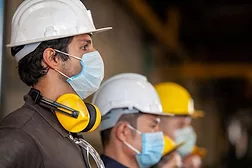
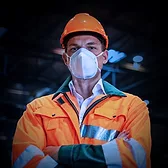
Manufacturing plants and industrial sites are opening up again after COVID-19 lockdowns, but the people returning to work will notice many changes in their safety protocols.
Manufacturing employees, especially those who work on the line, have a high risk of exposure to the novel coronavirus simply due to the nature of the job. Firstly, the distance between workers on assembly and production lines is often minimal.
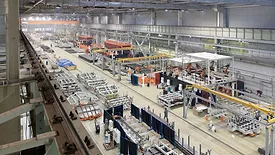
Manufacturing often finds itself up against challenges and pressures other industries do not. From a relatively strict regulatory environment to public health emergencies, global competition, emergent technologies and potential labor shortages, the manufacturing sector is always rolling with the punches and looking for avenues toward leaner operations and higher fortunes.
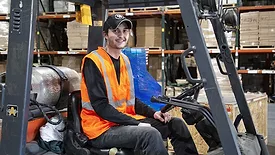
Every day, workers of the world head to their jobs fully expecting to return home in the same condition that they left. This is made possible when companies put the security of their workforce as the first priority.
The need and requirements to conduct a Dust Hazard Analysis (DHA) has increased over the last several years, partially due to the insurance carriers, permitting agencies, and corporate offices requiring facilities and companies to follow governing standards.
How one packaging company handled the global crisis
May 21, 2020
In January, global packaging company Amcor was hearing reports of a coronavirus spreading in China, where it has six manufacturing sites. In February, Amcor activated its Global Crisis Response team. Amcor’s VP EHS, Jim Keith, shares what the packaging leader has learned so far from managing through a global pandemic.
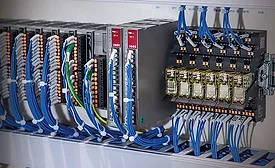
Machinery and OEM designers know that building safety into their equipment is a fundamental requirement. To ensure a consistent approach, the ISO 13849 standard provides guidance for machinery control systems that are applied to provide safety functions for machinery.
The potential for catastrophic injury when operating a hydraulic press is great. Its operation requires a worker to feed, position and remove stock in the area under the powerful ram or near the bending point, exposing him or herself directly to danger.