Today, sustainability is more than just an afterthought when it comes to cleaning parts, it is a necessity that affects both the environment and workers on the production line.
Safety is the number one priority for any manufacturing company and, as such, your equipment should be safe to use and produce a high-quality product. But even if you're already keeping an eye on the condition of your manufacturing equipment, that might not be enough to keep your workers safe.
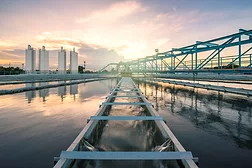
Many organizations are now actively working to improve community relations and prove to their neighbors, vendors, and customers that they are striving to be environmentally sensitive and promote sustainability. Reducing water consumption is one way they are accomplishing this.
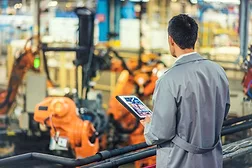
We credit industrial automation with productivity, efficiency, and safety gains, citing manual handling reduction and a reduction in musculoskeletal injury as a first-stage safety benefit. Yet, advanced technologies bring new opportunities for improved worker safety beyond manual handling, requiring an adaptation in our safety thinking.
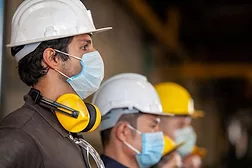
OSHA on August 13, 2021 issued updated guidance to help employers protect workers from the coronavirus. The updated guidance reflects developments in science and data, including the Centers for Disease Control and Prevention's updated COVID-19 guidance issued July 27.
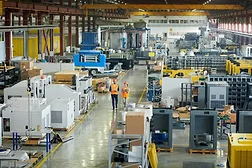
When you think about the most important things that keep your factory running smoothly, raw materials and a trained staff are likely top of mind. Corporate executives often overlook the importance of factory-floor communication as they make investment decisions to move their organizations forward.
Through a series of complex chemical reactions (i.e., “carbonation”), CO2 can reduce concrete’s pH and increase its porosity – ultimately impairing the overall strength and durability of concrete. The phenomenon is hastened in humid climates and in large cities or industrial areas where fossil fuels are likely to be burned at higher rates.
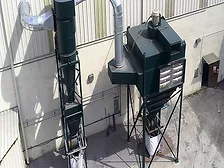
Industrial dust collectors are proven engineering control systems to maintain indoor air quality and protect the health and safety of your workers. One of the key factors to keeping your dust collector operating efficiently over its lifetime is selecting the right dust collector filters.
Most welding and cutting operations generate dangerous fumes and particulates. Here are several important factors you should know to better manage metal processing fumes to maintain a safe metalworking environment.
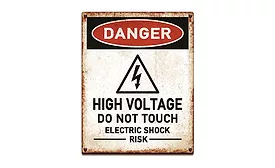
For workers on the factory floor, machinery and high-voltage systems can pose serious safety risks. According to OSHA, electrocutions are one of the “fatal four” — the leading causes of fatalities in the workplace.