Strains, cuts and slip and falls are the top causes of injuries in Colorado’s cannabis industry, according to Pinnacol Assurance, the state’s largest workers’ compensation insurer.
Pinnacol recently released an analysis of the cannabis industry’s most common occupational injury trends in Colorado.
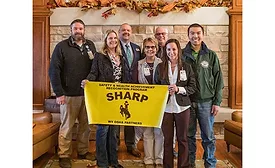
Hospice partnered with state’s OSHA Consultation program to improve workplace health and safety
April 22, 2019
A skilled nursing facility in Cheyenne, Wyoming has achieved injuries, illnesses and lost days that are dramatically below the average for their industry since it began working with Wyoming OSHA Consultation.
From 2016 through 2017, the Davis Hospice Center’s Total Recordable Case Rate (TRC) rate was zero, and their Days Away from Work, Job Transfer and Restriction (DART) rate was also zero. These rates are astounding when discussing the healthcare industry and health and safety challenges they face.
Pure Safety Group (PSG), the largest company dedicated solely to fall protection, has unveiled a new lineup of three self-retracting lifelines (SRLs). The SRLs are part of the company’s robust schedule of new product launches in 2019, during which it will release more than 20 new products for keeping workers at height safe in construction, oil and gas, energy, utilities, telecom, mining and transportation situations.
Not long after toddlers take their first tentative steps, they’re likely to be told, “Don’t touch the hot stove.” Either by heeding that warning or sadly through their own experience, they learn that a hot stove may burn them.
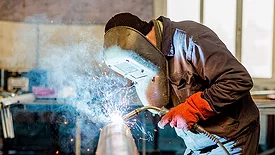
A flash burn is a painful inflammation of the cornea, which is the clear tissue that covers the front of the eye. A flash burn occurs when you are exposed to bright ultraviolet (UV) light. It can be caused by all types of UV light, but welding torches are the most common source. That’s why it is sometimes called ‘welder’s flash’ or ‘arc eye.’
OSHA is using – what else? – social media to reach young people who may soon be working in summer jobs. The goal: to give them tips in staying safe in the workplace. Because teens with little or no experience may not always recognize the hazards in their workplaces, they are especially vulnerable to occupational injuries and fatalities.
OSHA and the U.S. Department of Labor's Wage and Hour Division will run a social media campaign through May 17 (with the hashtag #MySafeSummerJob) to educate young workers how to protect themselves on the job.
Based on 2014 published data from the Bureau of Labor Statistics, 261,930 private industry and state and local government workers missed one or more days of work due to injuries from falls on the same level or to lower levels1, and 798 workers died from such falls2.
The construction industry experienced the highest frequency of fall-related deaths, while the highest counts of nonfatal fall injuries continue to be associated with the health services and the wholesale and retail industries.
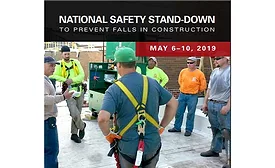
The 6th annual National Safety Stand-Down to prevent falls takes place the week of May 6-10, 2019.
The Stand-Down was conceived by OSHA in 2014 as part of the National Falls Campaign to raise awareness surrounding the severity of fall hazards in construction and the importance of preventing them.
In a construction setting, the term “safety stand-down” is used to describe a wide variety of activities where normal work is paused and the entire site focuses on a particular safety issue.
The 6th annual National Safety Stand-Down to prevent falls takes place the week of May 6-10, 2019.
The Stand-Down was conceived by OSHA in 2014 as part of the National Falls Campaign to raise awareness surrounding the severity of fall hazards in construction and the importance of preventing them. In a construction setting, the term “safety stand-down” is used to describe a wide variety of activities where normal work is paused and the entire site focuses on a particular safety issue.