The Travelers Companies, Inc. reports that it has reduced opioid use by nearly 40 percent among the injured construction workers it has helped, thanks in part to the Early Severity Predictor® model, which helps predict which injured employees are at higher risk of experiencing chronic pain. Additionally, the insurance giant implemented a comprehensive pharmacy management program that monitors drug interactions, excessive dosing and abuse patterns to reduce the risk of opioid dependency.
A new study by the National Council on Compensation Insurance (NCCI) to determine if demographic changes are behind the continuing decline in workers compensation (WC) claims has yielded some surprising results. Among them: that the aging of the U.S. workforce is not a factor. According to NCCI, WC claims have fallen by nearly one-third in the last ten years, part of a trend that’s been going on for more than two decades. At the same time, the number of workers who are at least 55 years old has doubled since 2000.
There were 370 fatal falls to a lower level out of 991 construction fatalities in 2016 (BLS data). These deaths are preventable.
While the Occupational Health and Safety Administration (OSHA) mandates safety protocols to reduce incidences, employers can take action to help reduce hazards that lead to fall-related events. The National Safety Stand-Down raises fall hazard awareness in an effort to stop fall fatalities and injuries.
New tape measure safety tethers provide ample extension for arms-length reach
April 1, 2019
A few years ago, an un-tethered, 16-ounce tape measure falling from aloft fell on and killed a worker at a New Jersey construction site. This type of accident is now virtually avoidable with the new ANSI 121-Compliant, Gear Keeper Retractable Tape Measure Tether.
Adrian’s Safety Solutions is pleased to announce the launch of their new Modular Pallet Rack Safety Netting. The latest addition to their pallet rack safety line is designed for walkway and work area product fall protection. The modular design allows for overlapping or tiling, so any space can be easily protected right out of the box.
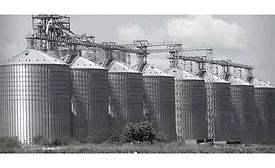
The growing enthusiasm for the annual National Safety Stand-Down to Prevent Falls in Construction has given rise to a new, similar event: the National Safety Stand-Up for Grain Safety Week. It’s happening this week. The event is designed to raise awareness about the hazards in the grain handling industry, which include engulfment/entrapment; slip, trip, and fall prevention; mechanical hazards; machine guarding; and lockout/tagout. Demonstrations of those hazards – along with discussions about how to abate them, were held at the Asmark Institute Agricenter in Bloomington, Illinois yesterday.
The IPIECA – the global oil and gas industry association for advancing environmental and social performance - and the International Association of Oil and Gas Producers (IOGP) have launched a new suite of guidance for the oil and gas industry: ‘Managing fatigue in the workplace’
The guidance includes fatigue management in the workplace, performance indicators for fatigue risk management systems, assessing risks from operator fatigue, and fatigue in fly-in, fly-out operations.
On any jobsite on any given day, an accident is waiting to happen. Falls and dropped object injuries are no different. The Bureau of Labor Statistics reports over 50,000 struck by falling object incidents every year. Those are only the recorded incidents. What about those that don’t get reported?
Doesn’t it make sense to avoid unnecessary injury before it becomes a problem? If you’re looking to better protect your workers from fall related hazards, then it’s time to get serious.
The opioid epidemic’s toll on the U.S. workforce, retaliation against an undocumented worker leads to his arrest and federal worker safety agencies get a look at what could be their budgets next year. These were among the top stories featured on ISHN.com this week.
How do manufacturing companies know the best and safest way to design workplaces and assign tasks? Ideally, injuries and illnesses should be prevented, but historically companies have adjusted their workplace policies, practices and procedures after an injury or illness occurred.
In a NIOSH-supported study at the University of Iowa’s College of Public Health, researchers tested the role of computer simulation in promoting workers’ well-being by designing safer work.