OSHA estimates some two million construction employees are exposed to respirable crystalline silica in more than 600,000 workplaces across the country. To comply, companies need to follow multiple steps that aren’t always as easy as they might seem.
Federal agencies propose changes to regulations meant to avoid trucker fatigue and silica exposure; napping at work becomes more popular and researchers uncover a link between insomnia and heart disease. These were among the top occupational safety and health stories featured on ISHN.com this week.
In June 2018, OSHA introduced the silica standard so workers exposed to silica-generating tasks would be protected from the hazards of silica and silica dust. Just over a year in, we have seen some companies still failing to comply, others still in the process, and others doing quite well.
The standard applies to all occupational exposures to respirable crystalline silica, except where employee exposure will remain below 25 μg/m3 as an 8-hour TWA under any foreseeable conditions and those occurring during agricultural operations covered under 29 CFR part 1928 and and exposures that result from the processing of sorptive clays.
If you’re in construction, maritime, hydraulic fracturing, or other general industries using silica, the new silica standard and silica dust should matter to you. Chances are, you could be getting exposed to dangerous respirable silica dust that you can’t even see. And, what you can’t see, can hurt you.
A panel discussion Monday morning offered some insight into the first 17 months of OSHA under the Trump administration. Some questions that arose include: How has the mission or strategy of the Agency changed? How might these changes at the Agency affect worker safety and health? What do we expect based on the regulatory agendas? How has enforcement been affected?
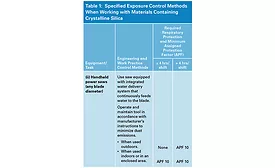
Exposure to respirable crystalline silica is nothing new for employees on construction sites. However, this exposure can cause serious health issues. In response to these concerns, OSHA issued a new rule on exposure to silica in construction.
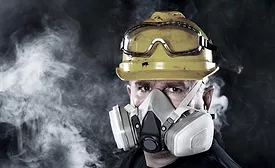
Protective Industrial Products, Inc. (PIP) is proud to announce the launch of our new Safety Works® series of Respiratory Products. Working with a longstanding global partner, this comprehensive line expands PIP’s offering to include 40 respiratory products including P100 and N100 fltering face pieces, as well as, half and full mask air-purifying respirators with multiple flters and cartridges.
In March, 2016, OSHA issued a final rule to protect workers exposed to RCS in general industry and maritime. The agency will begin enforcing most provisions of the standard on June 23, 2018.