While outdoor environments may deal with more extreme temperatures, heavy equipment and frequent movement in industrial workplaces can lead to high, potentially dangerous temperatures in industrial facilities.
As a standard part of virtually every project, foundation work may not stand out to crews as particularly risky — and that can be dangerous. Concrete construction hazards are both common and severe, so they deserve your attention.
The internet is full of outdated, incomplete, and even wrongheaded advice, and the news is full of dire predictions that the world is getting hotter and heat illness is getting more frequent. So what’s a concerned safety manager to do?
Maintaining safety in warehouses and factories always has to be a priority. First and foremost, company leaders have an ethical duty to protect workers operating in potentially hazardous conditions.
As with any complex workspace, a production floor comprises a host of different workers, each with their respective duties, types of expertise, and lines of reporting. Organization of work is essential, which is why every type of worker needs to be managed in some way.
The U.S. Department of Labor has announced $11.7 million in Susan Harwood Training Grants to support training and education for workers and employers. The goal is to help identify and prevent workplace safety and health hazards.
ISHN interviewed former ASSP President Mark Hansen at the Safety 2022 conference in Chicago, and Mark highly recommends reading the book, “Deep Work,” by Cal Newport and published in 2017. “Deep Work” does not directly address workplace safety, but its application is obvious.
The last two years have demonstrated the importance of prioritizing overall health and well-being — and how everyone’s personal and work life affect each other. With safety being the number one priority in construction, leaders in the industry should take the lessons learned to implement a holistic approach to safety, addressing both physical and psychological health.
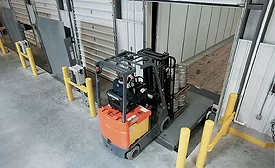
Loading zones are high-traffic work areas with many safety hazards. Even for fully-trained employees, bad habits and lapses in best safety practices can be fostered over time — such as using overhead doors without proper caution.