A performer is anything in the system that can take action, influence outcomes, and introduce variability. Historically, that performer has been human. Now, it isn’t only human.
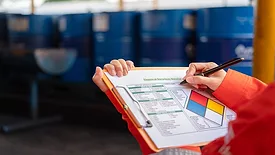
Documentation satisfies compliance requirements, but it rarely gives safety leaders a clear view of where risk is building across sites, shifts, or assets.
ISHN recently interviewed Mark Katchen, MBA, MS, CIH, founder and CEO of The Phylmar Group, on the ethical consequences of EHS budget cuts and low levels of trust and engagement in organization.
While compliance with regulations and the correct use of PPE are essential baselines, they do not by themselves prevent incidents or build a resilient safety environment.
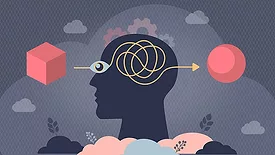
Everyone has biases which unconsciously influence our actions and/or perceptions and can be both positive and negative in nature. This invariably can manifest itself in any work performed by employees.
The Society will continue focusing its lens on the Serious Injuries and Fatalities (SIF) and Potential Serious Injuries and Fatalities (PSIF) that continue to disrupt operations and end lives.
When the workforce feels that they can trust the people they work with and for and that they are treated fairly by management, they tend to think of the organization as a good place to work.