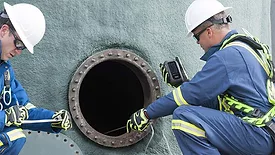
Both PTW and JSA are designed to prevent incidents by identifying hazards and ensuring that appropriate controls are in place. Given their overlapping functions, a natural question arises: is it really necessary to use both PTW and JSA for the same task?
The risks of working alone in combination with the heat can be dangerous due to potential communication challenges and inaccessibility in case of an accident.
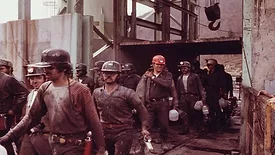
Even as coal mining has shrunk, the potential dangers for people who still work in the field remain high. One in 10 underground coal miners who worked in mines for at least 25 years had black lung, according to a NIOSH report in 2018. In Central Appalachia, one of the main coal mining regions in the U.S., the rate was 1 in 5.
Checklists are valuable for helping warehouse workers follow the right steps without missing any. However, some safety professionals become overly reliant on these documents.
Studies have shown that people’s behavior is driven by their underlying belief systems. This has an effect on hazard management, exposure assessment, and accident prevention.
An industrial hygienist who became a medical student discusses why he chose psychiatry and how industrial hygiene helped him succeed in his current path.
High-stakes labs are increasingly using artificial intelligence (AI), automation and the Internet of Things (IoT) to meet higher quality assurance standards.
With the next National Climate Assessment due by 2028, its future is now in doubt — and so is the credibility of any replacement effort that omits the very scientists charged with ensuring its integrity.
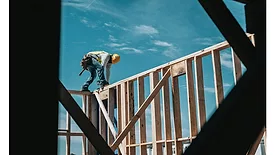
The purpose of Construction Safety Week, May 5-9, is to raise awareness of construction safety by presenting a range of incident scenarios and providing advice on how to stay safe while working.