Fall prevention, hand protection and stainless steel padlocks wee among the top occupational and facility safety products featured on ISHN.com this week.
A worker’s high-profile death at a baseball stadium, workplace violence at a car dealership and not all types of sitting are equally bad for your health. These were among the top occupational safety and health stories featured on ISHN.com this week.
The U.S. Chemical Safety Board (CSB) will be reviewing a recent policy change, after testimony at its public meeting on Tuesday from occupational health experts and worker advocates opposed to the agency’s decision to stop naming accident victims in its reports.
CSB Interim Executive Kristen acknowledged “a lot of passion around this subject,” and said that she’d asked the agency’s general counsel to review the policy and to report back with recommendations.
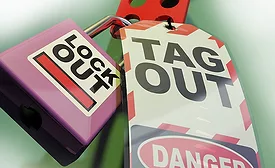
When employees perform maintenance on machinery or equipment, you must ensure that they know how to protect themselves from the release of hazardous energy. OSHA’s control of hazardous energy (lockout/tagout) standard at 1910.147 requires you to create procedures for employee protection.
We do what we do to obtain, avoid, or escape certain consequences. Consequences we work to obtain are termed "positive reinforcers." Consequences we attempt to avoid are "negative reinforcers."
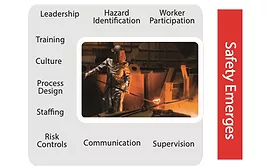
The New View is fundamentally the application of systems thinking to workplace health and safety. It considers safety an emergent property of the system. So what does that jargon mean? Instead of focusing on an individual thing, the organization steps back and takes a broader view.
Nitrile gloves that grasp; a wipe made from bamboo that gets rid of paint, grease and oil but that’s easy on the skin; and an insulated hook that helps in the rescue of injured electrical workers were among the top occupational safety and health products featured on ISHN.com this week.
A CBS policy change angers safety advocates; the final frontier is the target of government regulations and a mining safety rule change gets reversed in court. These were among the top stories featured on ISHN.com this week.
It wasn’t until recently that we started understanding that people with different personalities tend to naturally pay more attention to safety attributes like work environment, people, equipment, processes, etc. based on their personality tendencies.
The U.S. Chemical Safety Board’s decision to reverse a policy of including the names of workers killed in the incidents it investigates is drawing fire from safety advocates. In a letter to the CSB, more than fifty organizations and individuals demand that the agency reinstate its policy of naming the fatally injured workers in its reports – something it had previously done since 2014. The CSB stopped the practice recently because doing so “may infer culpability on the part of the entity responsible for the operation of the facility where the incident occurred,” according to a spokesperson.