ISHN logo
search
cart
facebook twitter linkedin youtube
  • Sign In
  • Create Account
  • Sign Out
  • My Account
ISHN logo
  • NEWS
    • Today's News
    • Global Safety News
    • Government Regulations
  • PRODUCTS
    • Product Innovations
    • Featured Products
  • TOPICS
    • Environmental Health and Safety
    • Facility Safety
    • Workplace Health
    • Occupational Safety
    • PPE
    • More Topics
  • CONSTRUCTION
  • TECHNOLOGY
  • COLUMNS
    • Best Practices
    • Dave Johnson: What’s going on
    • Editorial Comments
    • Leading Safety
  • MULTIMEDIA
    • ISHN Podcast
    • Videos
    • Cold Stress Education Quiz
    • Webinars
    • White Papers
  • MORE
    • Buyer's Guide
    • Newsletters
    • Convention Companion
    • Polls
    • Events
    • ISHN Store
    • Sponsor Insights
  • EMAGAZINE
    • eMagazine
    • Archived Issues
    • Contact
    • Advertise
  • JOIN TODAY!
Today's Safety NewsEnvironmental Health and SafetyColumnsSafety Industry White PapersWorkplace Training Strategies

Most accidents involve a series of minor errors

By Dr. John Kello
April 1, 2015

I was on a business trip, having completed a safety training session with managers and associates in an industrial plant the previous day. Preparing to head out to the airport, I called the front desk of my hotel to have my rental car brought around. I went down to the lobby, checked out, and waited for my car to be brought around … and waited….

After about 15 minutes, it occurred to me that the front desk might not have communicated with the valets.  So I approached one of the valets, who told me after searching for my keys in a filing cabinet, “Someone must be bringing your car around now, because your key is not here”. So I waited another 10 minutes…

I talked to a different valet. This fellow asked me what kind of car it “was”… I told him it was a Nissan Maxima, and he asked “what color?” I told him it was silver. As he began reviewing the wall and wad of keys and tickets, he said “we have a black one and a gray one… are either of those yours?”  I assured him that the rental car company probably would prefer that I return the actual car I rented from them.

Now 30 minutes into what should have been a five minute process, a woman at the desk came out and said, “The gentleman who has your car just called in, and he is about 20 minutes away, in traffic.”

So, they had given my rental car away.

A comedy of errors

How in the world did this happen!?

A very embarrassed man did in fact arrive in my rental car (he probably discovered his error when he tried to return my car to his rental company). I rushed to the airport, ran to my gate, got aboard just before the door closed, and finally relaxed and reflected on the comedy of errors I had just experienced. The scenario was not a sudden, deliberate, single-cause event. It was a chain of events, most of them fairly minor, all of them avoidable, which compounded and resulted in my car going to a stranger (and me going ballistic).

I always park my car myself when I have the option. But this downtown hotel did not have the self-park option. Valet parking was mandatory.

Second, I usually deal directly with valets when necessary, see them take my keys and ticket and see them bring my (actual) car. But not this time, because the hotel was very busy and I was told to call down ahead to have the valets retrieve my car.

The other fellow must have arrived in the lobby to get his car sometime after I had called but before I came down. The timing was “perfect.” He must have also called down early, thus expecting his car to be there when he got down. I assume he saw my car waiting, which I assume resembled his car.

I assume the valet did not check claim ticket numbers (violating SOP), and just gave my car to the man who said it was his, and who then got in and drove off. I assume my seat and mirror settings were like his, so the car didn’t “feel different” enough for him to realize this was not his car.

What a chain of unlikely events. It could have been pre-empted, or interrupted at any of a half dozen points. But it wasn’t.

The compound effect of minor errors

Think about a typical accident. Most conform to the same pattern as my frustrating but not injurious comedy of errors. It’s probably human nature to fear a sudden dramatic misfortune. I suspect people who have a phobic fear of flying fear a sudden massive mechanical failure quite a bit more than they do a chain of minor unlikely miscommunications and/or other errors between pilots. The former, while it does happen, is extremely uncommon; the latter, while infrequent overall, is much more common than the former.

My scenario is a vivid reminder of how accidents actually happen.  They are most often the end point of a series of unlikely error-events, not the sudden “large-scale breakdown.”

The key take-away from my absurdly unlikely story?  If any of the actors in that drama (especially the valet) had said, “wait a minute” and asked a good question, stopped a mindless act, corrected an error, there is no incident.

When things start to look and sound a bit off-normal, or if you are merely doing a routine task mindlessly, that’s the time to stop, step back… and interrupt the chain.

KEYWORDS: root cause analysis

Share This Story

Looking for a reprint of this article?
From high-res PDFs to custom plaques, order your copy today!

Dr. John Kello is a Professor Emeritus of Industrial-Organizational Psychology at Davidson College, with a Graduate Faculty Associate appointment to the Doctoral Program in Organizational Science at the University of North Carolina-Charlotte. Additionally, John is President and Senior Consultant with John E. Kello & Associates, Inc., an Organization Development (OD) consulting firm which serves a national list of clients. Visit www.kelloandassociates.com


Recommended Content

JOIN TODAY
to unlock your recommendations.

Already have an account? Sign In

  • forklift safety

    Exploring the latest technologies in forklift safety

    With more staff and more stock in warehousing now more...
    Facility Safety
    By: Josh Cramer
  • welding

    All about welder’s flash or arc eye

    A flash burn is a painful inflammation of the cornea,...
    Environmental Health and Safety
  • dangerous jobs

    The 10 most dangerous jobs in the U.S.

    On-the-job deaths have been rising — hitting the highest...
    Occupational Safety
    By: Benita Mehta
Manage My Account
  • eMagazine Subscriptions
  • ISHN Newsletter & Other Newsletter Alerts
  • Online Registration
  • Manage My Preferences
  • Subscription Customer Service

More Videos

Sponsored Content

Sponsored Content is a special paid section where industry companies provide high quality, objective, non-commercial content around topics of interest to the ISHN audience. All Sponsored Content is supplied by the advertising company and any opinions expressed in this article are those of the author and not necessarily reflect the views of ISHN or its parent company, BNP Media. Interested in participating in our Sponsored Content section? Contact your local rep!

close
  • man wearing the the Sundström SR200 Full Face Mask Respirator
    Sponsored byOHD

    5 Fit Testing Mistakes That Could Cost You

  • This image shows Magid AcuSpex polarized blue mirrored safety glasses.
    Sponsored byMagid Glove and Safety

    Construction PPE Guide: What Crews Need for Each Task

  • lone worker in confined space
    Sponsored byAlphasense Ltd.

    GET THE LEAD OUT of your Safety Oxygen Sensors!

Popular Stories

SpaceX 7 launch

OSHA Investigating Fatal Fall at SpaceX Starbase

Worker Impairment

How to Tell When a Co-Worker is Impaired? A Safety Pro’s Challenge

Automated loading dock equipment

After March 2026 Rivian Death, Safety Managers Reassess Loading Dock Systems Under OSHA's Warehouse Emphasis Program

top 10 most dangerous jobs

Poll

Seasonal Readiness

With the federal heat stress prevention rule on the horizon, which area of your safety program needs the most attention?
View Results Poll Archive

Products

Surviving an OSHA Audit A Management Guide, 2nd Edition

Surviving an OSHA Audit A Management Guide, 2nd Edition

See More Products

ISHN Podcasts

Related Articles

  • psychology

    Reduce workplace stress - A series of guided meditations

    See More
  • 25 percent of fatal falls at work involve a fall of 10 feet or less

    See More
  • OSHA chief: Most “accidents” caused by employer decisions

    See More

Related Products

See More Products
  • 9781138749573.jpg

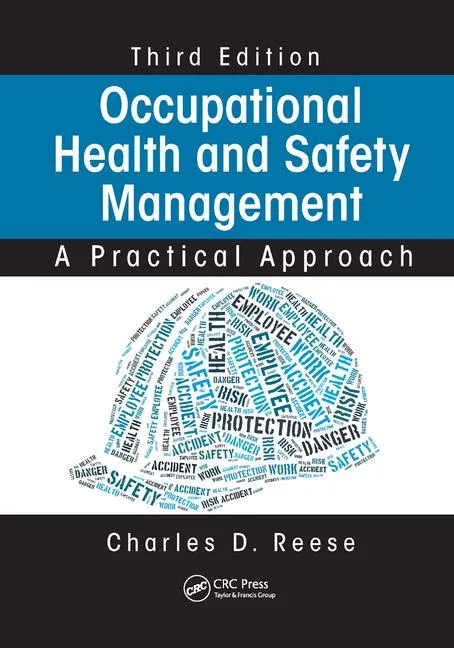
    Occupational Health and Safety Management: A Practical Approach, Third Edition

See More Products
×

Become a Leader in Safety Culture

Build your knowledge with ISHN, covering key safety, health and industrial hygiene news, products, and trends.

JOIN TODAY
  • RESOURCES
    • Advertise
    • Contact Us
    • Directories
    • Manufacturing Division
    • Store
    • Want More
  • SIGN UP TODAY
    • Create Account
    • eMagazine
    • Newsletters
    • Customer Service
    • Manage Preferences
  • SERVICES
    • Marketing Services
    • Reprints
    • Market Research
    • List Rental
    • Survey/Respondent Access
  • STAY CONNECTED
    • LinkedIn
    • Facebook
    • YouTube
    • X (Twitter)
  • PRIVACY
    • PRIVACY POLICY
    • TERMS & CONDITIONS
    • DO NOT SELL MY PERSONAL INFORMATION
    • PRIVACY REQUEST
    • ACCESSIBILITY

Copyright ©2026. All Rights Reserved BNP Media, Inc. and BNP Media II, LLC.

Design, CMS, Hosting & Web Development :: ePublishing