Hazards, requirements & advancements: PPE in the oil and gas industry
Potentially hazardous work conditions, job duties and health risk… it’s no secret that the oil and gas industry can be a dangerous place to work. The occupational fatality rate for oil and gas extraction workers is more than seven times greater than the rate for all U.S. workers, according to the Centers for Disease Control and Prevention. In fact, in 2008, the most recent year for which data is available from the Bureau of Labor Statistics, 120 people were killed while performing oil and gas extraction. Non-fatal incidents occurred more frequently; in 2007, there were 4,200 cases of non-fatal injuries of full time oil- and gas-drilling workers.
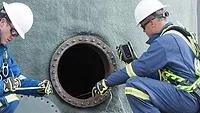
Choosing and donning the right personal protective equipment (PPE) is critical to ensuring the safety of oil and gas workers, as well as to stay in compliance with the Occupational Safety & Health Administration (OSHA) requirements. PPE must be used to reduce workers’ exposure to these potential hazards when preferred methods like engineering controls — such as machine guards — or safe work practices are not practical or are not feasible. Here are three factors to be aware of in relation to PPE to help you stay in compliance and save lives:
Know the Hazards — From exploring drill sites, to building well foundations and erecting lease tanks, to chemically treating or hydraulically fracturing wells, danger can be found in just about every oil and gas activity. Because of this, employers must conduct a hazard assessment of the surrounding work environment to match PPE to the hazard; this is arguably the most important step in PPE compliance. Potential hazards may be physical or health-related, and a comprehensive hazard assessment should identify hazards in both categories (OSHA).
More specifically, hazards can include: slips and falls, fire and explosion, hand and eye injuries, and noise-related hearing loss, as well as exposure to harmful chemicals, gases, vapors and fumes. Knowing who is exposed and to what, how long they are exposed for and how much they are exposed to helps in the selection process for PPE.
Know the requirements — It is important to understand that while the use of proper safety precautions and PPE should be followed by employees, it is, ultimately, the responsibility of the company or employer to make sure a safe work environment is provided and to ensure procedures are followed. Compliance standards are based on the hazards present, not on the industry, so it’s important to review the OSHA standards after completing a hazard assessment of your work environment. General PPE standards are outlined in OSHA CFR 1910.132, which states that the employer is responsible for training employees and supplying the PPE, as well as documenting that each employee demonstrates an understanding of the PPE training and the ability to properly wear and use PPE before they are allowed to perform work requiring the use of the PPE (OSHA).
The general requirements for PPE that shall be provided, used, and maintained in a sanitary and reliable condition include eyes, face, head and extremities, protective clothing, respiratory devices, and protective shields and barriers. In the United States, OSHA requires oil and gas companies to ensure both their employees and any contractors or other visitors to the site are in compliance. Employers are required by OSHA to reassess on the job hazards and decide whether new PPE is needed each year or if conditions change.
Know the advancements — In addition to protecting the worker, advancements have made personal protective equipment more comfortable for workers and more efficient overall. Since workers often need to remove and then reapply their PPE securely throughout the day, ease of use and comfort are important considerations. In addition, uncomfortable or ill-fitting PPE increases the risk that a worker will remove the irritating item and leave it off, and thereby increase their potential for exposure to hazards in the work environment.
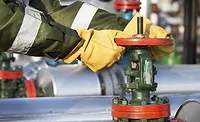
As the employer, it is important to provide a range of protectors so that employees can choose the one that suits them best, as well as to know the innovations that are now available. Fabrics have been improved for easier breathability and temperature regulation, as well as with more stretchy textiles, allowing workers better range of motion. Cut-resistant gloves have been updated for better dexterity and grip. Comfortable headgear, including hardhats, visors, face shields, earmuffs, etc. have been designed to be user-friendly and more form-fitting. Protective eyewear include options like polarized, anti-fog, smoke/mirror and clear lenses.
Protect your employees, protect your company
Wearing the proper PPE is critical not only for employee safety, but to protect the company as well. Injuries that occur in the absence of proper or sufficient PPE may result in fines placed on the company by OSHA. On top of fines, employee incidents that result in injuries can cost your organization in increased insurance premiums and workers compensation claims, lost employee time, lost productivity, a decrease in morale, and more.
The reality is that at the end of the day, regardless of the safety precautions in place to reduce and eliminate hazards, people still get hurt. But one thing that can absolutely be done is to try to control risks by understanding how to properly select PPE for the hazard and how to properly wear and maintain PPE.
References
Hoeller, David. “Enhancing Employee Compliance with Personal Protective Equipment.” Oil + Gas Monitor. Monitor Publishing Inc., 20 Feb. 2013. Web. 4 May 2015.
“The Importance of PPE While Using Oil and Gas Equipment.” Duram Mask. Duram Mask A.C. Ltd., 17 Oct. 2013. Web. 4 May 2015.
“Oil and Gas Extraction.” Centers for Disease Control and Prevention. Centers for Disease Control and Prevention, 13 Dec. 2012. Web. 5 May 2015.
“Oil and Gas Extraction - Standards and Enforcement.” Occupational Safety & Health Administration. U.S. Department of Labor, n.d. Web. 5 May 2015.
“Oil and Gas Industry Fatal and Nonfatal Occupational Injuries.” Bureau of Labor Statistics. U.S. Department of Labor, 23 Apr. 2010. Web. 5 May 2015.
Looking for a reprint of this article?
From high-res PDFs to custom plaques, order your copy today!