ISHN logo
search
cart
facebook twitter linkedin youtube
  • Sign In
  • Create Account
  • Sign Out
  • My Account
ISHN logo
  • NEWS
    • Today's News
    • Global Safety News
    • Government Regulations
  • PRODUCTS
    • Product Innovations
    • Featured Products
  • TOPICS
    • Environmental Health and Safety
    • Facility Safety
    • Workplace Health
    • Occupational Safety
    • PPE
    • More Topics
  • CONSTRUCTION
  • TECHNOLOGY
  • COLUMNS
    • Best Practices
    • Dave Johnson: What’s going on
    • Editorial Comments
    • Leading Safety
  • MULTIMEDIA
    • ISHN Podcast
    • Videos
    • Cold Stress Education Quiz
    • Webinars
    • White Papers
  • MORE
    • Buyer's Guide
    • Newsletters
    • Convention Companion
    • Polls
    • Events
    • ISHN Store
    • Sponsor Insights
  • EMAGAZINE
    • eMagazine
    • Archived Issues
    • Contact
    • Advertise
  • JOIN TODAY!
Today's Safety NewsOccupational Safety

NJ’s healthcare violence prevention law: compliance and effectiveness

June 30, 2016

Healthcare workers make it their job to help others, yet face a significant risk of workplace violence ranging from intimidation to physical attacks. In fact, compared with workers in all other industries combined, healthcare workers are nearly 5 times more likely to encounter workplace violence. NIOSH strives to protect these workers by studying the causes and prevention of violence in healthcare.

What NJ regulation requires

As the fastest-growing sector of the United States economy, healthcare employs more than 18 million workers, most of whom are women. More than half of all nonfatal assaults in private industry occur in healthcare, usually by patients. In an ongoing study addressing this serious and persistent problem, NIOSH investigators with university and union partners are measuring compliance with the New Jersey Violence Prevention in Health Care Facilities Act, which became law in 2008; the regulations became effective September 6, 2011. The law requires healthcare facilities in the state to establish a comprehensive workplace-violence prevention program, which includes a multidisciplinary workplace violence prevention committee, written violence prevention policies and procedures that is specific to their facilities, and employee training. Although New Jersey joins several other states with similar laws, it is unclear whether the laws are effective at reducing violence against healthcare workers.

How issue is being studied

To examine the law’s effectiveness, the investigators interviewed 35 chairs of workplace violence prevention committees representing 52 hospitals (56% of all New Jersey hospitals). In the next phase of the study, investigators will conduct interviews at nursing homes in New Jersey and Virginia regarding their policies and programs aimed at preventing workplace violence. Since Virginia does not have a regulation for workplace violence prevention, data collected from that state will provide a comparison. Through this comprehensive analysis of the New Jersey law, the investigators hope to provide information on the effectiveness of the regulation’s components for other states developing laws to prevent violence against healthcare workers. This information includes the peer-reviewed paper Barriers to Effective Implementation of Programs for the Prevention of Workplace Violence in Hospitals and two new papers being prepared for publication later this year. The papers will focus on hospital security programs and perceptions of training programs to prevent workplace violence due to the New Jersey legislation.

For more information, click on: Occupational Violence or Healthcare Workers

KEYWORDS: health care workers healthcare worker safety NIOSH research violence

Share This Story

Looking for a reprint of this article?
From high-res PDFs to custom plaques, order your copy today!

Recommended Content

JOIN TODAY
to unlock your recommendations.

Already have an account? Sign In

  • forklift safety

    Exploring the latest technologies in forklift safety

    With more staff and more stock in warehousing now more...
    Workplace Training Strategies
    By: Josh Cramer
  • welding

    All about welder’s flash or arc eye

    A flash burn is a painful inflammation of the cornea,...
    Environmental Health and Safety
  • dangerous jobs

    The 10 most dangerous jobs in the U.S.

    On-the-job deaths have been rising — hitting the highest...
    Construction Industry Safety and Health
    By: Benita Mehta
Manage My Account
  • eMagazine Subscriptions
  • ISHN Newsletter & Other Newsletter Alerts
  • Online Registration
  • Manage My Preferences
  • Subscription Customer Service

More Videos

Sponsored Content

Sponsored Content is a special paid section where industry companies provide high quality, objective, non-commercial content around topics of interest to the ISHN audience. All Sponsored Content is supplied by the advertising company and any opinions expressed in this article are those of the author and not necessarily reflect the views of ISHN or its parent company, BNP Media. Interested in participating in our Sponsored Content section? Contact your local rep!

close
  • man wearing the the Sundström SR200 Full Face Mask Respirator
    Sponsored byOHD

    5 Fit Testing Mistakes That Could Cost You

  • This image shows Magid AcuSpex polarized blue mirrored safety glasses.
    Sponsored byMagid Glove and Safety

    Construction PPE Guide: What Crews Need for Each Task

  • lone worker in confined space
    Sponsored byAlphasense Ltd.

    GET THE LEAD OUT of your Safety Oxygen Sensors!

Popular Stories

SpaceX 7 launch

OSHA Investigating Fatal Fall at SpaceX Starbase

Worker Impairment

How to Tell When a Co-Worker is Impaired? A Safety Pro’s Challenge

Automated loading dock equipment

After March 2026 Rivian Death, Safety Managers Reassess Loading Dock Systems Under OSHA's Warehouse Emphasis Program

top 10 most dangerous jobs

Poll

Seasonal Readiness

With the federal heat stress prevention rule on the horizon, which area of your safety program needs the most attention?
View Results Poll Archive

Products

Surviving an OSHA Audit A Management Guide, 2nd Edition

Surviving an OSHA Audit A Management Guide, 2nd Edition

See More Products

ISHN Podcasts

Related Articles

  • Healthcare workplace violence prevention bill clears one hurdle

    See More
  • CDC offers workplace violence prevention training for healthcare workers

    See More
  • Healthcare unions want a violence prevention standard

    See More

Related Products

See More Products
  • safety law.jpg

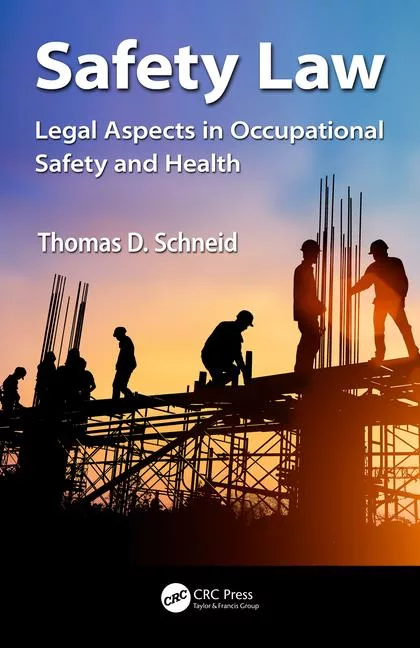
    Safety Law: Legal Aspects in Occupational Safety and Health

  • 9781138072824.jpg

    Accident/Incident Prevention Techniques, Second Edition

  • 9781482217148.jpg

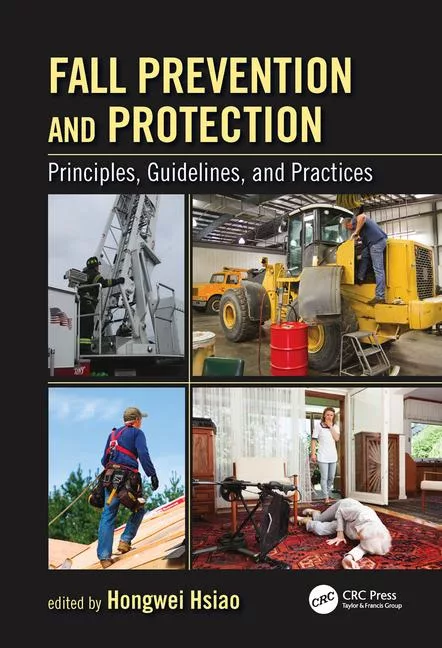
    Fall Prevention and Protection: Principles, Guidelines, and Practices

See More Products

Events

View AllSubmit An Event
  • September 22, 2016

    Bang! Damage from impulse noise and the effectiveness of hearing protection

    Some of the most hazardous sounds we hear are brief sounds – noises from impacts and impulses. These arise from sources like household tools, construction, industrial noise, firecrackers, guns, and even automotive airbags.
View AllSubmit An Event

Related Directories

  • Crisis Prevention Institute

    CPI equips organizations with training and resources on preventing and de-escalating difficult behavior.
×

Become a Leader in Safety Culture

Build your knowledge with ISHN, covering key safety, health and industrial hygiene news, products, and trends.

JOIN TODAY
  • RESOURCES
    • Advertise
    • Contact Us
    • Directories
    • Manufacturing Division
    • Store
    • Want More
  • SIGN UP TODAY
    • Create Account
    • eMagazine
    • Newsletters
    • Customer Service
    • Manage Preferences
  • SERVICES
    • Marketing Services
    • Reprints
    • Market Research
    • List Rental
    • Survey/Respondent Access
  • STAY CONNECTED
    • LinkedIn
    • Facebook
    • YouTube
    • X (Twitter)
  • PRIVACY
    • PRIVACY POLICY
    • TERMS & CONDITIONS
    • DO NOT SELL MY PERSONAL INFORMATION
    • PRIVACY REQUEST
    • ACCESSIBILITY

Copyright ©2026. All Rights Reserved BNP Media, Inc. and BNP Media II, LLC.

Design, CMS, Hosting & Web Development :: ePublishing