ISHN logo
search
cart
facebook twitter linkedin youtube
  • Sign In
  • Create Account
  • Sign Out
  • My Account
ISHN logo
  • NEWS
    • Today's News
    • Global Safety News
    • Government Regulations
  • PRODUCTS
    • Product Innovations
    • Featured Products
  • TOPICS
    • Environmental Health and Safety
    • Facility Safety
    • Workplace Health
    • Occupational Safety
    • PPE
    • More Topics
  • CONSTRUCTION
  • TECHNOLOGY
  • COLUMNS
    • Best Practices
    • Dave Johnson: What’s going on
    • Editorial Comments
    • Leading Safety
  • MULTIMEDIA
    • ISHN Podcast
    • Videos
    • Cold Stress Education Quiz
    • Webinars
    • White Papers
  • MORE
    • Buyer's Guide
    • Newsletters
    • Convention Companion
    • Polls
    • Events
    • ISHN Store
    • Sponsor Insights
  • EMAGAZINE
    • eMagazine
    • Archived Issues
    • Contact
    • Advertise
  • JOIN TODAY!
Today's Safety NewsEnvironmental Health and Safety

Women's long work hours linked to serious health risks

July 8, 2016

Women who put in long hours at work face a much higher risk of serious diseases, according to new research from the Ohio State University.

Scientists found that women whose work weeks averaged 60 hours or more over three decades had triple the risk of diabetes, cancer, heart trouble and arthritis. The risk begins to increase when the work week exceeds 40 hours, and jumps sharply above 50 hours.

"Women -- especially women who have to juggle multiple roles -- feel the effects of intensive work experiences and that can set the table for a variety of illnesses and disability," said Allard Dembe, professor of health services management and policy and lead author of the study, published online this week in the Journal of Occupational and Environmental Medicine.

"People don't think that much about how their early work experiences affect them down the road," he said. "Women in their 20s, 30s and 40s are setting themselves up for problems later in life."

Men who work long hours did not experience the same health risks, say the researchers, who analyzed data from interviews with almost 7,500 people who were part of the National Longitudinal Survey of Youth. Men who worked long hours had a higher incidence of arthritis, but none of the other chronic diseases. And those men who worked moderately long hours (41 to 50 hours weekly) had lower risk of heart disease, lung disease and depression than those who worked 40 hours or fewer.

Women’s work stress levels are augmented by family responsibilities.

Dembe said employers and government regulators should be aware of the risks to female employees, noting that healthier workers are more productive and generate fewer health care costs.

More scheduling flexibility and on-the-job health coaching, screening and support could go a long way toward reducing the chances employees become sick or die as a result of chronic conditions, he said.

The researchers analyzed the relationship between serious disease and hours worked over a 32-year period. Dembe and his collaborator, Mayo Clinic researcher and former Ohio State doctoral student Xiaoxi Yao, examined data for survey participants who were at least 40 in 1998, when interview questions began to include questions about health status and chronic conditions.

They averaged the self-reported hours worked each week over 32 years and compared the hours worked to the incidence of eight chronic diseases: heart disease, cancer (except skin cancer), arthritis or rheumatism, diabetes or high blood sugar, chronic lung disease including bronchitis or emphysema, asthma, depression and high blood pressure. They also examined the results by gender.

A minority of the full-time workers in the study put in 40 hours or fewer per week. Fifty-six percent worked an average of 41 to 50 hours; 13 percent worked an average of 51-60 hours; and 3 percent averaged more than 60 hours.

The results among female workers were striking, Dembe said. The analysis found a clear and strong relationship between long hours and heart disease, cancer, arthritis and diabetes.

Because the data addresses chronic diseases reported by age 40 or 50, this study speaks only to early-onset disease and doesn't shed light on the possible associations between long hours and lifetime risks, which could prove even more profound, Dembe said.

"The early onset and identification of chronic diseases may not only reduce individuals' life expectancy and quality of life, but also increase health care costs in the long term," Dembe and Yao wrote in the paper.

One limitation of the study is that it relies on average hours per week and doesn't provide answers about the differences between those who consistently worked long hours and those whose careers were full of long hours at first but who found themselves with more free time later on, the researchers said.

It also does not address the potential differences between mandatory overtime and discretionary overtime.

"It could make a difference," Dembe said. "You might still be working hard, but the fact that it's your choice might help you stay healthier."


Journal Reference:

Allard E. Dembe, Xiaoxi Yao. Chronic Disease Risks From Exposure to Long-Hour Work Schedules Over a 32-Year Period. Journal of Occupational and Environmental Medicine, 2016; 1 DOI:10.1097/JOM.0000000000000810

Source: Science Daily

KEYWORDS: cancer cardiovascular disease diabetes health research

Share This Story

Looking for a reprint of this article?
From high-res PDFs to custom plaques, order your copy today!

Recommended Content

JOIN TODAY
to unlock your recommendations.

Already have an account? Sign In

  • forklift safety

    Exploring the latest technologies in forklift safety

    With more staff and more stock in warehousing now more...
    Workplace Training Strategies
    By: Josh Cramer
  • welding

    All about welder’s flash or arc eye

    A flash burn is a painful inflammation of the cornea,...
    Environmental Health and Safety
  • dangerous jobs

    The 10 most dangerous jobs in the U.S.

    On-the-job deaths have been rising — hitting the highest...
    Transportation Safety
    By: Benita Mehta
Manage My Account
  • eMagazine Subscriptions
  • ISHN Newsletter & Other Newsletter Alerts
  • Online Registration
  • Manage My Preferences
  • Subscription Customer Service

More Videos

Sponsored Content

Sponsored Content is a special paid section where industry companies provide high quality, objective, non-commercial content around topics of interest to the ISHN audience. All Sponsored Content is supplied by the advertising company and any opinions expressed in this article are those of the author and not necessarily reflect the views of ISHN or its parent company, BNP Media. Interested in participating in our Sponsored Content section? Contact your local rep!

close
  • man wearing the the Sundström SR200 Full Face Mask Respirator
    Sponsored byOHD

    5 Fit Testing Mistakes That Could Cost You

  • This image shows Magid AcuSpex polarized blue mirrored safety glasses.
    Sponsored byMagid Glove and Safety

    Construction PPE Guide: What Crews Need for Each Task

  • lone worker in confined space
    Sponsored byAlphasense Ltd.

    GET THE LEAD OUT of your Safety Oxygen Sensors!

Popular Stories

SpaceX 7 launch

OSHA Investigating Fatal Fall at SpaceX Starbase

Worker Impairment

How to Tell When a Co-Worker is Impaired? A Safety Pro’s Challenge

Automated loading dock equipment

After March 2026 Rivian Death, Safety Managers Reassess Loading Dock Systems Under OSHA's Warehouse Emphasis Program

top 10 most dangerous jobs

Poll

Seasonal Readiness

With the federal heat stress prevention rule on the horizon, which area of your safety program needs the most attention?
View Results Poll Archive

Products

Surviving an OSHA Audit A Management Guide, 2nd Edition

Surviving an OSHA Audit A Management Guide, 2nd Edition

See More Products

ISHN Podcasts

Related Articles

  • Long work hours linked to higher cardiovascular disease risk

    See More
  • Long work hours at the office linked to high blood pressure

    See More
  • Training provides nurses with strategies for shift work and long work hours

    See More

Related Products

See More Products
  • 1118911040.jpg

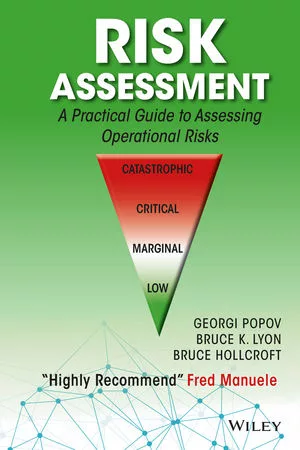
    Risk Assessment: A Practical Guide to Assessing Operational Risks

See More Products

Related Directories

  • Alliance of Women’s Safety Apparel Manufacturers (AWSAM)

    The Alliance of Women's Safety Apparel Manufacturers is a collection of specialty manufacturers and distributors committed to providing properly designed and fitted PPE for women. Our foundational pillars are Awareness, Access and Advocacy. Our non-profit organization has 12 Founding Members and aligns the needs of women in the workforce and the companies they work for with specialty manufacturers dedicated to providing appropriate PPE for women. The Founding Members of the organization have made great strides in removing barriers to access that have existed for many years and kept women from being equally protected. Together, we create a platform that increases awareness of products made for women, encourages equal access to appropriately fitting PPE, and advocates for the safety of women in the workforce. In the spirit of co-opetition, we collaborate to envision what is next for women in industry as we work side by side to accomplish our mission, increase our impact, and share the journey with everyone seeking to elevate diversity and equality in their workplace.
×

Become a Leader in Safety Culture

Build your knowledge with ISHN, covering key safety, health and industrial hygiene news, products, and trends.

JOIN TODAY
  • RESOURCES
    • Advertise
    • Contact Us
    • Directories
    • Manufacturing Division
    • Store
    • Want More
  • SIGN UP TODAY
    • Create Account
    • eMagazine
    • Newsletters
    • Customer Service
    • Manage Preferences
  • SERVICES
    • Marketing Services
    • Reprints
    • Market Research
    • List Rental
    • Survey/Respondent Access
  • STAY CONNECTED
    • LinkedIn
    • Facebook
    • YouTube
    • X (Twitter)
  • PRIVACY
    • PRIVACY POLICY
    • TERMS & CONDITIONS
    • DO NOT SELL MY PERSONAL INFORMATION
    • PRIVACY REQUEST
    • ACCESSIBILITY

Copyright ©2026. All Rights Reserved BNP Media, Inc. and BNP Media II, LLC.

Design, CMS, Hosting & Web Development :: ePublishing