ISHN logo
search
cart
facebook twitter linkedin youtube
  • Sign In
  • Create Account
  • Sign Out
  • My Account
ISHN logo
  • NEWS
    • Today's News
    • Global Safety News
    • Government Regulations
  • PRODUCTS
    • Product Innovations
    • Featured Products
  • TOPICS
    • Environmental Health and Safety
    • Facility Safety
    • Workplace Health
    • Occupational Safety
    • PPE
    • More Topics
  • CONSTRUCTION
  • TECHNOLOGY
  • COLUMNS
    • Best Practices
    • Dave Johnson: What’s going on
    • Editorial Comments
    • Leading Safety
  • MULTIMEDIA
    • ISHN Podcast
    • Videos
    • Cold Stress Education Quiz
    • Webinars
    • White Papers
  • MORE
    • Buyer's Guide
    • Newsletters
    • Convention Companion
    • Polls
    • Events
    • ISHN Store
    • Sponsor Insights
  • EMAGAZINE
    • eMagazine
    • Archived Issues
    • Contact
    • Advertise
  • JOIN TODAY!
Environmental Health and Safety

A NIOSH Science Blog post

Health-related Quality of Life

Variation across occupation groups

By Taylor Shockey MPH
August 1, 2017

Health-related quality of life (HRQOL) is an individual’s or group’s self-perception of their physical and mental health over time. HRQOL goes beyond the traditionally diagnosable health outcomes to provide a measure of well-being, it has become an important part of health surveillance. HRQOL is used outside of public health by fields such as psychology, social work, economics, and urban planning. HRQOL is used to determine disease burden, to monitor progress in achieving the Healthy People Goals, to guide policy and legislation, to develop interventions, and to allocate resources where they are most needed.

Earlier this month, the National Institute for Occupational Safety and Health (NIOSH) published an article in the American Journal of Public Health on HRQOL by occupation group among 17 states using data from the 2013 and 2014 Behavioral Risk Factor Surveillance System (BRFSS).

In this study, HRQOL is determined from the BRFSS “Healthy Days Measures” which are comprised of a set of four questions, three of which address health over the past 30 days (i.e., overtime):

  1. “Would you say that in general your health is excellent, very good, good, fair, or poor?”
  2. “Now thinking about your physical health, which includes physical illness and injury, how many days during the past 30 days was your physical health not good?”
  3. “Now thinking about your mental health, which includes stress, depression, and problems with emotions, how many days during the past 30 days was your mental health not good?”
  4. “During the past 30 days, approximately how many days did poor physical or mental health keep you from doing your usual activities, such as self-care, work, or recreation?”

An overall unhealthy days measure is calculated by summing responses to questions 2 and 3 (physical and mental unhealthy days) with a maximum of 30 days. Based on clinical guidelines, we separated the responses to questions 2, 3, 4 and the overall unhealthy days measure into two categories: 14 days or more and 13 days or less: If the respondent falls into the category of 14 days or more than they are characterized as having frequent physical distress, mental distress, activity limitation, and unhealthy days. The study used the 14 day cut point and also separated question 1 (self-rated health) into two categories: “excellent/very good/good” and “fair/poor”.

In terms of adjusted prevalence, the study found variabilities in HRQOL exist among workers from different occupation groups. Among the 22 occupation groups, the arts, design, entertainment, sports, and media occupation group most commonly reported the negative HRQOL measures of frequent physical distress, frequent mental distress, frequent activity limitation, and frequent overall unhealthy days. Both the personal care and service occupation group and the community and social services occupation group were among the top 3 in most commonly reporting 3 of the 5 negative HRQOL measures. Farming, fishing, and forestry was the least likely of the 22 occupation groups to report negative HRQOL for all 5 measures.

This study suggests that workers’ jobs are associated with their HRQOL. Further research is needed to understand how work exposures or characteristics influence HRQOL and what work exposures or characteristics have the largest impact on HRQOL. We would like to hear from you. What problems do you think are raised by the study’s results? How do you think these problems could be addressed? Please share your thoughts in the comment section below.

Additional Resources for Employers and Employees

  • CDC maintains a list of publications on the topic of HRQOL.
  • The NIOSH Total Worker Health program published an article examining the economic reasons for supporting HRQOL.
  • NIOSH has published a booklet entitled “Stress…at Work” which discusses the causes of stress at work as well as offering methods for preventing or reducing job stress.
  • NIOSH leads an initiative known as Prevention through Design (PTD)  which seeks, “…to prevent or reduce occupational injuries, illnesses, and fatalities through the inclusion of prevention considerations in all designs that impact workers.”
  • Additionally, NIOSH offers resources tailored to certain occupations, such as outdoor workers and healthcare workers, which describe the types of hazards specific to their jobs.
  • For more information on the Healthy Days measures, visit https://www.cdc.gov/hrqol/methods.htm

Click here to visit the NIOSH Science Blog post.

KEYWORDS: EHS professionals mental health safety professionals stress

Share This Story

Looking for a reprint of this article?
From high-res PDFs to custom plaques, order your copy today!

Taylor Shockey, MPH, is a Title 42 Fellow in the NIOSH Division of Surveillance, Hazard Evaluations and Field Studies.

Recommended Content

JOIN TODAY
to unlock your recommendations.

Already have an account? Sign In

  • forklift safety

    Exploring the latest technologies in forklift safety

    With more staff and more stock in warehousing now more...
    Facility Safety
    By: Josh Cramer
  • welding

    All about welder’s flash or arc eye

    A flash burn is a painful inflammation of the cornea,...
    Environmental Health and Safety
  • dangerous jobs

    The 10 most dangerous jobs in the U.S.

    On-the-job deaths have been rising — hitting the highest...
    Occupational Safety
    By: Benita Mehta
Manage My Account
  • eMagazine Subscriptions
  • ISHN Newsletter & Other Newsletter Alerts
  • Online Registration
  • Manage My Preferences
  • Subscription Customer Service

More Videos

Sponsored Content

Sponsored Content is a special paid section where industry companies provide high quality, objective, non-commercial content around topics of interest to the ISHN audience. All Sponsored Content is supplied by the advertising company and any opinions expressed in this article are those of the author and not necessarily reflect the views of ISHN or its parent company, BNP Media. Interested in participating in our Sponsored Content section? Contact your local rep!

close
  • man wearing the the Sundström SR200 Full Face Mask Respirator
    Sponsored byOHD

    5 Fit Testing Mistakes That Could Cost You

  • This image shows Magid AcuSpex polarized blue mirrored safety glasses.
    Sponsored byMagid Glove and Safety

    Construction PPE Guide: What Crews Need for Each Task

  • lone worker in confined space
    Sponsored byAlphasense Ltd.

    GET THE LEAD OUT of your Safety Oxygen Sensors!

Popular Stories

SpaceX 7 launch

OSHA Investigating Fatal Fall at SpaceX Starbase

Worker Impairment

How to Tell When a Co-Worker is Impaired? A Safety Pro’s Challenge

Automated loading dock equipment

After March 2026 Rivian Death, Safety Managers Reassess Loading Dock Systems Under OSHA's Warehouse Emphasis Program

top 10 most dangerous jobs

Poll

Seasonal Readiness

With the federal heat stress prevention rule on the horizon, which area of your safety program needs the most attention?
View Results Poll Archive

Products

Surviving an OSHA Audit A Management Guide, 2nd Edition

Surviving an OSHA Audit A Management Guide, 2nd Edition

See More Products

ISHN Podcasts

Related Articles

  • Hearing loss can affect mental health

    Hearing loss can affect mental health & quality of life

    See More
  • Workplace weight management lowers costs, improves quality of life

    See More
  • Hearing loss is devastating to quality of life

    See More

Related Products

See More Products
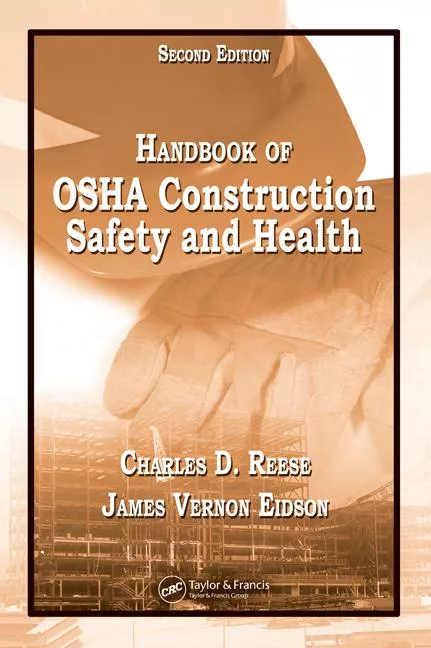
  • 9780849365461.jpg

    Handbook of OSHA Construction Safety and Health, Second Edition

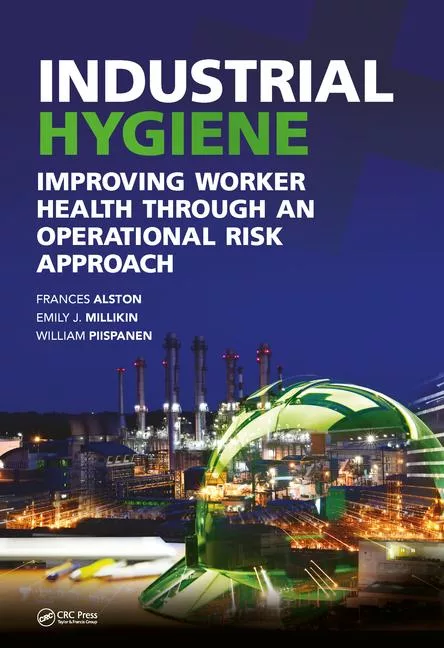
  • industrial hy.jpg

    Industrial Hygiene: Improving Worker Health through an Operational Risk Approach

See More Products

Related Directories

  • Mystic Air Quality Consultants Inc.

    Certified safety and health consulting, gas free testing, respirator fit testing, indoor air quality and mold surveys and asbestos training classes.
×

Become a Leader in Safety Culture

Build your knowledge with ISHN, covering key safety, health and industrial hygiene news, products, and trends.

JOIN TODAY
  • RESOURCES
    • Advertise
    • Contact Us
    • Directories
    • Manufacturing Division
    • Store
    • Want More
  • SIGN UP TODAY
    • Create Account
    • eMagazine
    • Newsletters
    • Customer Service
    • Manage Preferences
  • SERVICES
    • Marketing Services
    • Reprints
    • Market Research
    • List Rental
    • Survey/Respondent Access
  • STAY CONNECTED
    • LinkedIn
    • Facebook
    • YouTube
    • X (Twitter)
  • PRIVACY
    • PRIVACY POLICY
    • TERMS & CONDITIONS
    • DO NOT SELL MY PERSONAL INFORMATION
    • PRIVACY REQUEST
    • ACCESSIBILITY

Copyright ©2026. All Rights Reserved BNP Media, Inc. and BNP Media II, LLC.

Design, CMS, Hosting & Web Development :: ePublishing