Combat workplace fatigue with technology and management skills
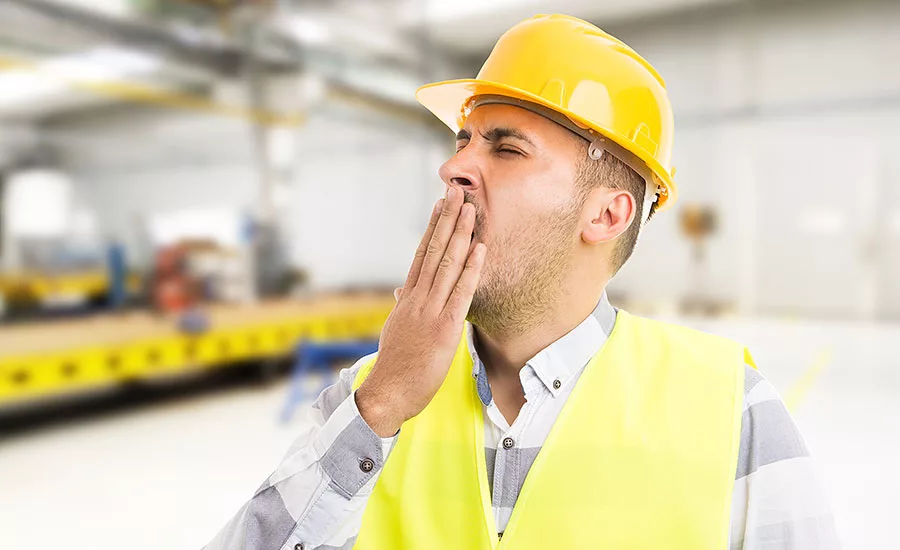
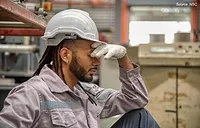
No matter what hustle culture might try to teach us, people are not machines. They get tired when overworked, and fatigue can create a safety hazard. This is especially true in industrial settings, where the presence of heavy machinery and other potential workplace hazards make alertness more critical for employees.
Fatigue is a problem that can’t be solved with technological innovation alone. Industrial managers will always be responsible for creating a safety culture and setting workplace standards that emphasize human needs.
However, human efforts at good management can work together with technology to combat fatigue in the workplace. Read on to learn more about strategies for a comprehensive fatigue management plan.
Risks of fatigue in the workplace
Working to the point of exhaustion has long been a staple of unhealthy work cultures. Japan has even coined a word for the most extreme cases, karoshi, which translates to “death from overwork.” Unfortunately, the phenomenon is not just linguistic — the World Health Organization found that in 2016 alone, more than 745,000 people died from overwork.
Fatigue doesn’t just put you at risk of falling asleep on the job. It interferes with reaction times, concentration and memory, increasing the risk of work accidents. This is especially risky for heavy equipment operators and other positions critical to industrial workplaces.
Working or driving after being awake for 18 hours impacts your reaction times, just like having a 0.05% blood alcohol level. Staying awake for 24 hours mimics a 0.10 blood alcohol level — which would put you above the legal limit in every state in the U.S. People should never be allowed to operate heavy machinery under these circumstances.
Human efforts
The first line of defense regarding reducing the impact of fatigue in the workplace comes from management. It’s not always possible to determine if someone is tired, at least not by casually observing them, but we can take steps to ensure people are getting as much rest as they need.
Start by creating a culture that promotes and focuses on sleep health. Don’t push people to sacrifice sleep for their jobs. Discourage them from taking work home with them, such as checking emails after hours. Good managers can set this standard themselves by being clear about boundaries and reducing expectations to respond to all-hours communications.
Of course, night shifts and overtime are often essential to plant operations. Managers can help make these schedules sustainable for workers. For instance, avoiding seesaw scheduling that has workers switching between day and night shifts without an adjustment period is crucial to sleep health. Creating rules around working successive shifts with extended hours is also a good management practice to curb overwork.
The physical environment of the workplace can also help affect workers’ routines for the better. While industrial settings and warehouses are often considered dark and environmentally-controlled, letting in more daylight or cueing indoor lighting to follow circadian rhythms can help manage alertness.
One study found that individuals who worked with daylight exposure slept an average of 46 more minutes per night. While you may not be able to add more windows, you can invite employees on outdoor breaks or lunches to encourage more light exposure.
Finally, opening up lines of communication around fatigue can help workers make good decisions about sleep and wellbeing. Offering operator training that focuses on the importance of sleep health can make an enormous difference and make it easier to create a corporate culture that promotes wellness.
Technology efforts
While strong management and sleep health requires human involvement, there are also ways technology can help with fatigue awareness and mitigation in industrial settings. Using these tools to inform human approaches can help site managers create an all-around safer workplace.
First, wearable technology is emerging to detect when the wearer is fatigued, even if they don’t appear outwardly tired. One study used wrist, hip and ankle sensors to monitor an employee’s activities throughout the day and build a baseline. An algorithm can determine when an individual is fatigued based on changes in their activity levels.
Modern fatigue sensors won’t need so many data collection points and are already making a difference in several industries. Wireless sensors in a hard hat can track fatigue levels using the inertial measurement unit (IMU) and EEG sensors built right into it. These sensors can more accurately determine if the wearer demonstrates signs of fatigue that could be dangerous, especially on a construction site or when working with heavy equipment.
Beyond sensors, researchers at Texas A&M University are looking into transcranial direct current stimulation (tDCS) to keep critical workers safe on the job. ER doctors, firefighters and many others could put themselves or others at risk by being fatigued on the job. However, they also tend to work long hours and irregular shifts, making sleep health difficult.
tDCS uses weak electrical currents to stimulate the brain and keep users awake and alert. It’s a noninvasive treatment and could even fall under the category of wearable technology. While this is no replacement for good sleep health, it could help bridge the gap for first responders who may find themselves working for days on end during an emergency.
Technology informs human approaches
There is no replacement for a good night’s sleep, but that isn’t always possible. Stress, irregular schedules, overnight shifts and a host of other variables can negatively impact the length and quality of shuteye. The problem occurs when a lack of good sleep becomes dangerous, putting people at risk.
There is also no perfect solution to prevent fatigue from creating problems in the workplace. If you’re concerned that your employees are working themselves too hard, take a step back and start by creating a culture that promotes healthy sleep habits. Industries that use a lot of heavy equipment may especially find it beneficial to prevent fatigue-related accidents in the workplace.
Combining sensible guidelines addressing the importance of sleep with the latest technological innovations can help keep workers safe on the job.
Looking for a reprint of this article?
From high-res PDFs to custom plaques, order your copy today!