ISHN logo
search
cart
facebook twitter linkedin youtube
  • Sign In
  • Create Account
  • Sign Out
  • My Account
ISHN logo
  • NEWS
    • Today's News
    • Global Safety News
    • Government Regulations
  • PRODUCTS
    • Product Innovations
    • Featured Products
  • TOPICS
    • Environmental Health and Safety
    • Facility Safety
    • Workplace Health
    • Occupational Safety
    • PPE
    • More Topics
  • CONSTRUCTION
  • TECHNOLOGY
  • COLUMNS
    • Best Practices
    • Dave Johnson: What’s going on
    • Editorial Comments
    • Leading Safety
  • MULTIMEDIA
    • ISHN Podcast
    • Videos
    • Cold Stress Education Quiz
    • Webinars
    • White Papers
  • MORE
    • Buyer's Guide
    • Newsletters
    • Convention Companion
    • Polls
    • Events
    • ISHN Store
    • Sponsor Insights
  • EMAGAZINE
    • eMagazine
    • Archived Issues
    • Contact
    • Advertise
  • JOIN TODAY!
Today's Safety News

MSHA final rule aimed at mine rescue team effectiveness (2/8)

February 8, 2008

The Mine Safety and Health Administration (MSHA) today published a final rule that revises existing standards for mine rescue teams for underground coal mines. The regulation more than doubles training requirements and aims at improving mine emergency response, the agency says.

This final rule implements Section 4 of the Mine Improvement and New Emergency Response (MINER) Act of 2006 to improve overall mine rescue capability, mine emergency response time and mine rescue team effectiveness. It also calls for increased quantity and quality of mine rescue team training.

Among the requirements of the mine rescue teams rule are:
  • Requires a person knowledgeable in mine emergency response be present at each mine on each shift and receive annual emergency response training using an MSHA-prescribed course.
  • Requires two certified mine rescue teams for each mine and includes criteria for certifying the qualifications of a mine rescue team.
  • Requires mine rescue team members be available at the mine within one hour from the mine rescue station.
  • Requires team members to participate in training at each mine serviced by the team (a portion of which must be conducted underground), and be familiar with the operations and ventilation of the mine.
  • Requires team members to participate annually in two local mine rescue contests.
  • Provides for four types of mine rescue teams: mine-site, composite, contract and state-sponsored.
  • Requires annual training in smoke, simulated smoke or an equivalent environment.
  • Increases required training from 40 to 96 hours annually.
The rule (http://www.msha.gov/REGS/FEDREG/FINAL/2008finl/08-551.pdf) also sets a series of compliance deadlines for mine operators.

"This regulation will help ensure that no matter where or when a mine accident occurs, dedicated men and women will be readily available and properly trained to assist in the rescue of their comrades underground," said Richard E. Stickler, acting assistant secretary of labor for mine safety and health.

Share This Story

Looking for a reprint of this article?
From high-res PDFs to custom plaques, order your copy today!

Recommended Content

JOIN TODAY
to unlock your recommendations.

Already have an account? Sign In

  • forklift safety

    Exploring the latest technologies in forklift safety

    With more staff and more stock in warehousing now more...
    Workplace Training Strategies
    By: Josh Cramer
  • welding

    All about welder’s flash or arc eye

    A flash burn is a painful inflammation of the cornea,...
    Environmental Health and Safety
  • dangerous jobs

    The 10 most dangerous jobs in the U.S.

    On-the-job deaths have been rising — hitting the highest...
    Transportation Safety
    By: Benita Mehta
Manage My Account
  • eMagazine Subscriptions
  • ISHN Newsletter & Other Newsletter Alerts
  • Online Registration
  • Manage My Preferences
  • Subscription Customer Service

More Videos

Sponsored Content

Sponsored Content is a special paid section where industry companies provide high quality, objective, non-commercial content around topics of interest to the ISHN audience. All Sponsored Content is supplied by the advertising company and any opinions expressed in this article are those of the author and not necessarily reflect the views of ISHN or its parent company, BNP Media. Interested in participating in our Sponsored Content section? Contact your local rep!

close
  • man wearing the the Sundström SR200 Full Face Mask Respirator
    Sponsored byOHD

    5 Fit Testing Mistakes That Could Cost You

  • This image shows Magid AcuSpex polarized blue mirrored safety glasses.
    Sponsored byMagid Glove and Safety

    Construction PPE Guide: What Crews Need for Each Task

  • lone worker in confined space
    Sponsored byAlphasense Ltd.

    GET THE LEAD OUT of your Safety Oxygen Sensors!

Popular Stories

SpaceX 7 launch

OSHA Investigating Fatal Fall at SpaceX Starbase

Worker Impairment

How to Tell When a Co-Worker is Impaired? A Safety Pro’s Challenge

Automated loading dock equipment

After March 2026 Rivian Death, Safety Managers Reassess Loading Dock Systems Under OSHA's Warehouse Emphasis Program

top 10 most dangerous jobs

Poll

Seasonal Readiness

With the federal heat stress prevention rule on the horizon, which area of your safety program needs the most attention?
View Results Poll Archive

Products

Surviving an OSHA Audit A Management Guide, 2nd Edition

Surviving an OSHA Audit A Management Guide, 2nd Edition

See More Products

ISHN Podcasts

Related Articles

  • MSHA publishes final rule for underground coal mine rescue teams (6/18)

    See More
  • MSHA issues final rule reducing miners’ exposure to respirable coal dust

    See More
  • MSHA publishes final rule on examinations in underground coal mines

    See More

Related Products

See More Products
  • 047007485Xvol2.jpg

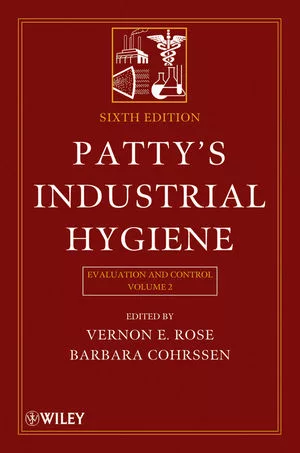
    Patty's Industrial Hygiene, Volume 2, Evaluation and Control , 6th Edition

  • 1119772133.jpg

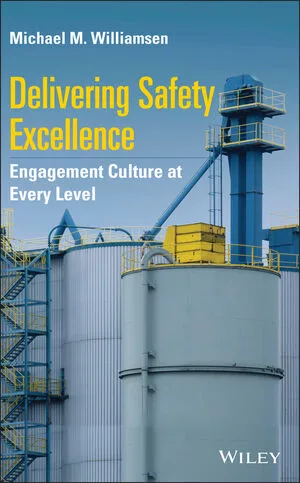
    Delivering Safety Excellence: Engagement Culture at Every Level

See More Products

Events

View AllSubmit An Event
  • September 22, 2016

    Bang! Damage from impulse noise and the effectiveness of hearing protection

    Some of the most hazardous sounds we hear are brief sounds – noises from impacts and impulses. These arise from sources like household tools, construction, industrial noise, firecrackers, guns, and even automotive airbags.
  • December 16, 2016

    ASSE to host virtual symposium on new OSHA Walking-Working Standard

    The American Society of Safety Engineers is offering a virtual symposium to help occupational safety and health professionals better understand the sweeping changes OSHA recently made to its final rule on Walking-Working Surfaces and Personal Fall Protection standards in relation to slip, trip and fall hazards.
View AllSubmit An Event

Related Directories

  • RescueStat

    RescueStat delivers AED remote monitoring, program management, and virtual CPR/AED training to keep your organization prepared and protected. Our mission is to save lives and empower teams to respond effectively to Sudden Cardiac Arrest emergencies.
×

Become a Leader in Safety Culture

Build your knowledge with ISHN, covering key safety, health and industrial hygiene news, products, and trends.

JOIN TODAY
  • RESOURCES
    • Advertise
    • Contact Us
    • Directories
    • Manufacturing Division
    • Store
    • Want More
  • SIGN UP TODAY
    • Create Account
    • eMagazine
    • Newsletters
    • Customer Service
    • Manage Preferences
  • SERVICES
    • Marketing Services
    • Reprints
    • Market Research
    • List Rental
    • Survey/Respondent Access
  • STAY CONNECTED
    • LinkedIn
    • Facebook
    • YouTube
    • X (Twitter)
  • PRIVACY
    • PRIVACY POLICY
    • TERMS & CONDITIONS
    • DO NOT SELL MY PERSONAL INFORMATION
    • PRIVACY REQUEST
    • ACCESSIBILITY

Copyright ©2026. All Rights Reserved BNP Media, Inc. and BNP Media II, LLC.

Design, CMS, Hosting & Web Development :: ePublishing