ISHN logo
search
cart
facebook twitter linkedin youtube
  • Sign In
  • Create Account
  • Sign Out
  • My Account
ISHN logo
  • NEWS
    • Today's News
    • Global Safety News
    • Government Regulations
  • PRODUCTS
    • Product Innovations
    • Featured Products
  • TOPICS
    • Environmental Health and Safety
    • Facility Safety
    • Workplace Health
    • Occupational Safety
    • PPE
    • More Topics
  • CONSTRUCTION
  • TECHNOLOGY
  • COLUMNS
    • Best Practices
    • Dave Johnson: What’s going on
    • Editorial Comments
    • Leading Safety
  • MULTIMEDIA
    • ISHN Podcast
    • Videos
    • Cold Stress Education Quiz
    • Webinars
    • White Papers
  • MORE
    • Buyer's Guide
    • Newsletters
    • Convention Companion
    • Polls
    • Events
    • ISHN Store
    • Sponsor Insights
  • EMAGAZINE
    • eMagazine
    • Archived Issues
    • Contact
    • Advertise
  • JOIN TODAY!
Today's Safety NewsTransportation Safety

DOT’s “connected technology” program gathers momentum
May 24, 2012

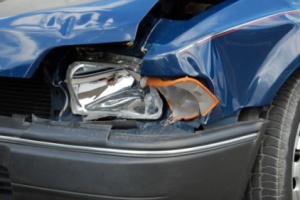
car accidentAn overwhelming majority of drivers who have experienced technology that allows vehicles to communicate with each other have a highly favorable opinion of its safety benefits, according to data released recently by the U.S. Department of Transportation (DOT).

The National Highway Traffic Safety Administration (NHTSA) and the Research and Innovation Technology Administration (RITA) have been working with the auto industry, state and federal partners to research the effectiveness and feasibility of connected vehicle technology that enables vehicles to "talk" to one another with Wi-Fi-like technology that could help prevent crashes altogether.

The DOT  conducted a half dozen optimistically named "driver acceptance clinics" across the country  to gather feedback, allowing 688 drivers to participated in tests of "vehicle-to-vehicle" communications. The results? Four out of five participants -- or 82 percent -- strongly agreed that they would like to have vehicle-to-vehicle safety features on their personal vehicle. More than 90 percent of the participants believed that a number of specific features of the connected vehicle technology would improve driving in the real world, including features alerting drivers about cars approaching an intersection, warning of possible forward collisions, and notifying drivers of cars changing lanes or moving into the driver's blind spot.

Transportation Secretary Ray LaHood said; "Connected vehicle technology offers tremendous promise – for improving safety, reducing traffic jams and increasing fuel efficiency.”

The two agencies will launch the yearlong second phase of the Connected Vehicle program this summer, during which approximately 3,000 equipped vehicles will test crash-avoidance technologies that include in-vehicle forward-collision warnings, "do not pass" alerts, and warnings that a vehicle ahead has stopped suddenly. The program will take place on roads in Ann Arbor, Mich., and will also involve a limited number of applications allowing vehicles to communicate with the roadway.

Eight major automotive manufacturers are working closely with the Department on this research through partnering agreements: Ford Motor Company, General Motors LLC., Honda R&D Americas, Inc., Hyundai-Kia America Technical Center, Inc., Mercedes-Benz Research and Development North America, Inc., Nissan Technical Center North America, Toyota Motor Engineering & Manufacturing North America, Inc. and Volkswagen Group of America, Inc.

The information collected from the Safety Pilot program will be used by NHTSA to determine by 2013 whether to proceed with additional vehicle-to-vehicle communication activities, including possible future rulemakings.

>> To view NHTSA's Driver Acceptance Clinics feedback results, click here.

>> For more information on DOT's connected vehicle research, click here.

KEYWORDS: nhtsa research safety technology

Share This Story

Looking for a reprint of this article?
From high-res PDFs to custom plaques, order your copy today!

Recommended Content

JOIN TODAY
to unlock your recommendations.

Already have an account? Sign In

  • forklift safety

    Exploring the latest technologies in forklift safety

    With more staff and more stock in warehousing now more...
    Workplace Training Strategies
    By: Josh Cramer
  • welding

    All about welder’s flash or arc eye

    A flash burn is a painful inflammation of the cornea,...
    Environmental Health and Safety
  • dangerous jobs

    The 10 most dangerous jobs in the U.S.

    On-the-job deaths have been rising — hitting the highest...
    Government Safety Regulations
    By: Benita Mehta
Manage My Account
  • eMagazine Subscriptions
  • ISHN Newsletter & Other Newsletter Alerts
  • Online Registration
  • Manage My Preferences
  • Subscription Customer Service

More Videos

Sponsored Content

Sponsored Content is a special paid section where industry companies provide high quality, objective, non-commercial content around topics of interest to the ISHN audience. All Sponsored Content is supplied by the advertising company and any opinions expressed in this article are those of the author and not necessarily reflect the views of ISHN or its parent company, BNP Media. Interested in participating in our Sponsored Content section? Contact your local rep!

close
  • man wearing the the Sundström SR200 Full Face Mask Respirator
    Sponsored byOHD

    5 Fit Testing Mistakes That Could Cost You

  • This image shows Magid AcuSpex polarized blue mirrored safety glasses.
    Sponsored byMagid Glove and Safety

    Construction PPE Guide: What Crews Need for Each Task

  • lone worker in confined space
    Sponsored byAlphasense Ltd.

    GET THE LEAD OUT of your Safety Oxygen Sensors!

Popular Stories

SpaceX 7 launch

OSHA Investigating Fatal Fall at SpaceX Starbase

Automated loading dock equipment

After March 2026 Rivian Death, Safety Managers Reassess Loading Dock Systems Under OSHA's Warehouse Emphasis Program

psychology in the workplace

Most Workplaces Measure Psychological Safety, Ignoring Psychosocial Risks

top 10 most dangerous jobs

Poll

Seasonal Readiness

With the federal heat stress prevention rule on the horizon, which area of your safety program needs the most attention?
View Results Poll Archive

Products

Surviving an OSHA Audit A Management Guide, 2nd Edition

Surviving an OSHA Audit A Management Guide, 2nd Edition

See More Products

ISHN Podcasts

Related Articles

  • California's confined space safety program gathers steam

    See More
  • mobile technology keeping employees connected

    Connected technology is a game-changer

    See More
  • Connected worker technology can boost your gas detector safety program

    See More
×

Become a Leader in Safety Culture

Build your knowledge with ISHN, covering key safety, health and industrial hygiene news, products, and trends.

JOIN TODAY
  • RESOURCES
    • Advertise
    • Contact Us
    • Directories
    • Manufacturing Division
    • Store
    • Want More
  • SIGN UP TODAY
    • Create Account
    • eMagazine
    • Newsletters
    • Customer Service
    • Manage Preferences
  • SERVICES
    • Marketing Services
    • Reprints
    • Market Research
    • List Rental
    • Survey/Respondent Access
  • STAY CONNECTED
    • LinkedIn
    • Facebook
    • YouTube
    • X (Twitter)
  • PRIVACY
    • PRIVACY POLICY
    • TERMS & CONDITIONS
    • DO NOT SELL MY PERSONAL INFORMATION
    • PRIVACY REQUEST
    • ACCESSIBILITY

Copyright ©2026. All Rights Reserved BNP Media, Inc. and BNP Media II, LLC.

Design, CMS, Hosting & Web Development :: ePublishing