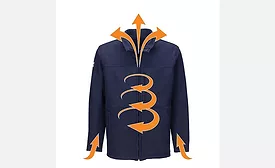
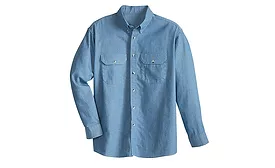
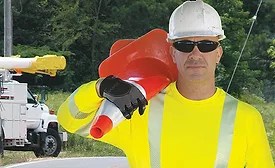
FR apparel today is more stylish, functional and performance-driven. Workers transition from work to date night, working out, doing chores around the house in their FR clothing and they want to look good. They also demand performance.
Private sector companies could take a few lessons from the U.S. Navy when it comes to implementing and managing their flame resistant (FR) clothing programs. Earlier this year, the Navy announced a new piece of FR apparel for sailors stationed aboard ships and submarines.
OSHA considers garments to be PPE, according to OSHA Regulation 29 CFR, 1926.95(a). Additionally, a letter from the Director of the OSHA Directorate of Construction details regulations in which employers must comply with laundering standards.
In the past few decades, there have been high-profile combustible dust incidents with substantial injuries and mortalities, leading OSHA to reissue the National Emphasis Program (NEP) in March 2008.
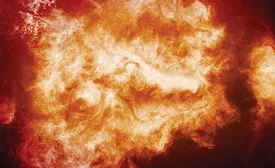
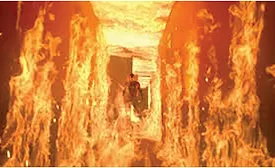
Other than high voltage shock, an arc flash and blast event is one of the most horrific electrical accidents a person can experience. When an arc flash occurs, temperatures in arc plasma can reach up to 10,000˚F.
If your workers face short-term thermal exposure from fire, you should research the 2018 edition of the National Fire Protection Association (NFPA®) 2112 standard.
NFPA 70E responds to the latest information about the effects of arc flash, arc blast, and direct current (dc) hazards, and recent developments in electrical design and PPE. It provides vital information that helps you comply with OSHA 1910 Subpart S and OSHA 1926 Subpart K.
In the best-case scenario, normalization of deviance goes against recommended work practices, but when it comes to safety, this common human tendency can have devastating consequences.
According to Frost and Sullivan’s North American Industrial Protective Clothing Market Forecast to 2020, apparel with multiple protective functionalities is becoming increasingly popular.